










You’d work hard to rank on page one, only for Google to answer the query directly in a featured snippet. Users got their answers instantly—without ever clicking through to your site.
Fast forward to today, and things look very different. Google, Bing, and AI tools like ChatGPT, Perplexity, and Gemini now serve AI-generated summaries—not just a snippet, but multi-paragraph syntheses of information.
So here’s the million-dollar question:
Is zero click search finally dead—or has it been reinvented in an AI form?
And more importantly—what should businesses do about it?
The Old Era: What Zero Click Search Meant?
Before AI, zero click search was mostly about:
- Featured snippets (answer boxes at the top of results)
- Knowledge panels (entity info on the right-hand side)
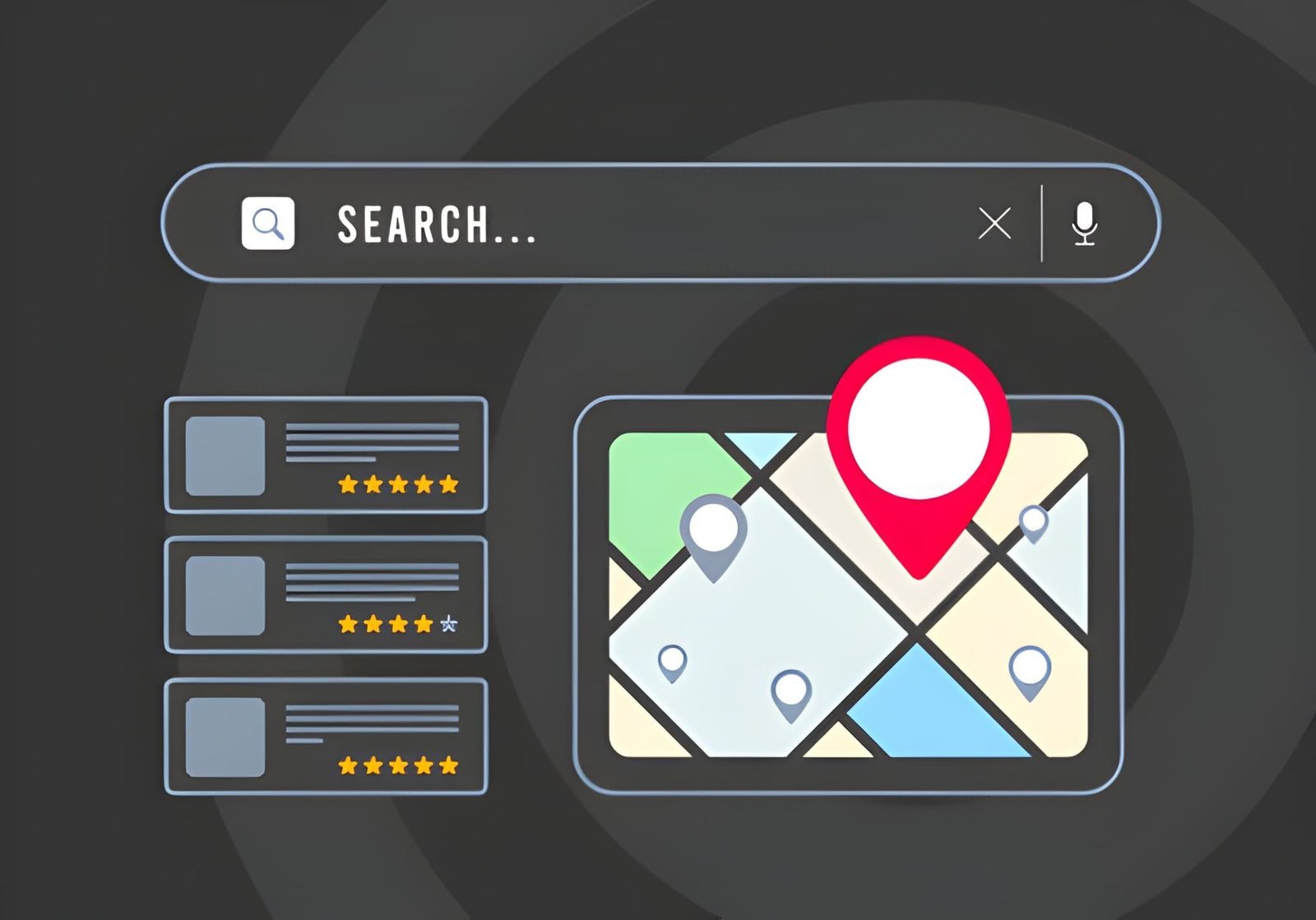
- Local packs (maps showing businesses, addresses, hours)
- Quick answers (time zones, currency conversions, weather)
These features gave users instant answers—great for them, but frustrating for publishers.
Impact:
1. Click-through rates dropped.
2. Brands had to decide whether being seen in snippets was enough—even without the traffic.
Enter AI Summaries: The New Zero Click?
Now, we’ve leveled up. Instead of a short answer, users are getting:
- Multi-paragraph explanations
- Product/service comparisons
- Contextual insights
- Selective citations
This is Zero Click 2.0—richer, more conversational, and often more satisfying than traditional snippets.
The real shift:
You’re not just losing clicks—you might lose control of your brand narrative if your content isn’t part of these AI summaries.
Why Are AI Summaries Stickier Than Snippets?
Here’s why this new era matters more than ever:
- Higher information density: AI gives not one fact but a full synthesis.
- Reduced incentive to click: Users feel “done” after reading the summary.
- Greater trust factor: AI’s neutral tone hides brand identity.
- Content aggregation: Multiple sources blended = diluted brand voice.
It’s not just about lost traffic anymore—it’s about lost context.
Who Wins in the AI Summary Era?
AI-generated summaries favor:
1. Clear, factual, structured content (FAQs, definitions, how-to guides)
2. Authoritative entities (Wikipedia, .gov, academic sites)
3. Schema markup (FAQ, How-To, Article)
4. Fresh and updated resources
Takeaway: Brands optimizing for clarity and machine-readability will get cited. Others may vanish.
The Paradox: Why Zero-Click Visibility Still Matters
Even if AI summaries reduce clicks, being included still builds brand authority.
Example:
“According to Mayo Clinic, the best treatments for migraines include…”
Even without a click, Mayo Clinic gains trust and recognition.
Traffic may dip, but brand recall and credibility rise.
That’s the reinvention of zero click search.
How to Navigate the AI Summary Era (and Not Get Erased)?
Here’s your AI visibility playbook
a. Write for Entities, Not Just Keywords
Focus on clarity and relationships between entities.
Example:
“Vitamin D deficiency can cause fatigue, weakened bones, and immune system issues.
The recommended daily intake is 600 IU for adults.”
AI recognizes such factual, connected content.
b. Embrace Structured Data
Use schema markup to signal content meaning:
- FAQ Schema
- How-To Schema
- Product Schema
Helps AI understand context and improves inclusion odds.
c. Keep Content Skimmable
AI favors content that’s easy to parse:
- Use H2/H3 subheadings
- Include lists and bullets
- Write short, declarative sentences
Think “Wikipedia style”—but branded.
d. Refresh Regularly
AI tools prioritize fresh, updated data. Update stats, examples, and publication dates often.
e. Build Author Authority
Show expertise and credibility:
- Add an “About the Author” section
- Link to credentials and sources
- Cite authoritative references
f. Optimize FAQs and Glossaries
Mirror user intent directly.
If someone asks, “What are the symptoms of dehydration?” and your FAQ answers exactly that—you’re in.
The Role of Citations: Platform Differences
Each AI platform treats sources differently:
| Platform | Citation Style | Notes |
| Google AI Overviews | Selective | Prefers high-authority domains |
| Perplexity | Generous | Links heavily to multiple sources |
| ChatGPT (w/ browsing) | Moderate | Dependent on freshness and access |
| Gemini | Similar to Google | Prioritizes trusted domains |
Pro Tip: Optimize for multiple ecosystems, not just Google.
Metrics: Redefining Success in the Zero-Click World
Forget traditional traffic metrics—focus on AI visibility KPIs:
- Citation frequency: How often AI includes your brand
- Brand mentions: Even without clicks
- Engagement on cited pages: Longer dwell times
- Authority signals: Backlinks, mentions, PR from AI exposure
The smartest brands will measure visibility and reputation, not just visits.
Zero-Click Isn’t Dead—It’s Reinvented
Zero click search hasn’t disappeared—it’s evolved.
| Era | Type | Description |
| Old Zero-Click | Snippets & Panels | One-line answers |
| New Zero-Click | AI Summaries | Conversational, contextual synthesis |
Now, inclusion equals co-authorship in AI-generated content.
If you’re not cited—you’re invisible.
Conclusion: Don’t Fear the Summary—Feed It
The takeaway is simple:
Don’t fight AI summaries. Train them.
Brands that win will:
- Treat AI as both a search engine and an audience
- Format content for humans and machines
- Focus on long-term authority, not just clicks
Your goal?
To become the trusted source AI tools quote again and again.
Frequently Asked Questions (FAQs)
1. What is zero click search?
A zero click search is when users find the answer to their query directly on a search results page or AI summary—without clicking through to a website.
2. Why are AI summaries considered “Zero-Click 2.0”?
Because they provide complete, multi-paragraph answers, reducing the need for users to visit any website at all.
3. Can I still benefit if users don’t click my site?
Yes. Being cited in AI summaries builds trust, brand recall, and authority, even without direct traffic.
4. How can I get cited in AI summaries?
Focus on structured, factual content with schema markup, clarity, and authoritative references. Keep your information fresh.
5. Which platforms currently use AI summaries?
Google (AI Overviews), Bing Copilot, Perplexity AI, ChatGPT (with browsing), and Gemini are leading the shift.
6. Should I still invest in SEO?
Absolutely. SEO now includes AI optimization—the foundation remains the same: clarity, authority, and quality content.