










For years, traffic tracking followed a simple rule. If rankings improved, clicks followed. If clicks dropped, something went wrong. That relationship no longer holds. Google AI Overview Traffic Tracking has changed how performance is measured, because visibility now happens before the click — and sometimes without it entirely.
Since AI-generated summaries have began appearing at the top of the search results , many sites have noticed a strange pattern. Impressions rise. Average position looks stable. Clicks fall. Nothing appears broken, yet performance feels different.
This is not a reporting bug. It is a measurement problem.
Learning that how will you track the traffic from Google AI Overview means accepting that visibility now happens before the click, and sometimes without it entirely.
Why AI Overview Traffic Is Hard to See
AI Overview does not send traffic in a clean, trackable way.
When content is used inside an AI summary, users may:
- Read the answer and leave
- Search again using a branded query
- Click a different result later
- Convert through a different channel
None of these behaviors show up as a single, obvious metric.
This is why many teams believe they are “losing traffic” when, in reality, they are losing direct attribution.
What AI Overview Traffic Actually Looks Like
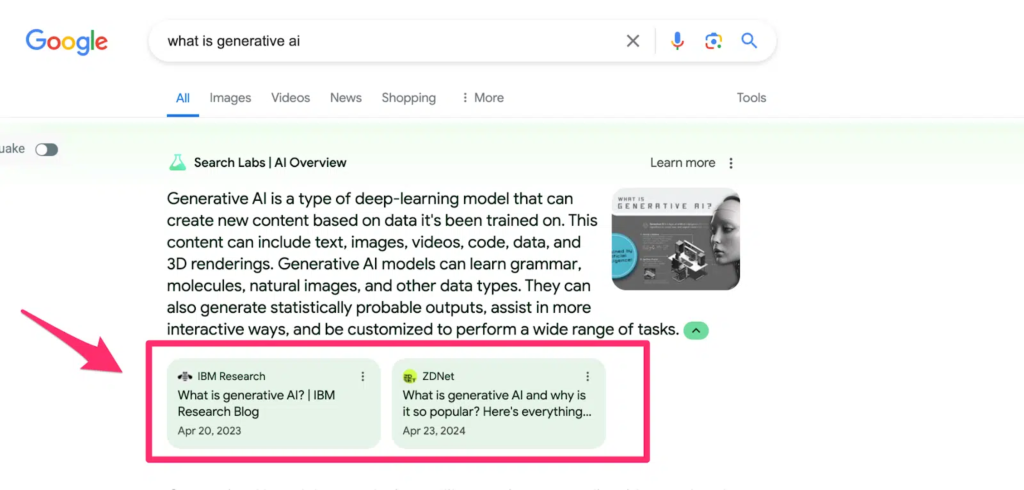
AI Overview creates delayed and assisted journeys.
A user might read a summary today and search your brand next week or even convert a month later. Traditional analytics struggles to connect those dots.
This is why tracking AI Overview organic traffic signals requires looking beyond sessions and pageviews.
1. Start With Search Impressions, Not Clicks
Clicks are no longer the leading indicator they used to be.
Impressions tell you whether your content is being surfaced at all. When impressions rise while clicks fall, it often means your page is being referenced rather than visited.
This pattern is common after optimization for Google AI Overview traffic tracking, especially on informational pages.
A sudden impression increase is usually a positive signal, not a warning sign.
2. Watch Query-Level Changes in Search Console
Google Search Console is the most reliable and trust worthy source for AI Overview traffic visibility signals.
Focus on:
- Queries with rising impressions
- Stable or improving average positions
- Declining CTR without ranking drops
These combinations often indicate AI summary exposure.
Pages affected by AI Overview visibility tracking usually show this pattern first.
3. Branded Search Growth Is a Delayed Signal
AI Overview often introduces users to brands without sending immediate traffic.
The result shows up later as branded searches.
If brand queries increase while direct organic traffic stagnates, AI Overview exposure is often the reason.
This is one of the clearest indirect indicators used by teams offering AI Overview SEO services in Toronto, where competitive visibility makes brand recall critical.
4. Engagement Quality Matters More Than Volume
When users click after seeing an AI summary, they behave differently.
They spend more time on the page. They scroll deeper. They convert with fewer interactions.
This shows up as:
- Higher engagement time
- Lower bounce rates
- Stronger assisted conversions
Tracking AI Overview traffic quality metrics gives a more accurate picture than raw session counts.
5. Assisted Conversions Reveal the Hidden Impact
AI Overview often plays a supporting role rather than a closing one.
Users may first encounter your brand through an AI summary, then return later via direct, referral, or paid channels.
Assisted conversion reports help uncover this influence.
This is especially relevant for firms providing AI SERP consulting in Canada, where long decision cycles are common.
6. Compare Page Groups, Not Individual Pages
AI Overview impact is easier to detect at the group level.
Compare:
- Informational pages vs service pages
- Pre-AI content vs updated content
- Topic clusters vs standalone posts
Pages optimized for tracking AI Overview traffic often show improvement collectively rather than individually.
7. Look for CTR Drops Without Ranking Loss
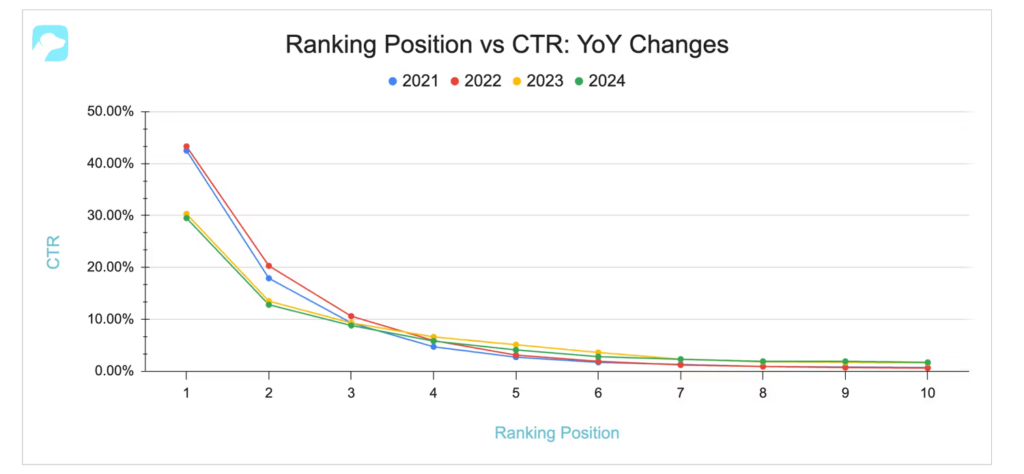
This pattern often confuses many marketing teams. When rankings remain steady but CTR drops sharply, it is usually a sign that AI Overviews are intercepting clicks.
This does not necessarily mean the page is underperforming; rather, it indicates that the search results page itself has changed.
Understanding this distinction helps prevent unnecessary content rewrites and panic-driven optimization decisions, allowing teams to respond strategically instead of reactively.
8. Monitor Scroll Depth and Return Visits
AI Overview users who click tend to be intentional. They scroll more. They return later. They explore related pages. These behaviors indicate trust, even when session counts are lower.
For teams optimizing Google AI Overview SEO solutions in Ontario, these signals often replace traditional traffic KPIs.
9. Local Visibility Needs Separate Tracking
Local searches behave differently. AI Overview may summarize information, but users still click when proximity matters.
Tracking local performance separately helps isolate true losses from normal AI behavior.
Agencies working as a generative search optimization agency in Hamilton often segment local and non-local data to avoid misinterpretation.
10. Stop Treating AI Overview Like a Traffic Channel
AI Overview is not a channel. It is a visibility layer.
Trying to measure it like organic search from ten years ago leads to incorrect conclusions.
The goal shifts from:
- How many clicks did this page get?
- How often did this content influence discovery?
That mindset change makes tracking clearer.
Common Tracking Mistakes to Avoid
Several errors appear repeatedly when teams try to measure AI Overview impact:
- Judging performance by traffic alone
- Ignoring branded search growth
- Treating CTR drops as failures
- Over-optimizing pages that are already visible
These mistakes usually come from outdated reporting habits.
What Tracking Success Looks Like Now
Success is quieter than before.
It shows up as:
- Stable impressions during algorithm changes
- Gradual brand query growth
- Higher-quality conversions
- Stronger performance across content clusters
Traffic still matters, but it is no longer the only proof of value.
Final Perspective
AI Overview changed how users discover information, not whether content matters. Tracking traffic now requires patience and better interpretation, not more dashboards.
When measurement aligns with how search actually works today, performance becomes easier to explain and defend.
Clicks may come later. Influence happens earlier.
Why are clicks decreasing even when rankings stay stable?
When AI Overview appears above organic listings, users often read the summary without clicking. Rankings may remain unchanged, but click-through rates drop because the answer is partially delivered before the user visits the page.
How can I tell if AI Overview is affecting my traffic?
Look for rising impressions combined with stable rankings and declining CTR in Search Console. This pattern often indicates your content is being surfaced or referenced in AI summaries without generating proportional clicks.
Are impressions more important than clicks now?
For AI Overview visibility, impressions act as a leading indicator. They show whether your content is being displayed. Clicks still matter, but impressions reveal exposure that may not result in immediate traffic.
How does AI Overview influence branded search growth?
Users may discover your brand in an AI summary and return later through branded searches. An increase in brand query volume often signals indirect exposure, even if direct organic sessions appear unchanged.
What metrics better reflect AI Overview performance?
Engagement time, scroll depth, assisted conversions, and return visits provide clearer insight than session volume alone. These indicators show whether users who click are more intentional and more likely to convert.
Why is assisted conversion tracking important now?
AI Overview often influences early discovery rather than final action. Assisted conversion reports help identify whether users first encountered your brand through search before converting via another channel later.
Should local and informational traffic be measured separately?
Yes. Informational searches are more affected by AI summaries, while local intent still drives direct clicks. Segmenting these categories prevents misinterpreting natural AI behavior as performance decline.
Is AI Overview a new traffic channel?
No. AI Overview is a visibility layer within search, not a standalone channel. It influences discovery and brand awareness, often before measurable clicks occur, requiring a shift in how success is evaluated.