










You likely have had the experience of looking for something on Google and seeing those “Sponsored” tags at the top of the results page.If you’ve ever done a Google search and recognized those “Sponsored” little tags then you’ve seen Google Ads. However, there is the drawback, these search results are merely the tip of the iceberg.
There are multiple types of Google Ads to choose from and as a business, whether that’s a local bakery or a big ecommerce enterprise, you will find that choosing the right one is the difference between a wasting budget and real results. Let’s demystify all of that, I promise, without all of the jargon.
Why Google Ads in 2026 is essential?
Before we get to the types, though, a quick answer to the question, “Why?” Google receives more than 8.5 billion queries a day. This is a huge number of people with a target in mind of products/services/solutions. Google can help you engage with customers who are actively looking to purchase services, by targeting them directly in their search results with your ad. That’s incredibly powerful.
Now, the question is which ad format is right for you and for your goals? This blog is just that.
Google types of ads that you should be familiar with:
1. Search Ads in Google
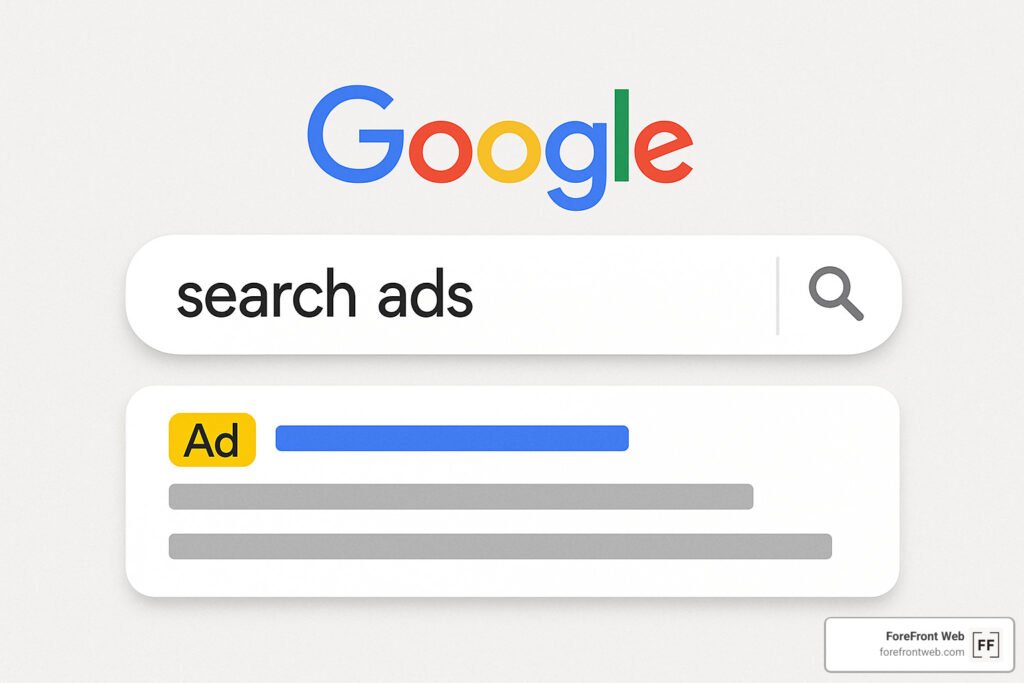
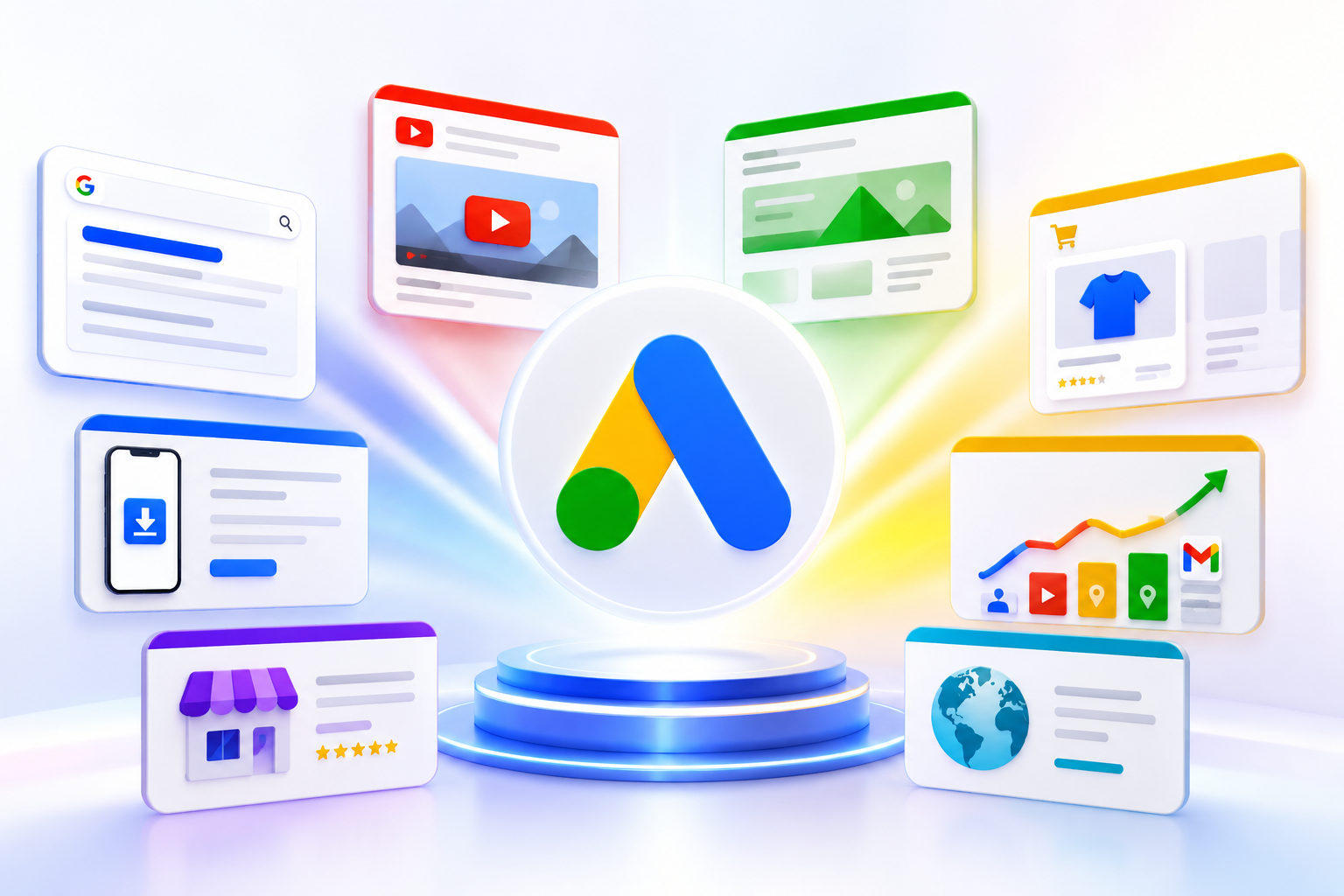
This is the most widely used and popular format. The Search Ads that Google Ads place on the search engine results page (SERP) when a person searches for a relevant keyword is at the top (and sometimes bottom) of the results page.
If you search for “best running shoes for flat feet,” businesses who run Search Ads with this word will be more visible in the search results, before the organic results.
Why it works: You’re targeting people with high purchase intent. They’re already searching for what you offer.
Best for:
- Service-based businesses (lawyers, plumbers, dentists)
- Lead generation campaigns
- Businesses with a clear target keyword strategy
If you’re new to the Google Ads tutorial world, Search Ads are usually the best starting point because they’re straightforward to set up and measure.
2. Display Ads in Google
Ever visited a website and seen a banner ad for something you Googled earlier? That’s Display Ads in Google doing their thing.
Display Ads appear across the Google Display Network, which includes over 2 million websites, apps, and YouTube. These are visual ads — banners, images, and responsive ad units — that follow your potential customers around the web.
They’re not about catching someone mid-search. Instead, they work on brand awareness and remarketing. If someone visited your website but didn’t convert, Display Ads can “remind” them about you.
Best for:
- Brand awareness campaigns
- Retargeting website visitors
- Businesses with visually appealing products
3. Video Ads on Google (YouTube Ads)
Video Ads on Google are mainly played through a search engine, YouTube, which is the second biggest search engine in the world. This format lets you tell stories in ad on about an ad before a video, a bumper ad that can’t be skipped, or an in-feed video ad.
And storytelling sells.
When you have a compelling product demo, Customer Success Story or a powerful Brand position, then Video Ads can make it happen in a way that Text Ads just can’t.
Best for:
- Product launches
- Brand storytelling
- Reaching younger, mobile-first audiences
- Businesses with video content ready to deploy
4. Shopping Ads in Google
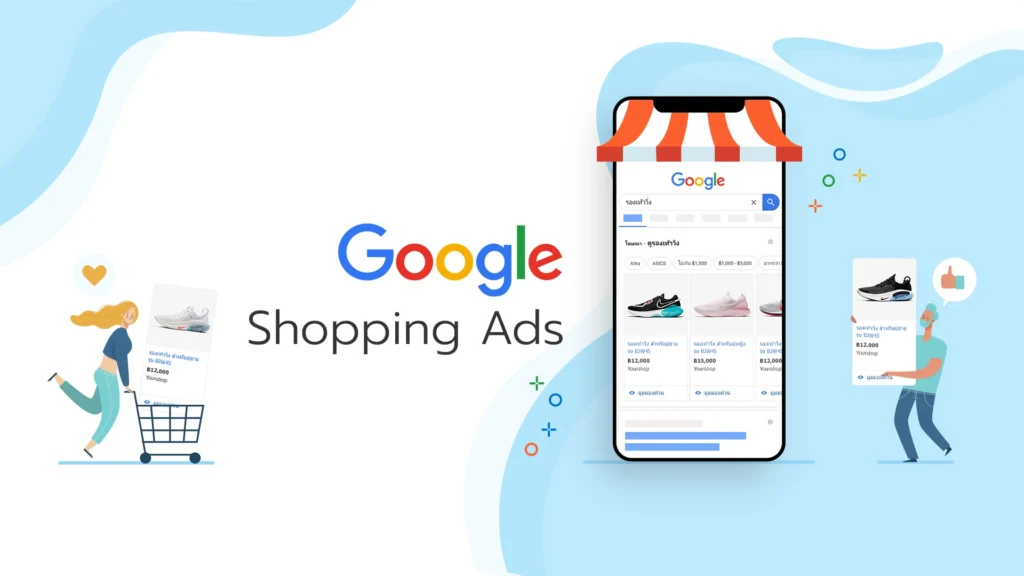
If you run an e-commerce store, Shopping Ads in Google are probably your best friend. These ads show up at the very top of search results with a product image, price, store name, and sometimes ratings — all before the user even clicks.
Think about it: a user searches “buy blue denim jacket,” and they immediately see a grid of products with prices. That’s Shopping Ads.
These are product-focused, visually rich, and drive extremely high-quality traffic because users already know the price before clicking.
Best for:
- E-commerce businesses
- Retailers with a product catalog
- Businesses looking for high-intent buyers
Must Read: How Google Ads Uses AI for Ranking, Bidding & Ad Selection
5. App Campaign Ads
App Campaign Ads are designed precisely for this purpose if you have a mobile app with an eye towards improving downloads or in-app engagement. Automatic optimization across Search, Display, YouTube, and Google Play leads Google to track different in-app actions, such as installs or specific actions.
The ads created here are not designed by hand — you give Google some text, images and videos and then the computer does the rest.
Best for:
- Mobile app developers
- Businesses with loyalty or utility apps
- Gaming companies
6. Smart Ads
Smart Ads are Google’s automated, beginner-friendly ad format. You provide your business info, a few headlines, and descriptions, and Google does the rest — including who to target, where to show ads, and how to bid.
While they lack the granular control of other types of Google Ads, they’re great if you’re a small business owner who doesn’t have hours to spend on campaign management.
Best for:
- Small local businesses
- Businesses new to Google Ads with limited budgets
- Quick setup with minimal technical knowledge
7. Performance Max Ads
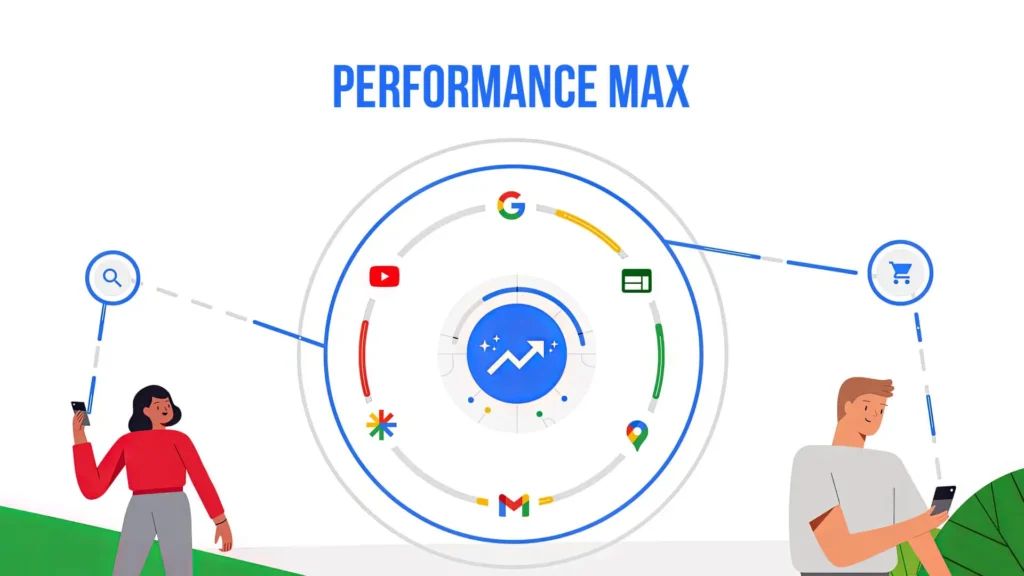
This is where the fun starts! One of the most discussed Google Ads campaign types is now: “Performance Max Ads” (also known as PMax or Google’s “Performance Maximiser” Ads). A goal-based campaign format that leverages Google’s AI to reach your ads to people via all Google channels from one campaign — Search, Display, YouTube, Gmail, Maps, and Discover.
You establish your objectives (sales, leads, in-store visits), create their materials for them, and Google’s machine learning works to optimize delivering them through all channels in real-time.
It’s not just an ad type, it’s truly a crammed in Google Ads technique in an overall marketing campaign.
Best for:
- Businesses with clear conversion goals
- Advertisers who want maximum reach without managing multiple campaigns
- E-commerce brands using Google Merchant Center
8. Local Ads
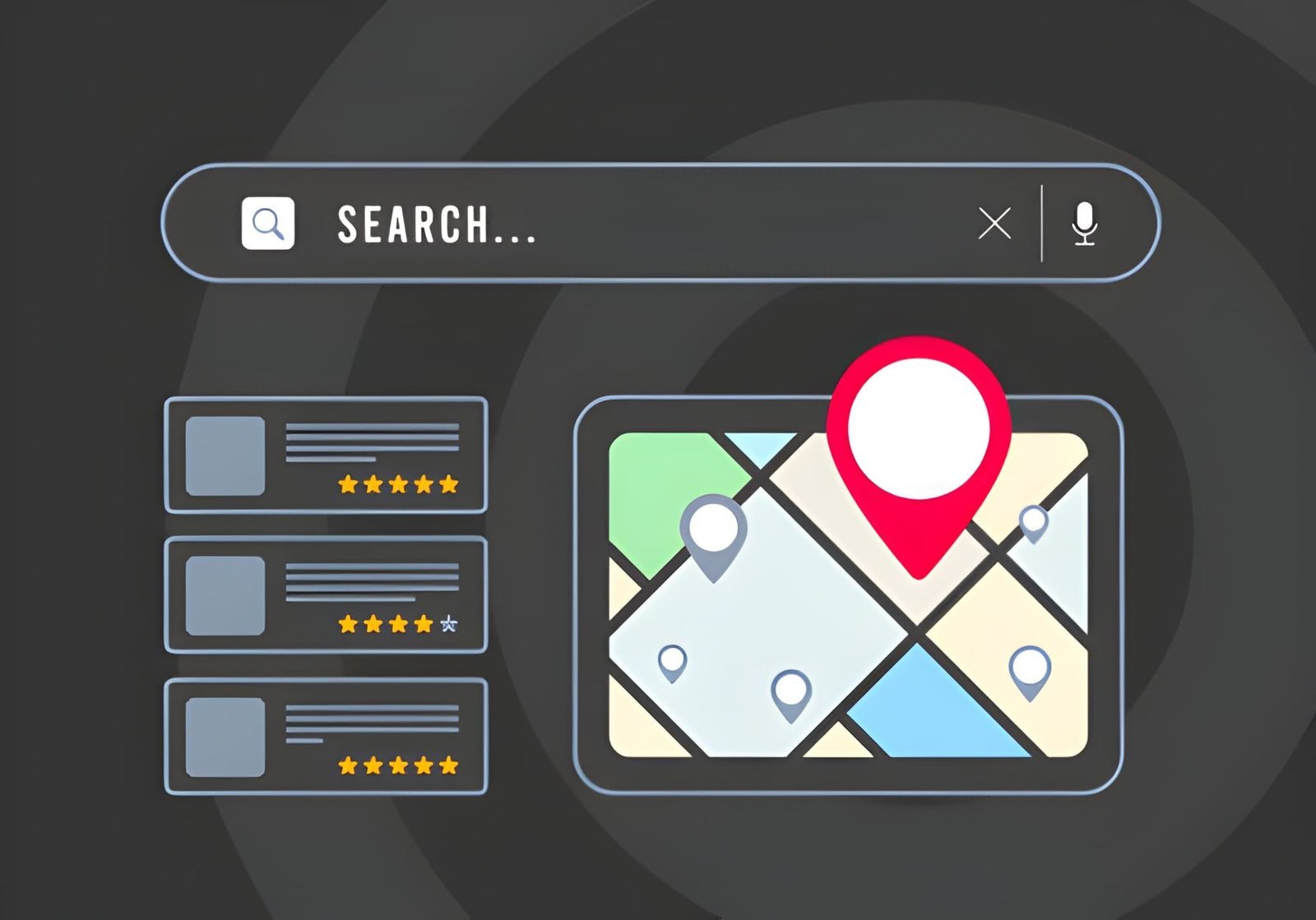
Local Ads are actually tailored for brick-and-mortar companies seeking to get foot visitors. These will show up on Google Search, Maps, Google YouTube and Google Display Network, and will lead local users to your actual location.
If you’re searching for “coffee shop near me,” you may see an ad that features directions, hours, and a phone call button. That’s Local Ads for you.
Best for:
- Restaurants, salons, gyms, retail stores
- Service businesses with a physical location
- Event-based promotions
9. Discovery Ads
Discovery Ads are displayed on Gmail, on the home feed of YouTube, and on Google Discover. They do not serve ads based on the search terms the person enters, they serve ads based on the interests and behaviour of the person. Great for reaching new audiences that don’t even realize they need you yet!
Think of them as the “awareness before intent” type. You’re meeting potential customers before they even start searching.
Best for:
- Brand discovery campaigns
- Businesses targeting new audience segments
- Content-heavy or lifestyle brands
How to Choose the Right Google Ads Type for Your Business?
Now that you know the types of Google Ads, the real question is — which one is right for you? Here’s a simple way to think about it:
- If you want immediate leads and have strong keywords, go with Search Ads.
- If you want to retarget website visitors or build brand awareness, use Display Ads.
- If you sell physical products online, Shopping Ads are non-negotiable.
- If you want to dominate across all Google platforms with AI optimization, try Performance Max Ads.
- If you’re on a tight budget and just starting out, Smart Ads can get you going quickly.
- If your goal is app downloads, App Campaign Ads are your answer.
- If you run a local business, Local Ads will drive real foot traffic.
A smart Google Ads strategy often combines two or more of these types. For example, running Search Ads for high-intent keywords while using Display Ads for retargeting is a very common and effective combination.
Final Thoughts
If you’re going to spend ad money, knowing what types of Google Ads are out there is key, it’s not just a nice-to-know! Each form has a specific purpose, appeals to different part of the buying process, and produces different results.
For someone just beginning to learn the first Google ads tutorial or a seasoned marketer to perfect the Google ads strategy, it’s best to begin with a goal. Do you want leads, sales, installs, brand awareness or foot traffic? Having this understanding allows you to make your decision on which kind of ad is the appropriate one to pick a little easier.
Paid advertising on Google is one of the highest-ROI channels available to businesses today. But only if you use it right. Now you know where to begin.