











Getting traffic to your store is hard. Turning that traffic into sales is even harder. Paid ads can help, but costs keep rising, and the results often stop the moment you pause your budget. That is why many brands are investing more in content marketing for ecommerce.
Good content does more than fill a blog. It helps shoppers discover your brand, compare products, answer doubts, and feel confident enough to buy. It also gives your store a better chance to rank in search, earn trust, and stay visible long after a campaign ends.
In this guide, you will learn:
- Why content matters at every stage of the buyer’s journey
- How an ecommerce SEO content strategy supports long-term traffic growth
- Practical ecommerce content marketing tips you can use right away
- How to turn readers and viewers into paying customers
If you want a more reliable way to grow traffic and conversions, content is one of the best assets you can build.
What Is Content Marketing for Ecommerce?
Content marketing for ecommerce is the practice of creating useful, relevant content that helps people discover, evaluate, and purchase products from your online store.
This content can include:
- Blog posts
- Buying guides
- Product comparison pages
- Videos
- Email content
- Customer stories
- User-generated content
- FAQs
- Social media posts
The goal is not just to attract clicks. The real goal is to move shoppers closer to a purchase by giving them the information they need at the right time.
For ecommerce brands, content works best when it supports both discovery and decision-making. A shopper may first find you through a search like “best running shoes for flat feet.” Later, that same person may read your product comparison, watch a demo video, and finally buy after reading customer reviews. That entire path is shaped by content.
Why Content Matters in the Modern Buyer’s Journey

Online shoppers rarely buy on the first visit. They research, compare, read reviews, and look for proof. This makes content a key part of the modern buyer’s journey.
Awareness: Helping New Shoppers Find You
At the top of the funnel, people are often looking for answers, not products. They may not know your brand yet. They may not even know exactly what they need.
This is where educational content helps. Blog posts, how-to articles, and beginner guides can attract people who are searching for problems, needs, or ideas.
Examples include:
- How to choose the right office chair for back support
- Best skincare routine for sensitive skin
- What to pack for a weekend hiking trip
This kind of content expands your reach beyond product keywords. It helps you meet potential buyers before they are ready to purchase.
Reader win: You can capture search traffic earlier in the buying process instead of waiting for shoppers to search for your exact product.
Consideration: Helping People Compare Options
Once shoppers know what they need, they start comparing solutions. They may ask:
- Which option is best for my budget?
- What features matter most?
- How does one product compare with another?
- Can I trust this brand?
This is where your content should reduce friction. Comparison pages, product guides, FAQs, reviews, and educational videos help shoppers move from interest to intent.
Useful consideration-stage content includes:
- Product comparison charts
- “Best for” collections
- Use-case pages
- Buyer’s guides
- Explainer videos
At this stage, your job is not to push too hard. It is to make the decision easier.
Decision: Giving Buyers the Confidence to Purchase
At the bottom of the funnel, buyers need reassurance. They want to know the product works, delivery is clear, returns are simple, and the value is real.
Content that helps here includes:
- Detailed product descriptions
- Customer reviews
- UGC photos and videos
- Shipping and returns content
- Product demos
- Case studies or testimonials
The best ecommerce content removes doubt. When a shopper feels informed, the path to checkout becomes much smoother.
How an Ecommerce SEO Content Strategy Builds Long-Term Organic Traffic

An effective ecommerce SEO content strategy helps your brand attract consistent traffic from search engines over time. Unlike paid traffic, organic traffic can continue to grow long after the content is published.
SEO Content Creates Compounding Results
One strong article or guide can rank for dozens of related searches. Over time, a library of useful content can bring in traffic every day without ongoing ad spend for each click.
This is one of the biggest reasons content marketing for ecommerce is so valuable. Instead of renting attention, you build assets that keep working.
For example, a pet supply store might publish:
- How to choose dog food by breed size
- Puppy feeding schedule by age
- Wet food vs dry food for dogs
Each piece targets a different search intent. Together, they create a stronger content footprint that supports brand discovery and product sales.
Search Intent Should Lead Your Content Plan
A smart ecommerce content strategy starts with search intent. In simple terms, this means understanding what the shopper wants when they type a query into Google.
There are usually three main intent types for ecommerce content:
Informational intent
The shopper wants to learn something.
Examples:
- How to clean white sneakers
- What size luggage fits carry-on rules
Commercial intent
The shopper is researching products and comparing options.
Examples:
- Best sneakers for standing all day
- Hard shell vs soft shell luggage
Transactional intent
The shopper is close to buying.
Examples:
- Buy white leather sneakers online
- Carry-on luggage free shipping
A strong strategy maps content to each stage. This keeps your store visible across the full journey, not just at the final purchase step.
Category and Product Pages Need SEO Support Too
Many ecommerce brands focus only on blogging. That is a mistake. Your ecommerce SEO content strategy should also improve category and product pages.
You can do this by:
- Writing unique category descriptions
- Adding FAQs to product pages
- Including product comparison details
- Using helpful, benefit-driven copy
- Targeting long-tail keywords naturally
For example, instead of a thin category page titled “Women’s Jackets,” you can add a short intro that explains fit, material, weather use, and key buying factors. This helps both users and search engines.
Internal Linking Builds Stronger Content Paths
Internal links help readers move from learning to shopping. They also help search engines understand your site structure.
Link blog content to:
- Relevant category pages
- Product pages
- Collection pages
- Related guides
- FAQ pages
For example, if you publish a guide on “best coffee grinders for beginners,” you should link directly to the grinders featured in the article. This creates a natural bridge between traffic and revenue.
Reader win: Organic traffic grows faster when your informational content supports your commercial pages.
Building a Practical Ecommerce Content Strategy
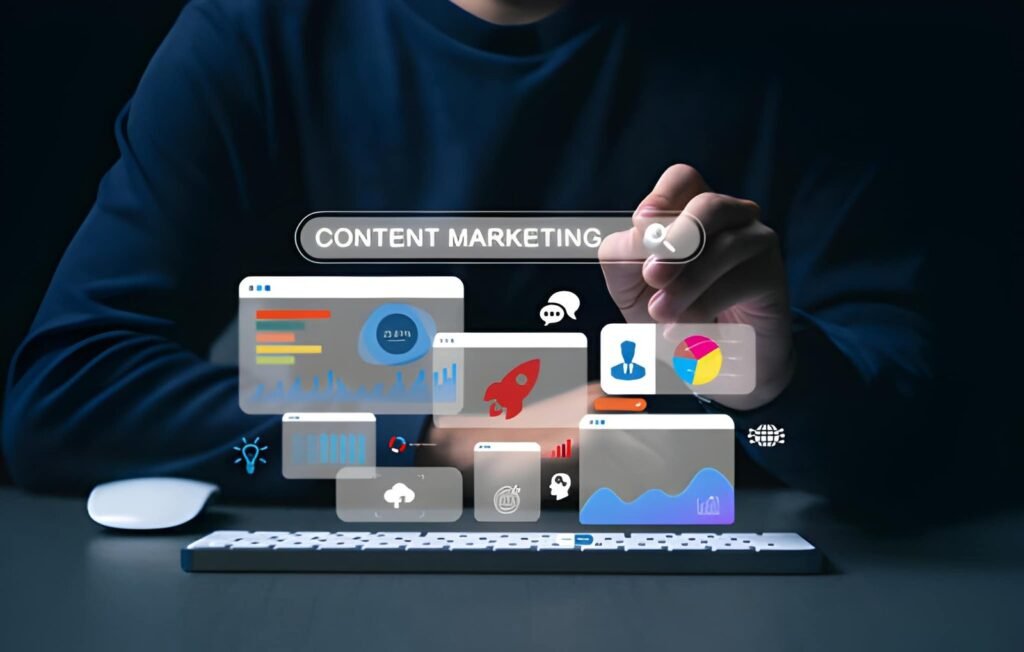
A good ecommerce content strategy is not about posting random blog articles. It is about creating the right content for the right audience with a clear business goal.
Start With Your Best Customers
Look at your top-selling products and best customer segments. Ask:
- What problems are they trying to solve?
- What questions do they ask before buying?
- What objections slow them down?
- What content would make the purchase easier?
Your best content ideas often come from customer support chats, reviews, search data, and sales questions.
Build Content Around Product Clusters
Instead of creating isolated content pieces, organize your topics around product clusters. This helps with both SEO and conversions.
For example, a skincare brand might create a cluster around vitamin C serum:
- What vitamin C serum does
- How to use vitamin C serum
- Vitamin C vs niacinamide
- Best routine for dull skin
- Common mistakes with vitamin C products
This cluster attracts top-funnel traffic while supporting the product collection page.
Create a Mix of Evergreen and Conversion Content
Your plan should include both traffic content and sales-focused content.
A healthy mix may include:
- Evergreen guides for long-term search traffic
- Seasonal content for peak sales periods
- Product education content
- Comparison and review content
- Conversion-focused landing pages
Evergreen content builds visibility. Conversion content helps turn that visibility into revenue.
Ecommerce Content Marketing Tips That Actually Work

Now let’s move into practical ecommerce content marketing tips you can apply across your store.
1. Publish Product Guides That Help People Choose
Product guides are one of the most effective formats for ecommerce. They match real buyer behavior because people want help deciding.
Strong product guides can include:
- Best products for specific use cases
- Size or fit guides
- Material guides
- Beginner buying guides
- Product care instructions
A good guide should be clear, honest, and easy to scan. Include images, comparisons, and links to relevant products.
Example headings:
- Best backpacks for daily commuting
- How to choose the right mattress firmness
- A simple guide to lens types for beginners
These pages often bring in qualified traffic because they attract shoppers with real purchase intent.
2. Use User-Generated Content to Build Trust
User-generated content, or UGC, includes customer photos, videos, reviews, and social posts. It works because it shows real people using your products in real situations.
UGC can improve conversions by making your brand feel more trustworthy and relatable.
Ways to use UGC:
- Add customer photos to product pages
- Feature short review quotes in blog posts
- Create social proof sections on landing pages
- Use customer video clips in ads and email campaigns
- Highlight before-and-after results where relevant
UGC is especially strong for fashion, beauty, home, fitness, and lifestyle brands. It helps buyers picture the product in their own lives.
Why UGC matters so much
Brand-created content tells. Customer-created content shows. That difference matters when someone is deciding whether to spend money with you.
3. Invest in Video Marketing
Video is one of the most useful content formats for ecommerce because it helps explain products quickly and clearly.
Shoppers often want to see:
- How a product looks in real life
- How it works
- What size it is
- How to use it
- Whether it feels worth the price
Useful ecommerce video formats include:
- Product demos
- Unboxing videos
- Tutorials
- Comparison videos
- Customer testimonials
- Short social videos
Video can increase time on page, improve engagement, and reduce uncertainty. It can also support SEO when paired with optimized titles, descriptions, and on-page context.
If you have limited resources, start with simple product demo videos for your top-selling items.
4. Turn FAQs Into Search and Sales Assets
FAQ content is often overlooked. That is a missed opportunity.
FAQs help address objections, improve product understanding, and target long-tail search queries. They can be added to:
- Product pages
- Collection pages
- Blog posts
- Dedicated support pages
Examples:
- Is this material machine washable?
- Does this fit true to size?
- How long does shipping take?
- Can I use this product every day?
Good FAQs reduce friction and make purchase decisions easier.
5. Refresh Existing Content Instead of Only Creating New Posts
Not every win requires a new article. Many ecommerce brands already have useful content that is outdated, under-optimized, or poorly linked.
Content refresh ideas:
- Update old stats and examples
- Improve headings for better clarity
- Add new product links
- Include FAQs and visuals
- Strengthen calls to action
- Improve internal linking
Refreshing content is often one of the fastest ways to improve performance without starting from scratch.
How to Convert Readers Into Customers
Traffic matters, but conversions matter more. The best content marketing for ecommerce connects useful information with clear buying paths.
Match Content to the Next Step
Every content piece should guide the reader toward a logical next action.
For example:
- A beginner guide should link to a curated collection
- A comparison post should link to the compared products
- A tutorial should recommend the tools or products used
- A review roundup should highlight who each product is best for
The next step should feel helpful, not forced.
Use Clear and Relevant Calls to Action
A weak call to action can waste strong content. Your CTA should match the reader’s intent and the page type.
Examples of effective CTAs:
- Shop the collection
- Compare top picks
- Find your size
- Watch the demo
- See customer favorites
- Explore starter bundles
Avoid generic CTAs when possible. Specific CTAs perform better because they reduce decision fatigue.
Add Conversion Elements Within Content
To turn content into revenue, place conversion points inside the content, not just at the bottom.
Useful conversion elements include:
- Product cards inside blog posts
- Sticky add-to-cart features
- Inline banners for featured collections
- Review snippets
- Limited-time offers where appropriate
- Email signup offers tied to buyer intent
For example, a skincare routine blog can include product recommendations in each step of the routine. That makes the content more useful and more likely to convert.
Build Trust at Every Click
People do not convert because they trust content alone. They convert because the entire experience feels reliable.
Make sure your content supports trust by including:
- Clear product details
- Honest claims
- Visible reviews
- Simple returns information
- Fast-loading pages
- Mobile-friendly design
Great content can bring people in. Trust helps close the sale.
Common Mistakes in Ecommerce Content Marketing
Even good brands can miss results if their strategy is not aligned.
Here are common mistakes to avoid:
1. Creating content with no buyer intent
Traffic that never converts is often a sign that topics are too broad or unrelated to your products.
2. Writing only for search engines
SEO matters, but content should still feel useful and natural. If it sounds robotic, it will not build trust.
3. Ignoring product and collection pages
Your blog should support revenue pages, not compete with them for attention.
4. Using weak internal linking
If readers cannot easily move from content to products, you lose sales opportunities.
5. Publishing inconsistently
One or two posts will not create real momentum. Consistency matters more than volume.
A Simple Framework to Get Started
If you want to build a better ecommerce content strategy, keep it simple.
Step 1: Choose your top product categories
Start with the categories that drive the most revenue or have the most growth potential.
Step 2: Identify customer questions
Use reviews, support tickets, keyword tools, and search suggestions.
Step 3: Create content for each stage of the journey
Build awareness, consideration, and decision-stage content.
Step 4: Link content to product and category pages
Make the path to purchase easy and natural.
Step 5: Measure what matters
Track:
- Organic traffic
- Time on page
- Product page clicks
- Add-to-cart rate
- Conversion rate
- Revenue influenced by content
This helps you see which content supports business outcomes, not just pageviews.
Final Thoughts
Content marketing for ecommerce works because it supports how people actually shop. Buyers want answers, proof, and confidence before they purchase. Strong content helps deliver all three.
A smart ecommerce SEO content strategy can bring in long-term organic traffic, while a clear ecommerce content strategy helps move shoppers from discovery to decision. Add practical content formats like product guides, user-generated content, and video, and your store becomes easier to find and easier to buy from.