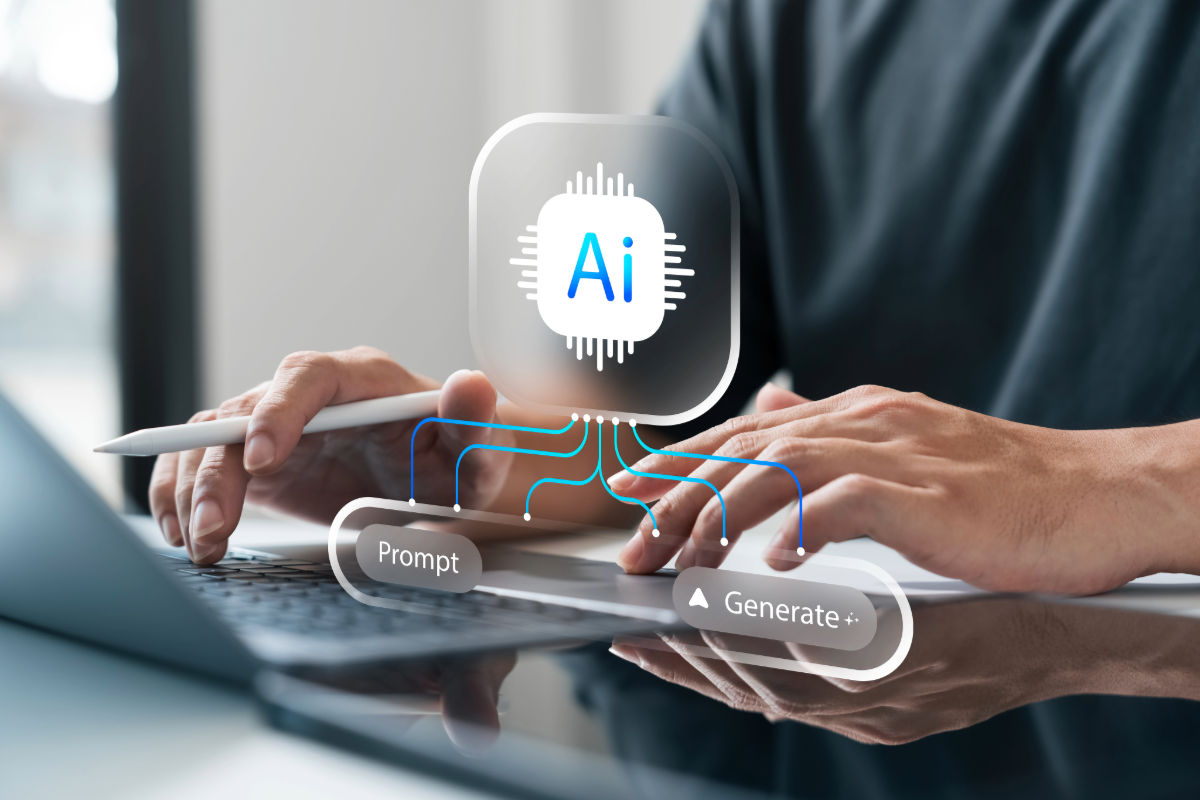
AI SEO vs Traditional SEO is not about choosing one over the other, but understanding how search optimization has evolved. Traditional SEO focuses on manual keyword research, content creation, technical optimization, and link building driven by human expertise. AI SEO enhances these processes by using machine learning to analyze large datasets, understand search intent, predict trends, and optimize content faster and at scale.
For the past few years SEO has changed and evolved faster than over the past several years.
You might have seen, whenever we search for any query we get to see a small content that gives a brief information about our query.
Those are actual AI snippets. These snippets are formed from a bunch of information present and presented in a well collaborated manner to users.
These AI snippets are included in Google’s AI overview. According to recent data from SEMRush, Google’s AI overview has reached almost 2 billion monthly users.
This is a lot of monthly users and this increase in monthly users has directly impacted traditional SEO methods resulting in zero-click searches on websites.
Now the question comes, with AI SEO dominating search results, will traditional SEO survive?
To answer this question we need to set a clear understanding first between ai seo vs traditional seo.
In this guide, we will clearly explain ai seo vs traditional seo, how each works, where they differ, and whether modern businesses need both.
This article is written in a simple way so anyone can understand it, even without a strong technical background.
What Is Traditional SEO?
Traditional SEO is the process of improving website rankings through manual keyword research, on-page optimization, technical fixes, and link building.
It relies on human analysis, SEO best practices, and search engine guidelines.
Marketers study search volume, optimize content, improve site structure, and build authority over time to increase organic traffic.
What Is AI SEO?
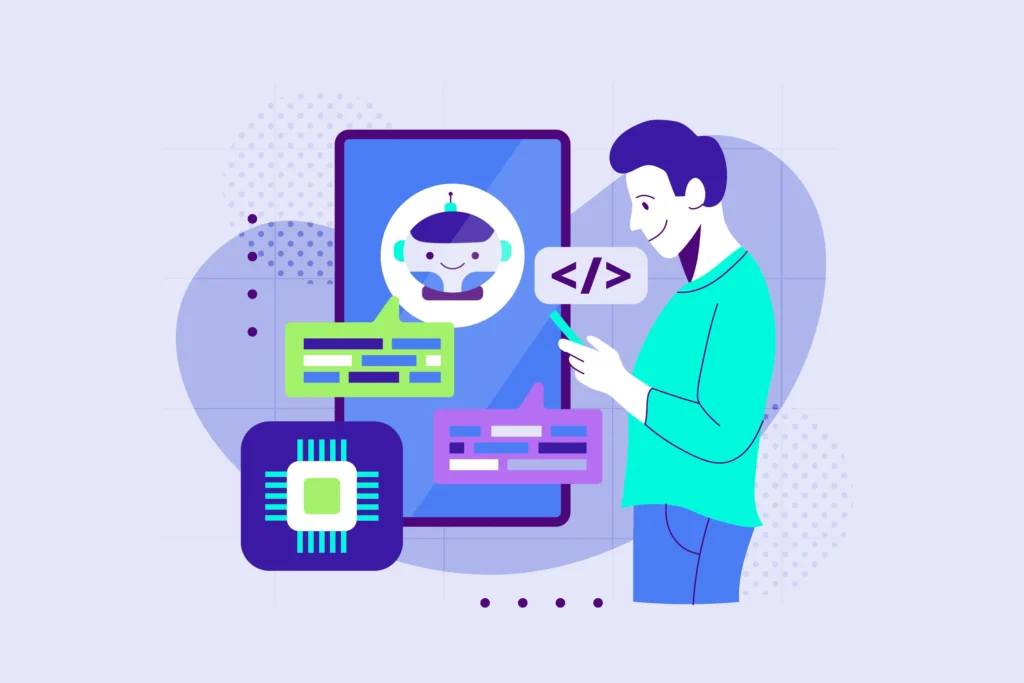
AI SEO uses artificial intelligence and machine learning to automate and improve SEO tasks.
It analyzes large amounts of data to understand search intent, predict trends, optimize content, and track rankings in real time.
AI SEO tools help marketers make faster decisions, personalize content, and adapt quickly to search engine changes.
Read More: AI SEO Guide
Core Differences Between AI SEO and Traditional SEO
Understanding ai seo vs traditional seo becomes easier when you compare them side by side.
| Aspect | Traditional SEO | AI SEO |
| Decision Making | Decisions are made by SEO experts based on experience, research, and best practices. Results depend heavily on human skill and judgment. | Decisions are supported by algorithms that analyze large datasets and suggest actions based on patterns, trends, and probabilities. |
| Keyword Research | Focuses mainly on search volume, competition, and manual intent analysis using SEO tools. Updates are done periodically. | Analyzes search intent, user behavior, and keyword relationships in real time to suggest clusters and emerging opportunities. |
| Content Creation | Content is planned and written manually, often following fixed outlines and keyword placement rules. | AI assists with topic ideas, semantic coverage, optimization gaps, and content structure based on ranking data. |
| Optimization Speed | Changes are implemented slowly since analysis, execution, and testing require human effort. | Optimization happens much faster because AI tools can analyze and suggest improvements instantly. |
| Data Processing | Limited to smaller datasets that humans can reasonably analyze and interpret. | Processes massive amounts of SERP, competitor, and user data at once with high efficiency. |
| Adaptability to Updates | Reacts after search engine updates roll out and rankings change. Adjustments take time. | Predicts shifts in rankings and intent patterns earlier, allowing faster strategic changes. |
| Scalability | Difficult to scale across large websites because each page needs manual attention. | Easily scales across thousands of pages using automation and pattern recognition. |
| Learning Over Time | Improves mainly through human learning and experience. Growth depends on team expertise. | Continuously improves as algorithms learn from new data and outcomes. |
Now that we know the difference between ai seo and traditional seo, we need to ask ourselves.
What if we can use both for our needs? Can AI seo be integrated with traditional seo? Let’s see…
Do You Need Both AI SEO and Traditional SEO?
In my opinion, yes, you need both AI SEO and Traditional SEO.
Why so?
Because AI seo is just an evolved version of how seo used to work previously. But the core concepts of SEO still remain the same.
You still need keyword research, you have to make content that fulfills user queries, you have to make your website optimized specially for mobiles.
These daily tasks are not redundant yet, but yes with the introduction of AI SEO the approach of seo should be different, your strategies should be aligned with the AI development.
For example, if you are writing a 1200 word content about any topic make sure you answer the core query behind the content in the very starting lines of the content. Why so?
Because zero click searches are on a rise with AI overview, now your visitors will read the content directly from AI overview in spite of going to your website.
Conclusion
The debate around ai seo vs traditional seo is not about choosing one over the other. It is about understanding how SEO has evolved.
Traditional SEO built the foundation of search optimization, focusing on quality content, structure, and authority.
AI SEO adds intelligence, speed, and adaptability to that foundation.
Search engines now rely heavily on context, intent, and user experience.
AI helps marketers keep up with these changes, but it cannot fully replace human insight. Strategy, storytelling, trust, and experience still matter deeply in SEO.
This is where Adsagenz can help. At Adsagenz, we combine AI-powered SEO tools with strong traditional SEO strategies to deliver real results.
Our team focuses on smart automation, high-quality content, and long-term growth so your brand stays visible in both search engines and AI-driven discovery platforms.
FAQs
a. What is the main difference between AI SEO and traditional SEO?
The main difference between ai seo vs traditional seo is how decisions are made. Traditional SEO depends on human research and manual updates, while AI SEO uses machine learning to analyze data and adjust strategies automatically. AI SEO works faster and adapts quickly, but traditional SEO offers deeper human control.
b. Is AI SEO replacing traditional SEO?
AI SEO is not replacing traditional SEO. Instead, it is enhancing it. While AI tools handle data analysis and automation, traditional SEO provides creativity, judgment, and strategic planning. The best results come from using both together rather than relying on only one method.
c. Is AI SEO safe for Google rankings?
AI SEO is safe when used correctly. Search engines value helpful and relevant content. AI tools should assist with research and optimization, not produce low-quality or copied content. Human review is important to ensure compliance with search engine guidelines.
d. Can small businesses use AI SEO?
Yes, small businesses can benefit from AI SEO. Many AI tools save time by automating keyword research, content suggestions, and performance tracking. When combined with traditional SEO practices, small businesses can compete more effectively without large teams.
e. How does AI SEO help with AI search visibility?
AI SEO improves visibility by aligning content with search intent, semantic understanding, and conversational queries. As AI-driven search experiences grow, content optimized through AI SEO becomes easier for search systems to understand, summarize, and recommend.
About Author: