Look, I get it. When you first hear about programmatic SEO, it sounds almost too good to be true. Create thousands of pages automatically? Rank for millions of keywords? Scale your traffic without writing every single article yourself?
Yeah, I was skeptical too.
But here’s the thing: some of the biggest players in the digital world are already doing this, and they’re absolutely crushing it. We’re talking about companies like Zapier, TripAdvisor, and Nomad List. These aren’t shady operations gaming the system. They’re providing real value at a massive scale.
So let me walk you through what programmatic SEO actually is, why it’s blowing up right now, and how you can use it without feeling like you’re selling your content soul to the automation devil.
What Exactly Is Programmatic SEO?
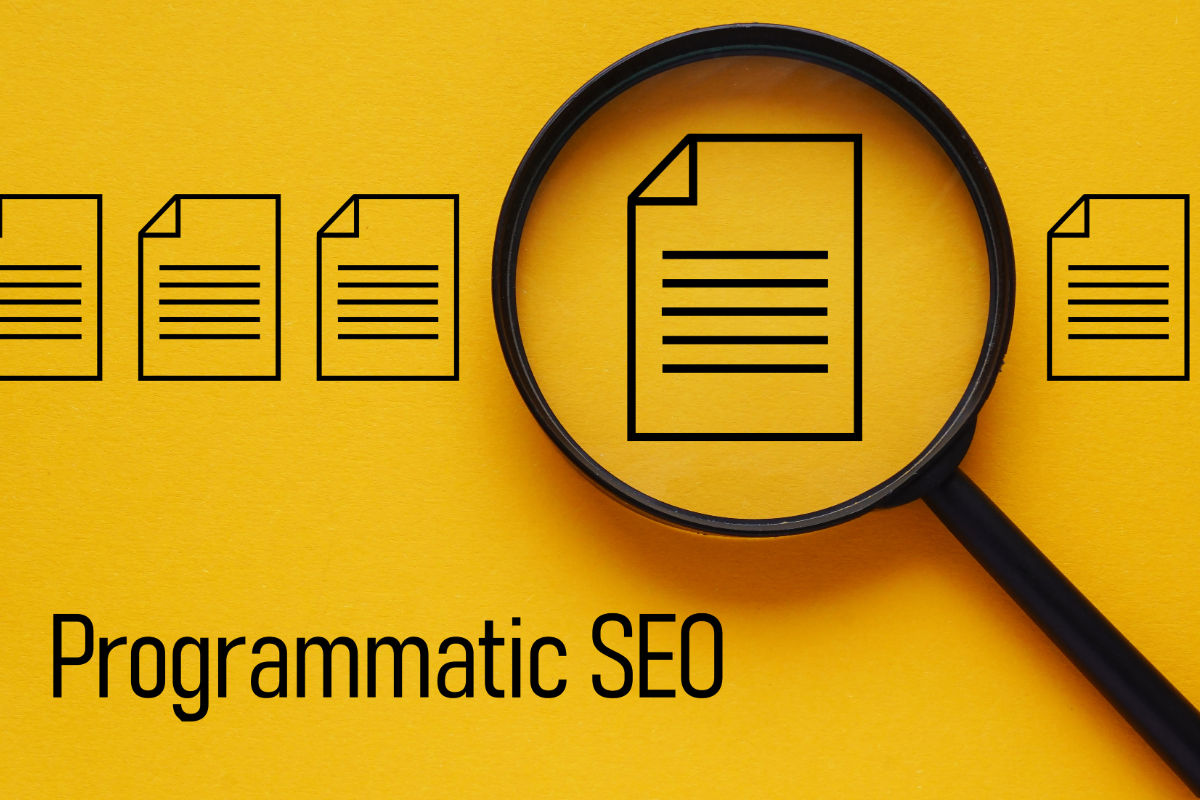
Programmatic SEO is basically creating a bunch of web pages using templates and databases instead of writing each one from scratch. Think of it like this: instead of baking 1,000 cookies individually, you’re using cookie cutters and a production line: same quality, way more cookies, way less time.
But here’s where people get confused—this isn’t about spamming the internet with garbage content. When done right, you’re creating unique, genuinely helpful pages that answer real questions people are actually searching for.
I remember when I first wrapped my head around this concept. I was manually writing blog posts about different cities for a travel project, and after about the 50th article, I thought, “There’s got to be a better way.” That’s when programmatic SEO clicked for me—same structure, different data, all providing value.
Why Everyone’s Talking About This Right Now
You might be wondering why programmatic SEO is suddenly everywhere. Let me tell you.
The Long-Tail Gold Mine
Every single day, Google sees searches it’s never seen before. We’re talking about 15% of all daily searches. Most of these are super-specific, long-tail queries. Like, people aren’t just searching “running shoes”—they’re searching “best running shoes for flat feet under $100 for marathon training.”
Now, each of these specific searches might only get 20-30 searches per month. Not much. But when you add up thousands of these little searches, you’re looking at massive traffic potential. And here’s the kicker—manually writing content for all these variations would take forever. Like, literally years.
I once calculated that if I wanted to cover all the keyword variations in just one niche I was working in, I’d need to write about 3,000 articles. At my pace of five articles per week, that would take me over 11 years. Yeah, no thanks. Programmatic SEO lets you tackle this in months instead of decades.
You Can Actually Compete Now
Remember when competing with big brands seemed impossible? They had teams of writers, huge budgets, and years of content already published. Programmatic SEO is one of the few ways smaller players can level the playing field.
By the time a traditional content team manually creates 100 articles, you could have 5,000 pages live and ranking. That’s not hyperbole—that’s just math. And once you’ve got that kind of coverage, you’ve built yourself a pretty sweet competitive moat.
The Tools Don’t Suck Anymore
Five years ago? Yeah, programmatic SEO was only for companies with serious development teams. Now? The tools have gotten so much better. You’ve got headless CMS platforms, no-code solutions, and AI that can actually help generate decent content. The technical barrier to entry has dropped dramatically.
I’ve seen solo entrepreneurs pull this off using nothing more than Airtable, some basic Python scripts, and a WordPress site. You don’t need a Silicon Valley engineering team anymore.
People Search Differently Now
Users have gotten smarter about how they search. They’ve learned that specific questions get better answers. So instead of broad searches, they’re typing in exactly what they need. “CRM for real estate agents,” “project management tool for remote teams under 10 people,” “budget hotel near Times Square with free breakfast.”
This shift toward specificity is perfect for programmatic SEO because you can create pages that match these exact queries. It’s like having a conversation where you actually answer the precise question someone asked.
Let Me Show You Some Real Examples
Sometimes it helps to see this stuff in action.
Zapier’s Integration Pages
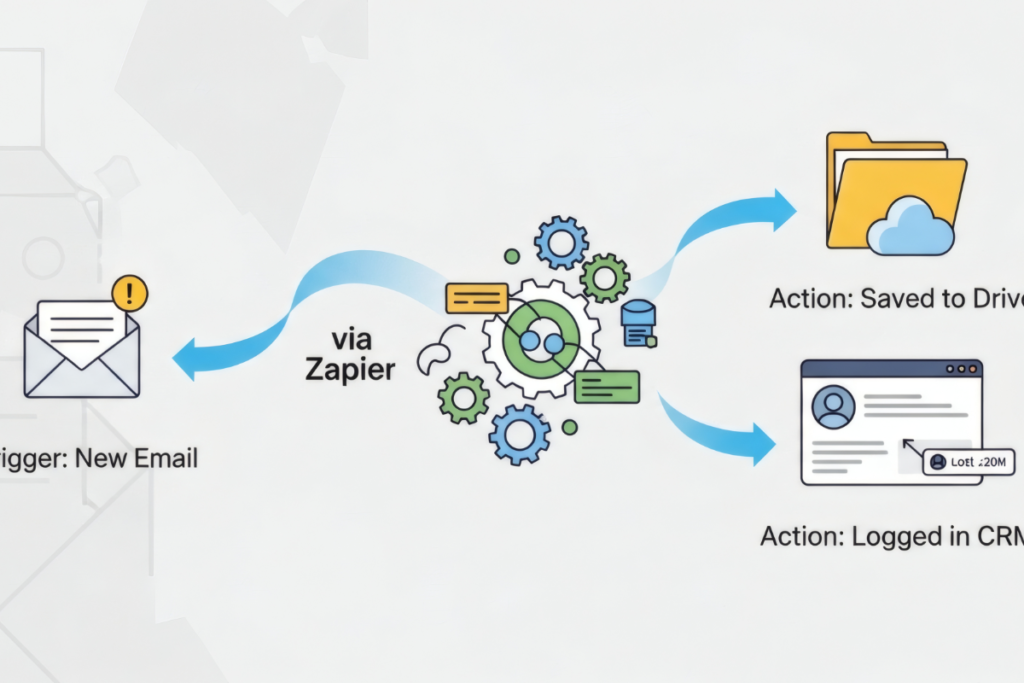
Go ahead, search for “connect [any app] to [any other app]” on Google. Zapier has a dedicated page for that exact combination. They’ve created over 25,000 of these pages, each explaining how to connect two specific apps.
The brilliant part? Each page is genuinely useful. They’re not just keyword-stuffed garbage. You get actual instructions, use cases, and automation ideas. That’s programmatic SEO done right.
Nomad List’s City Pages
If you’re a digital nomad or even just curious about working remotely from different cities, Nomad List is probably on your radar. They’ve got thousands of pages, one for practically every city on Earth.
Each page shows you the cost of living data, internet speeds, weather patterns, safety ratings, and reviews from other nomads. The template’s the same across all pages, but the data makes each one unique and incredibly valuable if you’re considering that specific city.
TripAdvisor’s Everything
TripAdvisor is basically the poster child for programmatic SEO at a massive scale. Millions upon millions of pages covering every hotel, restaurant, and attraction you can imagine. They’ve turned programmatic SEO into an art form.
Wise’s Currency Pages
Need to know the exchange rate between Chilean Pesos and Thai Baht? Wise has a page for that. They’ve created thousands of currency conversion pages, each with live rates and historical data—simple concept, executed at scale, providing real utility.
What You Actually Need to Pull This Off
Let’s get practical. If you want to do programmatic SEO, you need four main ingredients.
A Solid Template
Your template is your foundation. It’s the structure that’ll get repeated across all your pages. But here’s what most people get wrong—they make it too rigid.
A good template needs to be consistent enough that your pages look professional and cohesive, but flexible enough to accommodate different types of data without looking weird. You want clear headings, space for unique content, good internal linking, and proper schema markup.
I’ve seen people create templates that work great for 80% of their data but completely fall apart for edge cases. Test your template with varied data before you go all-in. Trust me on this.
A Database Full of Good Data
Your database is what breathes life into your template. Garbage data equals garbage pages. It’s that simple.
You might be pulling from location databases, product specifications, pricing information, user reviews, statistical data, or comparison metrics. Whatever it is, make sure it’s accurate and comprehensive.
One time, I launched a batch of programmatic pages only to realize halfway through that my data source had a bunch of outdated information. Had to go back and fix hundreds of pages. Not fun. Validate your data first.
Smart Keyword Research

Here’s where programmatic SEO differs from traditional SEO. You’re not just finding individual keywords. You’re looking for patterns.
You want to identify keyword formulas like:
- “best [product] for [use case].”
- “[service] in [city].”
- “[product A] vs [product B]”
- “[tool] with [specific feature].”
Once you spot these patterns, you can generate thousands of keyword variations automatically. That’s the magic of programmatic thinking.
A System to Make It All Work
Finally, you need some way actually to create these pages. Could be as simple as a mail-merge situation, or as complex as a custom-built platform with APIs pulling real-time data.
I’ve seen successful implementations using everything from WordPress plugins to full custom Node.js applications. Start simple, then get fancy if needed.
How to Actually Do This (Step by Step)
Okay, let’s get into the how-to part.
Step 1: Find Your Opportunity
Start by thinking about what makes sense for your business. What questions do your customers ask repeatedly? What variations of your product or service exist?
For example, if you run a job board, you might realize people search for “[job title] jobs in [city]” all the time. That’s a pattern you can scale.
Or you’re in SaaS and notice people search for “[your tool] alternative for [specific industry]. Boom, there’s your programmatic opportunity.
The key is finding something that naturally has lots of variations but follows a consistent pattern.
Step 2: Make Sure People Actually Care
Before you build thousands of pages, validate that real people are actually searching for this stuff. Pull up your favorite keyword tool—Ahrefs, SEMrush, whatever—and check:
- Is there actual search volume for these variations?
- How competitive are these searches?
- Does the search intent match what you can provide?
Here’s a pro tip I learned the hard way: create 10-20 pages manually first. See if they rank, if people engage with them, and if they convert. This pilot test will save you from wasting time building out thousands of pages that nobody wants.
I once skipped this step and built 500 pages for keyword patterns that turned out to have zero search volume—learned that lesson the expensive way.
Step 3: Get Your Data Together
Now you need to compile all the data that’ll populate your pages. Depending on your niche, this might come from:
- Public APIs and datasets
- Your own internal data
- User-generated content
- Licensed data providers
- Carefully and legally scraped data
The data quality matters more than you think. Clean, accurate, up-to-date information is what separates valuable programmatic pages from spam. Take the time to get this right.
Step 4: Build Your Template
This is where the rubber meets the road. Your template needs to:
- Have a clear heading structure
- Incorporate target keywords naturally (not stuffed awkwardly)
- Include unique elements beyond just data insertion
- Work on mobile devices
- Load quickly
I like to include things like FAQs, tips sections, or related information that aren’t just pure template-filling. This adds genuine value and helps differentiate your pages from competitors who might be targeting the same keywords.
Step 5: Generate Your Pages
Time to flip the switch. Depending on your tech stack, you might be using:
- WordPress with custom post types
- A headless CMS like Contentful
- Static site generators like Next.js
- Custom scripts in Python or JavaScript
Start with a smaller batch—maybe a few hundred pages. See how they perform, how they get indexed, and whether there are any technical issues. Then scale up once you’re confident everything works.
Step 6: Get the SEO Basics Right
Make sure each page has:
- Unique title tags and meta descriptions
- Proper internal linking
- An XML sitemap
- Schema markup where appropriate
- Fast loading times
Don’t skip the technical SEO stuff just because you’re creating pages at scale. These fundamentals still matter.
Step 7: Watch, Learn, Adjust
Launch isn’t the finish line—it’s the starting line. You need to monitor:
- Are your pages getting indexed?
- Are they ranking for target keywords?
- Is traffic actually showing up?
- Are people engaging or immediately bouncing?
- Are they converting?
Use this data to refine your template, improve your content, and fix pages that aren’t performing. Programmatic SEO is never a set-it-and-forget-it thing.
The Mistakes I’ve Seen (And Made)
Let me save you some pain by sharing the common screw-ups.
Creating Thin, Useless Content
This is the number one way people ruin programmatic SEO. They create pages that technically have unique content but provide zero actual value. Google’s not stupid—it can tell when a page is just template spam.
Every page needs to help someone genuinely. If you wouldn’t be proud to show it to a real person, don’t publish it.
Making Everything Too Similar
When your template is too rigid, all your pages end up looking like carbon copies. This triggers duplicate content issues and user experience problems.
Build variation into your system. Use conditional logic, multiple content blocks, and different structures based on the data. Make each page feel unique, even though it came from a template.
Forgetting About Internal Links
Programmatic pages often end up isolated in the depths of your site with no internal linking strategy. That’s wasted link equity and poor user experience.
Create logical category pages, implement algorithmic internal linking, and build navigation that helps both users and search engines discover your content.
Sacrificing User Experience for Scale
Just because you can create 10,000 pages doesn’t mean you should if they’re all terrible to use. Fast loading, mobile-friendly, easy to navigate—these things still matter at scale.
I’ve seen sites create so many programmatic pages that their server can’t handle the load. Not a great look when half your pages timeout.
Taking It to the Next Level
Once you’ve got the basics down, here are some advanced moves:
Keep Everything Fresh with Real-Time Updates
Connect your pages to APIs or databases that update automatically. Live data tells Google your content is current and keeps users coming back.
Add User-Generated Content
Combine your programmatic template with user reviews, ratings, or comments. This adds authentic, unique content to every page and builds community engagement.
Go Global
Why limit yourself to one language? Create programmatic pages in multiple languages, and suddenly you’ve 10x’d your addressable market. Just make sure you’re doing proper localization, not just running everything through Google Translate.
Build Smart Internal Linking
Create algorithms that automatically link related programmatic pages based on data relationships. This distributes link equity and creates topic clusters that search engines love.
The Tools I Actually Use
Here’s the tech stack that works for me:
For Data:
- Airtable for smaller datasets (super user-friendly)
- PostgreSQL, when I need something more robust
- Various APIs for real-time data
For Content Creation:
- Python with Jinja2 templates (my personal favorite)
- WordPress with custom post types for simpler projects
- Next.js for more complex implementations
For SEO:
- Screaming Frog for technical audits
- Ahrefs for keyword research and monitoring
- Google Search Console (obviously)
For Development:
- Next.js or Gatsby for static generation
- Contentful when I want a headless CMS
What’s Coming Next
Programmatic SEO keeps evolving. Here’s what I’m watching:
AI is getting better at creating nuanced, contextually appropriate content. This means higher-quality programmatic pages with less manual intervention. But Google’s also getting better at detecting low-quality stuff, so the bar keeps rising.
Personalization is the next frontier. Imagine programmatic pages that adapt based on the user’s location, preferences, or behavior. That’s where things are heading.
Voice search is changing query patterns, too. More conversational, question-based searches mean new opportunities for programmatic pages that match natural language queries.
Here’s the Bottom Line
Programmatic SEO isn’t some black hat trick or shortcut. It’s a legitimate strategy for scaling content in a way that actually provides value to users.
The companies winning at this aren’t just churning out pages—they’re creating genuinely useful resources that answer real questions at scale. That’s the key distinction.
Can you rank for thousands of keywords? Yes. Can you generate massive organic traffic? Absolutely. Can you do it without providing real value? Not sustainably, no.
If you approach programmatic SEO with the mindset of serving users first and optimizing for scale second, you’ll be fine. Build pages you’re proud of. Solve real problems. Provide genuine utility.
Start small with a pilot project. Test your assumptions. Refine your approach. Then scale strategically once you’ve proven it works.
The opportunity is absolutely there. The tools are available. The competition is doing it. The question is: are you ready to stop writing every single piece of content manually and start thinking programmatically?
Your future self (the one not stuck writing article number 847) will thank you.
Now build something cool.
Also Read: How AI Ranking Works in 2026? – A Brief LLM Guide
Frequently Asked Questions About Programmatic SEO
1. What are the best programmatic SEO tools for beginners?
If you’re just getting started with programmatic SEO, you don’t need to break the bank on fancy tools. Here’s what actually works:
For no-code solutions, Webflow is fantastic for programmatic SEO implementations. Their CMS makes it pretty straightforward to create template-based pages without touching code. Similarly, WordPress remains one of the most popular choices for programmatic SEO projects—you can use plugins like WP All Import or create custom post types to generate thousands of pages.
For the data side, I’d start with Airtable or Google Sheets. Yeah, they’re simple, but that’s the point. You can organize your data, create relationships between tables, and then pull it into your pages.
If you want to get more technical, Python with Jinja2 templates is incredibly powerful but requires some coding knowledge. For a middle ground, check out tools like Jetboost or Whalesync that can connect your data sources to your site builder.
The Reddit programmatic SEO community actually has some great threads discussing tool comparisons—definitely worth browsing r/SEO and r/bigseo to see what real practitioners are using and recommending.
2. Can I use AI for programmatic SEO content creation?
Absolutely, and honestly, programmatic SEO AI is changing the game right now. But here’s the thing—you’ve got to use it smart.
AI tools like ChatGPT, Claude, or Jasper can help you:
Generate unique descriptions or intro paragraphs for each programmatic page
Create variations of template content to avoid everything sounding identical
Write meta descriptions and title tags at scale
Develop FAQ sections or additional context
However, don’t just let AI write entire pages and publish them blindly. Google’s getting really good at detecting generic AI content that doesn’t provide real value. Use AI as a writing assistant, not a replacement for strategy and quality control.
The programmatic SEO strategy that works best combines AI generation with human oversight. Use AI to draft content, then have someone review, edit, and ensure it’s actually helpful. Mix in real data, user reviews, or unique insights that AI can’t generate on its own.
I’ve seen people create thousands of AI-generated programmatic pages that initially ranked, then got hammered by algorithm updates. Quality still matters, even at scale.
3. Where can I find programmatic SEO examples to learn from?
Great question! Learning from programmatic SEO examples is honestly the fastest way to understand what works. Here are some of the best ones to study:
Zapier’s integration pages – Search for “connect [app] to [app]” and you’ll see their template in action. They’ve got 25,000+ pages, each genuinely useful.
Nomad List – Every city page follows the same structure but provides unique data. It’s a masterclass in combining templates with valuable information.
G2 comparison pages – They have thousands of “[Software A] vs [Software B]” pages. Look at how they structure comparisons programmatically.
Wise currency pages – Simple but effective. Every currency pair gets its own page with live data.
Yelp location pages – “[Business type] in [city]” scaled to millions of pages.
TripAdvisor – The ultimate example of programmatic SEO at massive scale.
For a deep dive into these examples and more, I’d recommend checking out case studies on sites like Detailed.com or following programmatic SEO discussions on Reddit where people break down exactly how these companies built their systems.
4. Should I take a programmatic SEO course or learn on my own?
Honestly? It depends on your learning style and current skill level.
If you’re completely new to both SEO and technical implementation, a programmatic SEO course can save you a ton of time. You’ll avoid common mistakes and get structured learning. There are some solid courses from folks like:
The SEO MBA’s programmatic SEO course
Detailed.com’s guides (not a formal course but incredibly thorough)
Various Udemy courses on scalable SEO
That said, you can absolutely learn this yourself if you’re willing to put in the time. The information is out there for free:
Read case studies and teardowns
Join the programmatic SEO Reddit communities (r/juststart, r/SEO, r/bigseo)
Watch YouTube tutorials from people actually doing it
Study real examples and reverse-engineer what they’re doing
Start small with a pilot project and learn by doing
I’d say take a course if you want structured guidance and can afford it. Learn on your own if you’re scrappy, technical, and enjoy figuring things out. Both paths work—I’ve seen successful people from each camp.
The most important thing? Actually build something. You can watch courses and read guides forever, but you’ll learn 10x more by launching your first 100 programmatic pages and seeing what happens.
5. What’s the best programmatic SEO strategy for 2026?
The best programmatic SEO strategy right now isn’t about gaming the system—it’s about providing genuine value at scale. Here’s what’s actually working:
Start with a clear pattern – Find keyword variations that follow a predictable structure and have real search demand. Don’t just create pages because you can; create them because people are searching for that specific information.
Prioritize quality over quantity – Better to have 500 amazing pages than 5,000 mediocre ones. Google’s algorithm updates keep raising the bar for content quality.
Combine programmatic structure with unique elements – Use templates for consistency, but add unique data, user-generated content, or AI-enhanced descriptions that make each page stand out.
Focus on user experience – Fast loading, mobile-friendly, easy navigation. If users bounce immediately, rankings won’t last.
Build in freshness – Connect pages to databases or APIs that update automatically. Real-time data signals to Google that your content is current.
Layer in different content types – Don’t just rely on text. Include data visualizations, comparisons, embedded tools, or interactive elements where relevant.
Create smart internal linking – Build relationships between your programmatic pages. Category pages, related links, topic clusters—all this helps with SEO and user experience.
Test before scaling – Launch a pilot batch, validate that it works, then scale up. Too many people build thousands of pages without testing the concept first.
The Reddit programmatic SEO discussions are constantly evolving with new strategies and algorithm update insights. I’d recommend staying plugged into those communities to see what’s working right now, since the landscape changes pretty quickly.
Bottom line: think long-term. Build something you’d be proud to show people, not something you hope Google doesn’t notice. That’s the strategy that survives algorithm updates and actually builds a sustainable business.
About Author: