Search behaviour keeps changing. What people type into Google today looks very different from what they searched three years ago. Queries are longer, more conversational, and often tied to very specific problems. Because of that shift, traditional keyword tools that only show volume and difficulty are no longer enough.
This is exactly why many marketers now rely on the best AI tools for keyword research in 2026. These tools analyse search intent, topic clusters, competitor gaps, and user questions at a depth that manual research simply cannot match.
From my own work managing SEO campaigns, one thing has become obvious: keyword research is no longer about building a list of phrases. It is about identifying topics that align with how people actually search.
Businesses competing in regional markets such as SEO services Toronto businesses search for or service queries related to digital marketing Hamilton companies rely on often benefit the most from AI-driven research. AI tools help uncover hyper-specific queries that typical keyword tools ignore.
Let’s look at how AI is reshaping keyword research and which platforms are currently leading the space.
Why AI Keyword Research Matters Now

Traditional keyword tools still rely heavily on historical search data. That data is useful, but it doesn’t always reveal emerging search patterns.
AI changes this process by analysing the following things :
• Semantic relationships between the topics
• Question-based searches by the user
• Competitor ranking patterns
• Content gaps within an industry
• Evolving search intent
Instead of suggesting a handful of the keywords, modern platforms create clusters built around SEO keyword research strategies, making it easier to plan entire content ecosystems.
For agencies working with businesses targeting Ontario local SEO services, this ability to uncover niche searches often produces quicker ranking opportunities.
Another major benefit is efficiency. A research process that once took several hours can now be completed in minutes using AI powered keyword research tools.
What Makes an AI Keyword Research Tool Effective

Not every tool labelled “AI powered” actually offers meaningful insights. Some simply layer automation on top of basic keyword databases.
The tools worth using usually provide three capabilities.
1. Intent Analysis
They interpret why a user searches a phrase. This helps identify informational, transactional, or navigational queries.
2. Topic Clustering
Instead of presenting random keywords, they group related searches into structured content opportunities.
3. Competitor Intelligence
They analyse ranking pages and highlight gaps where new content can compete.
Platforms that combine these features often become the backbone of AI driven SEO strategies.
Best AI Tools for Keyword Research in 2026
Below are tools widely used by SEO teams and agencies. Each offers a slightly different approach to discovering opportunities.
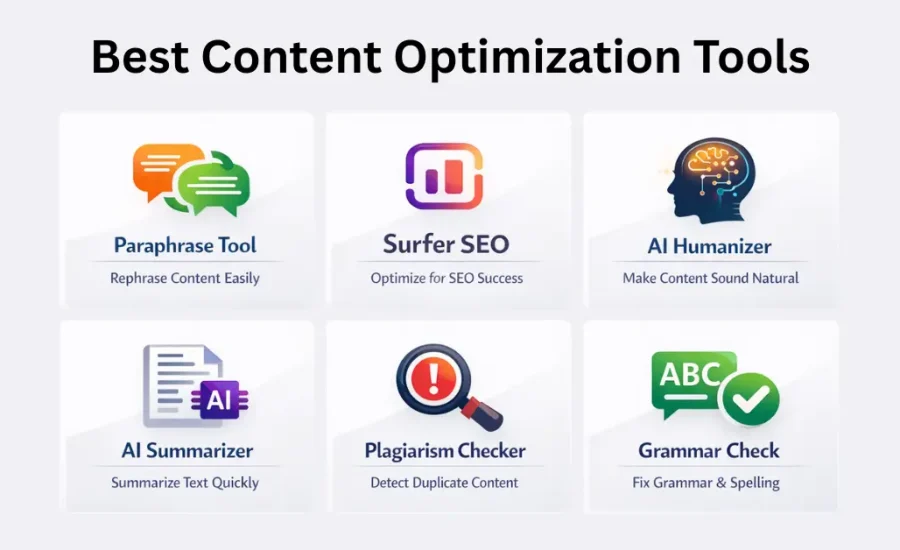
Surfer SEO
Surfer SEO has grown from a content optimisation platform into a powerful research tool.
Its AI-driven keyword discovery identifies semantic phrases that frequently appear together across ranking pages. When researching topics, the tool builds clusters that can support entire blog categories rather than isolated articles.
Surfer is particularly useful when creating long-form pillar content supported by related articles.
Key strengths includethe following things :
• semantic keyword clustering
• NLP-based keyword suggestions
• competitor page analysis
• content gap insights
Many SEO teams combine Surfer with other AI SEO keyword research tools to refine strategy further.
SEMrush AI Keyword Tools
SEMrush has integrated AI features throughout its research workflow.
Its keyword platform identifies not only search volume but also emerging queries based on user behaviour and competitor trends.
For agencies managing multiple clients, the platform is valuable because it provides:
• keyword difficulty forecasting
• intent analysis
• competitor keyword gap reports
• local search data insights
These capabilities make it one of the strongest platforms for AI powered SEO keyword research.
Ahrefs Keyword Explorer with AI Insights
Ahrefs remains one of the most reliable data sources in SEO. Over the past few years, the platform has introduced AI features that improve its research workflow.
One particularly useful feature identifies parent topics. Instead of targeting dozens of minor variations, you can identify the central topic capable of ranking for multiple queries.
Ahrefs also helps uncover long tail keyword research opportunities, which often convert better than high-volume terms.
For marketers focused on content strategy, this perspective is extremely useful.
Frase
Frase focuses on understanding how users phrase their questions. This makes it particularly effective for voice-search driven research.
The platform analyses search results and extracts questions, subtopics, and conversational phrases that frequently appear in real searches.
Because of that capability, Frase is widely used for AI content research and keyword discovery.
Many writers also rely on Frase when creating FAQ sections designed to rank in featured snippets.
MarketMuse
MarketMuse approaches keyword research differently.
Rather than simply suggesting keywords, it evaluates topical authority. The platform scans a website and identifies missing content areas that competitors have already covered.
For businesses building authority in competitive industries, MarketMuse helps create structured topic cluster SEO strategies.
It is particularly helpful for identifying:
• content gaps
• topic authority scores
• competitive keyword coverage
This approach makes it ideal for long-term AI driven SEO planning.
How to Use AI Tools for Smarter Keyword Research
Owning a tool does not automatically produce results. The strategy behind the research still matters.
A simple process often works best.
Step 1: Identify Core Topics
Start with broad topics related to your industry. AI tools will expand those into clusters of related queries.
Step 2: Study Search Intent
Look at the type of content already ranking. This reveals what search engines believe users want.
Step 3: Find Content Gaps
Competitor analysis can uncover keywords that competitors rank for but your site does not.
Step 4: Build Topic Clusters
Instead of publishing isolated blog posts, organise content into clusters connected to a central pillar article.
This structure supports AI SEO content strategies that search engines increasingly favour.
The Role of Long-Tail Keywords in AI SEO
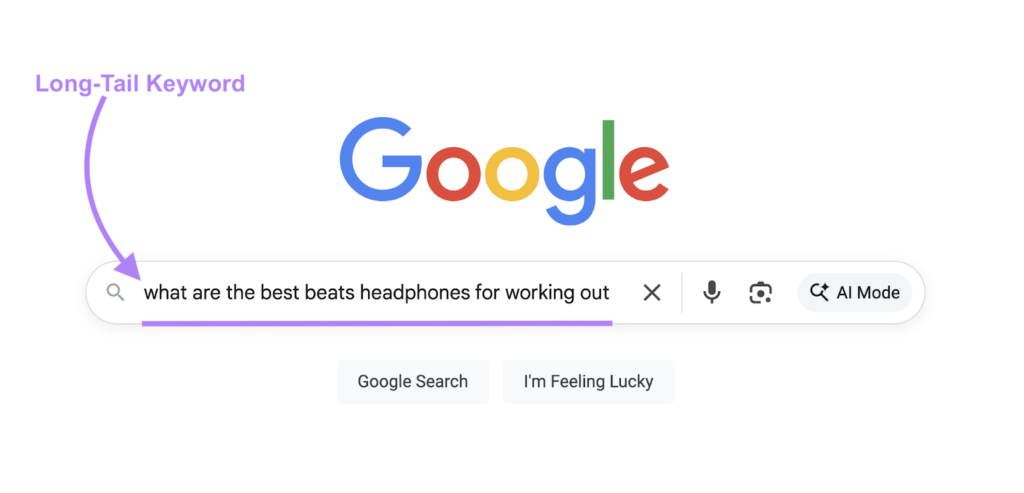
Short keywords are competitive. They attract massive search volume but often require significant authority to rank. Long-tail keywords work differently .
They use to reflect specific intent and frequently convert better. AI tools excel at identifying these opportunities because they analyse conversational search patterns.
Examples often include phrases tied to real problems, such as:
• how to improve local SEO visibility
• tools for technical SEO analysis
• keyword research for small business websites
Targeting these queries supports advanced keyword research strategies that build traffic gradually but consistently.
How AI Helps Predict Search Trends
Another advantage of AI-based keyword research is predictive analysis.
Instead of only analysing existing data, AI models detect patterns within growing search behaviour.
For example, rising interest in voice search has dramatically increased question-based queries. AI tools detect these shifts early, allowing marketers to create content before competition increases.
This proactive approach helps build future-focused SEO keyword strategies rather than reacting after trends peak.
Common Mistakes When Using AI Keyword Tools
Even experienced marketers sometimes misuse the application of these tools. One common mistake is chasing only high-volume keywords. Volume alone rarely determines value.
Another issue is ignoring search intent. A keyword may attract traffic but still fail to convert if the content does not match the user’s goal.
Finally, some teams publish too many similar articles. AI clustering features exist specifically to prevent that problem.
Effective SEO relies on structured keyword research frameworks, not scattered blog posts.
The Future of AI Keyword Research
Search engines increasingly rely on machine learning to interpret context and meaning. Because of that shift, keyword research will continue moving toward topic analysis rather than isolated phrases.
AI tools will likely expand their capabilities to include:
• predictive search modelling
• automated content gap detection
• real-time ranking probability estimates
For marketers, this means keyword research will become less about spreadsheets and more about strategy.
Understanding the user’s intent behind a query will matter far more than simply identifying the phrase itself.
What is the best AI tool for keyword research in 2026?
Several platforms are widely used, including Surfer SEO, SEMrush, Ahrefs, Frase, and MarketMuse. Each tool offers unique insights such as intent analysis, topic clustering, and competitor keyword discovery.
Can AI tools replace manual keyword research?
AI tools helps to accelerate research and uncover hidden opportunities, but human analysis still remains essential. Marketers still need to evaluate search intent, competition, and content relevance.
Are AI keyword tools useful for local SEO?
Yes. Many platforms analyse location-specific queries and reveal niche searches businesses can target, especially for regional markets and service-based industries.
How do AI tools find long-tail keywords?
AI analyses large datasets of search queries and identifies patterns in how people phrase questions. This helps uncover conversational queries that traditional keyword tools often overlook.
Do AI keyword tools improve SEO rankings?
They help identify better opportunities, but rankings still depend on content quality, site authority, and technical optimisation.
About Author: