Technical SEO rarely fails because of strategy. It usually fails because issues remain hidden in large volumes of data. That is where AI tools for technical SEO audits have started changing the way professionals approach site analysis. Instead of manually checking crawl errors, indexing problems, or page speed issues, AI-powered systems now scan thousands of pages, identify patterns, and highlight the root causes much faster.
For businesses running websites in Toronto, this shift has practical implications. Competitive markets mean that technical mistakes cost rankings quickly. AI-based auditing tools allow teams to detect structural problems early and prioritize fixes before they affect organic visibility.
This article looks at how AI supports technical SEO audits, which tools provide real value, and how experienced professionals integrate them into real workflows.
Why Technical SEO Audits Matter More Than Ever
Search engines have now become an extremely sensitive to technical signals. Few years back , websites could still rank with imperfect structures. Today, a slow loading page, crawl traps, and indexing confusion will quietly reduce the visibility of your page.
A technical audit typically reviews several areas such as :
• Crawlability
• Indexing
• Site structure
• Internal linking
• Page speed of the website
• Structured data
• Mobile performance
Manually auditing these elements across hundreds or thousands of URLs can take days. AI helps compress that process dramatically.
Instead of checking issues one by one, modern tools analyze site-wide patterns and highlight problems that humans might overlook.
For example, AI can detect the following things :
• Clusters of thin the pages
• Duplicate templates causing the index dilution
• Internal linking gaps
• JavaScript rendering problems
The result is not just faster analysis but better prioritization.
What Makes AI Different From Traditional SEO Tools
Traditional SEO tools already crawl websites. However, they mostly report raw data.
AI-powered systems interpret that data.
That difference matters.
Rather than listing thousands of warnings, AI tools identify relationships between issues. For example:
A crawl error might not matter individually. But if hundreds of similar pages fail because of the same template error, AI tools can flag that pattern instantly.
This is where platforms focused on technical SEO automation have started gaining attention.
They evaluate:
• site architecture
• rendering behaviour
• internal link equity flow
• semantic page similarity
The output becomes more actionable.
Instead of overwhelming reports, SEO teams receive prioritized insights.
Key Capabilities of AI Tools for Technical SEO Audits
AI-based audit tools are useful because they handle several technical areas simultaneously.
Intelligent Crawl Analysis
Crawlers used to simply list the broken links or the missing tags.
Now, AI-driven crawlers analyze how pages interact across the site.
They identify structural problems like:
• orphan pages
• excessive crawl depth
• inefficient navigation paths
This helps maintain a strong website crawlability audit process.
Automated Indexation Monitoring
Many sites unknowingly index unnecessary pages such as :
• Filtered URLs
• Parameter duplicates
• Pagination variations
AI tools helps in studying and analyze indexing behavior and then highlight pages that dilute ranking signals. This improves search engine indexing optimization without needing manual review of every URL.
Internal Linking Pattern Detection
Internal linking influences how search engines distribute authority across pages. AI models analyze link graphs to identify :
• Pages receiving the weak internal support
• Clusters with the excessive links in it.
• Important pages that are buried deep in the structure.
These insights strengthen the internal linking strategy for SEO.
Page Experience Diagnostics
Google’s ranking systems rely heavily on user experience signals.
AI tools combine multiple data points to evaluate:
• page speed metrics
• layout shifts
• mobile rendering
• server response times
This helps maintain strong core web vitals optimization across large sites.
Popular AI Tools Used for Technical SEO Audits
Many platforms now integrate AI features, but only a few provide practical technical insights.
Below are tools commonly used by professional SEO teams.
Screaming Frog with AI integrations
This crawler tool has been widely used by the people for years. With AI integrations and automation scripts, it can now:
• categorize page templates
• detect duplicate content patterns
• identify rendering problems
It remains valuable for detailed site structure analysis.
JetOctopus
JetOctopus focuses on large-scale technical analysis.
It combines crawl data with server logs and uses AI to identify crawl waste. This makes it highly effective for improving search engine crawl budget optimization.
Sitebulb
Sitebulb presents audit data visually.
AI-driven hints help explain why certain technical issues matter. This makes it useful for diagnosing technical SEO performance issues.
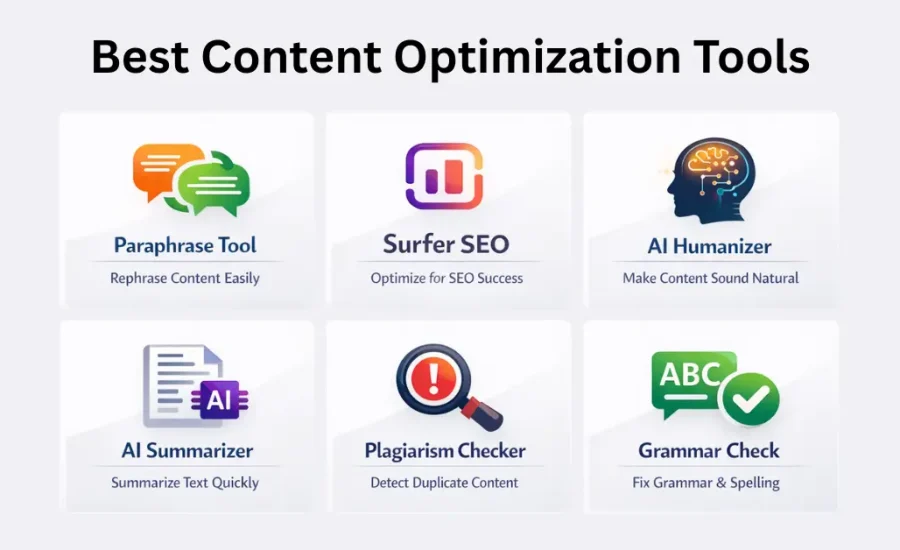
Surfer AI Audit Features
Although widely known for content optimization, Surfer’s AI analysis also detects structural issues affecting rankings.
It helps identify pages with semantic SEO relevance gaps.
How SEO Professionals Actually Use AI in Technical Audits
The biggest misconception is that AI replaces SEO expertise.
In practice, experienced professionals use AI as a diagnostic assistant
A typical workflow usually looks like this :
- Crawl the entire site using an AI-enabled crawler
- Identify structural anomalies and template errors
- Validate findings using log data
- Prioritize fixes based on impact on rankings
- Monitor changes after implementation
AI seems to speeds up step one and step two significantly . But decision-making still depends on the human understanding of search behavior.
Real Example: Fixing Hidden Crawl Problems
A mid-sized e-commerce website once experienced a gradual drop in their rankings. Manual checks showed that there is no obvious errors.
But an AI crawler detected a pattern : thousands of category filter pages were being crawled and indexed.
These URLs consumed crawl budget and diluted internal link equity.
After blocking the parameters and restructuring navigation, indexing stabilized and rankings recovered within weeks.
Without AI detection, the issue would have taken far longer to identify.
Local SEO and Technical Audits
Technical SEO becomes even more important for location focused businesses.
A service provider operating in Hamilton must have to ensure that the search engines correctly understand the service pages, location signals and structured data.
AI audit tools help detect:
• incorrect schema markup
• duplicate local landing pages
• inconsistent NAP references
This improves local search visibility optimization.
The Role of AI in Future SEO Audits
Search engines are now increasingly relying on the machine learning systems.
SEO tools are adapting in the same direction. In the near future, AI auditing tools will likely to be :
• Simulating search engine crawling behavior
• Predicting ranking impact of technical changes
• Recommending architecture improvements in the website automatically.
Businesses competing in Ontario markets may have to rely heavily on these predictive insights to stay ahead in the game.
Limitations of AI in Technical SEO
Despite their advantages, AI tools are not perfect.
They may:
• misinterpret JavaScript frameworks
• misclassify page templates
• flag non-critical issues as urgent
This is why experienced SEO professionals still review audit findings manually.
AI improves efficiency. It does not replace expertise.
Practical Tips When Using AI Tools for Technical SEO Audits
Professionals who get the most value from these tools follow a few practical habits.
First, never rely on a single crawler. Different tools reveal different technical patterns.
Secondly it combines crawl analysis with a real user data .
Third is that it validates the issues using a server logs whenever its possible.
Finally, always evaluate whether a technical fix will actually influence rankings. Not every issue matters equally.
The strongest technical SEO strategy focuses on impact, not just fixing warnings.
Conclusion
Technical SEO has always required careful investigation. What has changed is the scale of modern websites and the complexity of search engine algorithms.
AI tools for technical SEO audits make it possible to analyze large websites quickly and detect patterns that would otherwise remain hidden. They assist with crawl analysis, indexing diagnostics, internal linking insights, and performance monitoring.
However, tools alone do not produce results. The real advantage comes when AI insights are combined with experienced SEO judgment and structured workflows.
For businesses competing in search results across Canada, maintaining a technically healthy website is no longer optional. It is part of staying visible in increasingly competitive search landscapes.
What are AI tools for technical SEO audits?
AI tools for technical SEO audits are software platforms that analyze websites using machine learning. They scan pages, identify crawl issues, detect indexing problems, and highlight structural weaknesses that affect search rankings.
How do AI tools help improve technical SEO?
AI tools analyze large amounts of site data very quickly. They are quick to identify patterns such as duplicate pages, weak internal linking, or crawl budget waste, allowing SEO professionals to prioritize fixes more effectively.
Are AI SEO audit tools better than traditional SEO tools?
AI tools are not necessarily better, but they provide deeper analysis. Traditional tools mainly report data, while AI systems interpret patterns and highlight the most impactful issues.
Which AI tools are commonly used for technical SEO audits?
Some commonly used tools include Screaming Frog, JetOctopus, Sitebulb, and Surfer AI. These platforms help analyze crawlability, site structure, indexing signals, and performance metrics.
Do AI tools replace SEO experts?
No. AI tools assist with data analysis, but SEO professionals still interpret the findings and decide which optimizations will improve rankings.
About Author: