











For any Digital Marketing Agency in Hamilton , businesses trust to deliver results and the reality is undeniable how answering question keywords helps SEO defines modern search behavior, because users search with intent, questions, and problems, not marketing jargon.
Most small and mid-sized businesses still approach SEO with a narrow mindset. They usually choose one or two high search volume keywords and invest majorly in ranking for them, and hope traffic magically turns into revenue. When that doesn’t happen, frustration sets in and SEO gets blamed.
What’s often overlooked is a much larger, more reliable opportunity: answering question-based keywords.
Search behavior has evolved. Now a days users are no longer just typing short phrases but they are actually asking detailed long questions. They want clear explanations, a comparison table to have a quick understanding , costs, timelines, and solutions for their problems in as easy words as possible . And businesses that consistently answer those questions are the ones winning visibility, trust, and conversions.
This strategy is not about gaining traffic for vanity metrics . It’s about attracting the right visitors and users who are actively looking for clarity and are closer for making a decision.
Why Question Keywords Are a Hidden SEO Advantage

While many companies compete aggressively for keywords like “SEO services” or “marketing agency,” customers are searching for things such as :
- What is the correct SEO strategy and method for local businesses?
- How much time does SEO takes to show the results?
- Is hiring an SEO agency actually worth it?
These searches may show lower monthly volume, but the intent behind them is extremely strong. Someone asking a detailed question isn’t browsing—they’re researching, evaluating, and preparing to act.
That’s exactly why question-based keywords often convert better than the generic ones . They attract visitors who already know what they’re looking for and are actively seeking guidance or solutions—not just casually browsing for information.
What Are Question Keywords (And Why They Work So Well)?
A traditional keyword is usually short and competitive—something like an SEO agency in Toronto. These keywords show commercial intent, but they’re crowded and expensive to rank in Google or any other search engine.
Question keywords, on the other hand, are longer and more conversational . They often begin with:
- Who
- What
- Where
- When
- Why
- How
For example:
- How does local SEO help small businesses?
- Why is my website traffic dropping?
- What SEO strategy works best for service businesses?
These are considered long-tail keywords, and while each one may only receive a small number of searches per month, they attract visitors who are highly qualified.
Fifty people searching a specific question are often far more valuable than 5,000 people browsing a generic term.
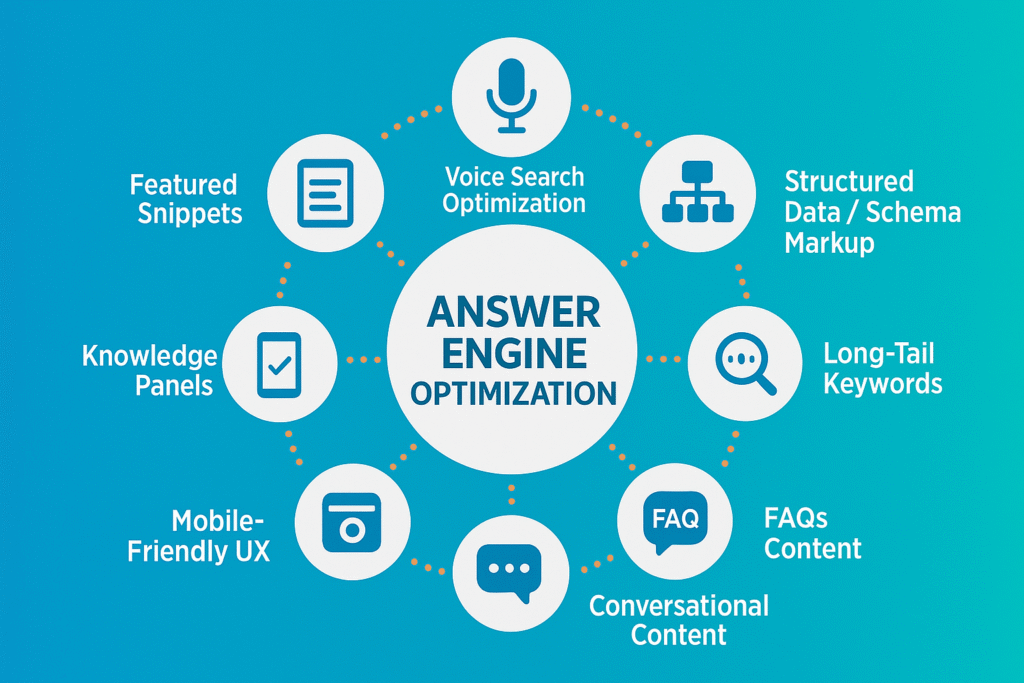
Google’s Shift From Search Engine to Answer Engine

Google’s goal has never changed : keeping users satisfied so they can continue using the platform and to do that, Google now focuses heavily on user intent—the reason behind a search, not just the words used.
When someone types a question, Google assumes they want a clear, direct answer. Websites that deliver that answer efficiently are rewarded with better visibility.
That’s why you now see:
- Featured snippets
- People Also Ask boxes in search results
- Instant answers at the top of search results
Google wants to show answers immediately. If your content aligns with that goal, your chances of ranking improve dramatically even if your website isn’t the biggest or oldest.
Featured Snippets: The Real SEO Shortcut
Featured snippets as usually referred to as Position Zero , appear above the standard organic search results. They draw a concise, direct answer from a webpage and display it prominently, making the information instantly visible to searchers.
Here’s the key insight:
You don’t need to rank #1 to win a featured snippet.
If your page provides the clearest, most structured answer to a specific question , Google may select it even if your site is ranking lower than others.
For small and medium-size businesses in cities like Hamilton and Toronto, this levels the playing field . Instead of competing with massive brands on broad keywords, you can dominate focused questions that larger companies often ignore.
Voice Search Is Making Question Keywords Essential

Search is no longer limited to typing. Voice assistants like Google Assistant and Siri have changed how people look for information.
Typed searches like:
“SEO strategies”
Become voice searches like:
“What SEO strategies work best for local businesses in Toronto?”
Voice searches are conversational by nature.They fully depends upon the natural language and complete questions. Content that answers these queries clearly is far more likely to be selected by Google or any other trustworthy voice assistants .
Optimizing for question keywords isn’t just good SEO—it’s future-proofing your visibility.
How to Find the Right Question Keywords
You don’t need advanced tools to discover valuable questions. Some of the best insights come directly from Google itself.
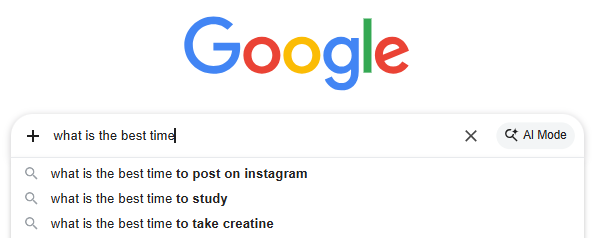
Google Auto-Suggest
Start typing a phrase related to your service and watch what Google suggests. These suggestions are based on real user searches.
“People Also Ask” Section
Search any core keyword and explore the questions Google shows. Clicking one reveals even more related questions, making it easy to map out months of content ideas .
Customer Conversations
Listen to how customers explain their problems and issues . The language they use most of the time differs from industry jargon—and that language is exactly what they type into search engines.
How to Structure Content for Question-Based SEO
Answering questions doesn’t mean dumping everything into a long FAQ page that no one reads.
Instead:
- Use clear H2 or H3 headings with the actual question that you are putting
- Provide a concise and short answer immediately in the very 1st line
- Expand with explanation, examples, and context
This approach reduces bounce rates and improves engagement—two signals Google strongly values.
A good rule to follow is the inverted pyramid:
Answer first, explain second.
Why Question Keywords Build Trust (Not Just Traffic)
Traffic alone doesn’t grow a business . When someone lands on your site and finds a helpful answer instead of a sales pitch, their guard drops immediately . You are not just selling but actully helping at a very initial stage thus increases the trust of the first time crawler.
That shift in perception is powerful and very convincing.
People don’t remember ads but they remember who solved their problem or answer their question .
This is especially important for service businesses. Whether someone is looking for an SEO agency in toronto or evaluating marketing options in Hamilton, they’re far more likely to contact the company that educated them first.
Measuring the Real Impact of Answer-Based SEO
Success isn’t just about total traffic numbers. To evaluate this strategy properly, look at:
- Organic traffic to question-based pages
- Total time spent on those pages overall.
- Rankings for long-tail keywords
- Conversion actions (calls, forms, emails)
Google Search Console (GSC) is particularly valuable here. It often shows that your website is ranking for questions you never deliberately targeted, which is a clear sign that Google views your content as credible, informative and authoritative .
Over time, these pages also become an excellent internal linking opportunities to your core service pages.
Why This Strategy Works Long-Term
SEO tactics come and go. Algorithms change. Shortcuts stop working.
But one thing remains constant: people always have questions.
Businesses that consistently answer those questions earn:
- Higher trust
- Good engagement
- Stronger brand authority
That’s why answering question keywords has remained one of the most reliable SEO strategies for decades.
Final Thoughts on Question Keywords and SEO
SEO doesn’t need to be complicated and tricky . Your audience is already telling you what they want by the questions they search and ask every day. Your job is simply to answer in as easy words as possible that too better than anyone else.
If you want to explore more practical SEO strategies like this, visit our blog page and keep learning what actually works.
FAQs
How does answering question keywords help SEO performance?
Answering question keywords helps SEO by aligning your content with real user intent. When users search detailed questions, Google prioritizes pages that provide clear, direct answers. This improves rankings, increases visibility in featured snippets, and attracts visitors who are closer to making a decision—leading to higher engagement and conversions.
Why are question-based keywords better than high-volume SEO keywords?
Question-based keywords may have lower search volume, but they attract highly qualified traffic. Users asking specific questions are usually researching solutions, costs, or timelines, making them more likely to convert compared to users searching broad, competitive keywords.
How do question keywords help small businesses rank on Google faster?
Question keywords face less competition than generic keywords. Small and mid-sized businesses can rank faster by answering focused questions clearly and directly, even without high domain authority. This makes question-based SEO ideal for local businesses competing against larger brands.
Can answering questions help my website appear in featured snippets?
Yes. Google selects featured snippets from content that provides the clearest, most structured answer to a specific question. Using question-style headings, concise first-line answers, and simple explanations significantly increases your chances of appearing in “Position Zero.
Is answering customer questions good for voice search and AI search results?
Absolutely. Voice search and AI-driven results rely on natural language and complete questions. Content that directly answers “how,” “why,” and “what” questions is more likely to be selected by voice assistants and AI search engines, making this strategy future-proof for evolving search behavior.