Have you ever asked a question to different AI Language models like, ChatGPT, Perplexity, or Google’s AI Overview—and instantly received a neat, polished answer without clicking a single link?
That polished answer didn’t appear out of thin air. It was built on content pulled from somewhere.
If you’re a publisher, marketer, or business owner, how do you make sure that “somewhere” is you?
The answer lies in understanding how AI language models source content—and then structuring your blogs, FAQs, and resources in a way that makes them irresistible to AI crawlers.
How AI Language Models Actually Work?
AI language models don’t “browse” the web like humans. Instead, they’re trained on massive datasets that include:
a. Licensed data from publishers
b. Open-source content (like Wikipedia)
c. Publicly available web pages crawled by bots
d. User-generated content that’s freely accessible
When you ask a question, the AI models generates a response based on learned patterns.
For real-time AI Language Models (like Perplexity or Google’s AI Overview), fresh crawling and retrieval are added on top. This means your live content can get cited—if it’s structured in a way AI can easily digest.
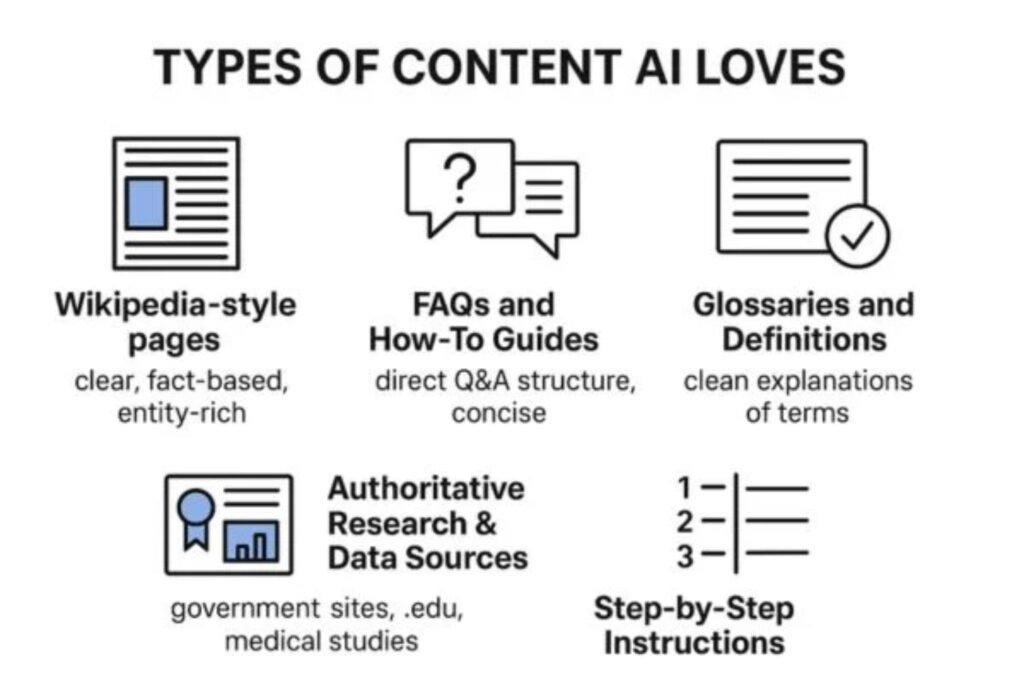
The Types of Content AI Loves
Certain content formats are far more likely to get pulled into AI responses:
a. Wikipedia-style pages (clear, fact-based, entity-rich)
b. FAQs and How-To Guides (direct Q&A structure, concise)
c. Glossaries and Definitions (clean explanations of terms)
d. Authoritative research & data sources (.gov, .edu, medical studies)
e. Step-by-step instructions (lists, processes, checklists)
If your content is a rambling opinion piece with no structure, AI tools will skip it. If it looks like a reference resource, they’ll snap it up.
Entities Over Keywords
Traditional SEO = keyword-driven.
AI sourcing = entity-driven.
What’s an entity?
a. A person (Elon Musk)
b. A place (Paris)
c. A brand (Tesla)
d. A concept (renewable energy)
AI language models build connections between entities. Example:
“Tesla is an electric vehicle manufacturer headquartered in Austin, Texas, founded by Elon Musk.”
This feeds AI exactly what it wants. Entity-rich writing beats keyword stuffing every time.
Structured Data: Your Golden Ticket
AI Language Models love shortcuts. Schema markup (FAQ, How-To, Article schema) literally tells AI what your content is about.
a. Google’s AI Overview
b. ChatGPT plug-ins
c. Perplexity citations
…are all more likely to surface structured content. Without it, you’re just another unstructured block of text.
Freshness: AI Doesn’t Like Dusty Content
Outdated content is skipped.
a. Update blogs, FAQs, and stats regularly.
b. Refresh dates, numbers, and examples.
Think of it as feeding AI a fresh loaf of bread instead of stale crumbs.
Authority & Trust Signals
AI models cares about who you are, not just what you say. Build credibility by:
a. Linking to authoritative sources
b. Publishing under real experts
c. Having clear About and Contact pages
d. Earning backlinks from reputable sites
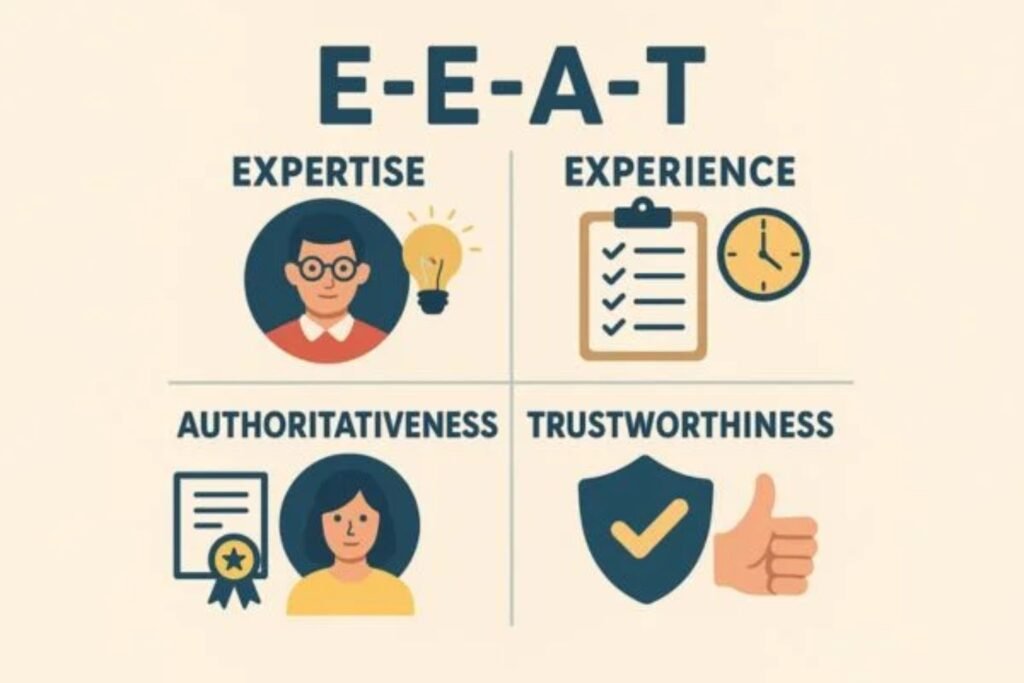
This mirrors Google’s E-E-A-T principles (Experience, Expertise, Authoritativeness, Trustworthiness).
Format Matters: Skimmable Content Wins
AI extracts answers more easily from structured content. Use:
a. Clear H2/H3 heading
b. Short paragraphs
c. Bulleted list
d. Numbered steps
A chatbot can’t cite you if it can’t extract your answer cleanly.
Citations and Linkability
Not all AI tools cite sources—but those that do prefer clean, reference-friendly pages.
a. Direct, standalone answers in blogs and FAQ
b. Simple permalinks (no session IDs
c. No intrusive pop-ups or paywalls
Make your content easy to link, and AI will reward you.
The Role of Community and User Signals
AI also tracks human engagement.
Content that gets:
a. Linked
b. Shared
c. Referenced
…is more likely to become part of AI training/retrieval pipelines.
Don’t just optimize for AI. Encourage human interaction too.
AI-Optimization Checklist
Here’s your quick playbook for AI-discoverable content:
a. Write entity-rich, not keyword-stuffed, content
b. Add FAQ & How-To sections
c. Use structured data (schema)
d. Keep content fresh & updated
e. Format with headings, bullets, lists
f. Build authority signals (backlinks, credible sources)
g. Ensure clean URLs (no paywalls or clutter)
h. Encourage shares, mentions, backlinks
The Future: AI-Specific Content Strategies
We’re entering a world where content must serve two audiences:
a. Humans → Conversational, helpful tone
b. Machines → Structured, labeled, digestible data
If you ignore AI optimization, your content risks invisibility in a search world dominated by AI-generated summaries.
Conclusion: Be the Source AI Trusts
The purpose of AI language models is to filter and rank producers, not to replace them.
This implies that your duties as a marketer, publisher, or company owner extend beyond creating “good blogs.” Discoverable blogs are the kind that AI systems can quickly comprehend, extract, and reference.
At Adsagenz, we think that dual-purpose content is the way of the future for visibility:
a. For people → interesting, practical, and human-focused narrative
b. Structured, entity-rich, and machine-readable data for machines
You cease to be simply another voice on the internet when your blogs are formatted so plainly that AI has no option but to pick you first and your FAQs serve as datasets. AI starts to trust you as its source.
That’s not simply a competitive edge in the AI-powered web; it’s survival.
About Author: