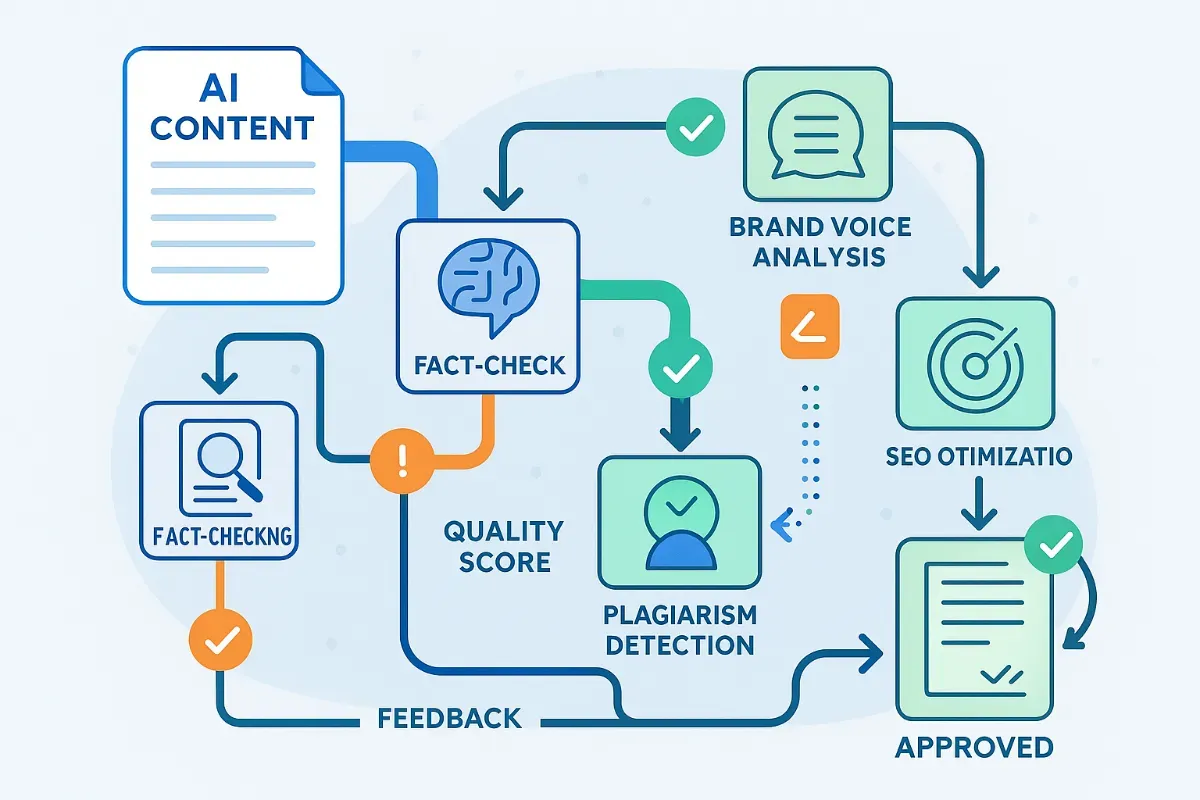
AI SEO is rapidly reshaping how websites grow their search visibility.
Brands, creators and businesses who once spent months researching keywords, adjusting content, and tracking ranking signals can now move faster with machine learning tools that support every stage of organic growth.
The challenge is learning how to use these tools with accuracy, clarity and confidence while still maintaining a human standard of writing that satisfies modern search systems.
This guide explains how AI SEO works, why it matters for ranking speed, and how you can apply practical methods used by high performing websites.
The focus here is real improvement, not shortcuts or automation tricks.
Search engines continue to prioritize helpful content, and AI becomes powerful only when paired with genuine experience, clarity and trustworthy information.
Below you will find a structured walkthrough designed for featured snippets, question based searches, and long term topical strength.
What Is AI SEO?
AI SEO refers to the use of artificial intelligence tools to create, analyze and refine content that aligns with ranking signals used by search engines.
These systems process patterns faster than humans can.
They review search behavior, compare phrasing trends, detect topic gaps, and study thousands of results at once.
Humans, on the other hand, excel at real experience, depth and clarity.
When the two are combined, content gains higher search value and stronger trust.

The need for AI SEO has grown for two reasons:
First, search engines now reward writing that answers questions directly and with visible expertise.
Second, content growth has accelerated across industries, increasing competition for almost every keyword.
AI supports faster ranking by reducing research time and revealing content angles that humans might overlook.
When these insights are shaped by strong writing, the outcome is content that stands out for its clarity and usefulness.
How AI SEO Strengthens Your Content Quality?
Search engines evaluate content through several quality signals.
These signals shape what appears on the first page and what earns featured snippets.
AI tools help refine each of these signals by processing large data patterns, but the human writer guides direction, tone and accuracy.
Below are the core areas where AI SEO adds value.
A. Topic Understanding at Scale
AI systems can read hundreds of pages around a topic and summarize how searchers ask their questions.
This helps writers understand the depth required to stand out. A single keyword often carries multiple layers of meaning.
Without AI, identifying all related questions can take hours. With AI SEO, clusters of intent form within seconds.
For example, a query like AI SEO branches into:
• How AI tools support keyword research
• How AI assists content updates
• How AI analyzes user behavior
• How AI identifies ranking opportunities
• How AI shapes on-page refinement
This full spectrum view supports more complete and helpful content.
B. Patterns in High Ranking Content
AI can scan the top pages for any keyword and reveal shared traits, such as:
• Sentence rhythm
• Heading variation
• Level of specificity
• Use of examples or practical steps
• Keyword distribution
• User intent coverage
This forms a model of what readers expect. Writers then apply that structure while adding unique experience that builds trust.
C. Detection of Content Gaps
Most pages fail to rank not because of poor writing but because they miss smaller details that search systems consider valuable.
AI tools spot gaps such as:
• Missing subtopics
• Weak supporting questions
• Lack of contrast between related ideas
• Insufficient real experience
• Abrupt transitions
• Missing definitions for terms that beginners seek
Addressing these gaps boosts search clarity and relevance.
D. Stronger Alignment with Search Intent
AI helps writers match content with the intent behind each keyword.
Someone searching AI SEO tools expects lists and features.
Someone searching how AI helps SEO expects explanations.
Someone searching AI SEO case study expects practical results.
AI tools detect the hidden structure inside these intent variations.
The writer then shapes the content with a natural rhythm that fits the reader’s expectations.
Also Read: How AI Language Models Source Content?
How to Use AI SEO Tools for Faster Keyword Research?
Strong keyword research lays the foundation for any page that aims to rank faster.
While traditional research tools still matter, AI adds deeper context and reveals new angles.
Below are methods to support high quality research without slipping into over-automation.
A. Start with User Questions
Search engines increasingly highlight pages that answer direct questions.
AI models can analyze thousands of searches and reveal which questions appear frequently, such as:
• What is AI SEO?
• How does AI help ranking?
• Are AI SEO tools accurate?
• How do AI systems read content
• How does AI improve technical performance?

These questions often feed featured snippets and People Also Ask sections.
B. Build Keyword Clusters with Intent Groups
AI tools categorize related keywords into task based clusters.
For example, AI SEO may connect with:
• SEO automation
• machine learning content tools
• question based content structure
• search visibility improvement
• content scoring analysis
• ranking prediction models
These clusters help writers create pages that maintain topical depth. The more complete the topic, the greater the potential for ranking.
C. Identify Low Competition Opportunities
AI SEO tools can detect uncommon phrasing or gaps in search results. For example, long phrases like:
• practical AI SEO examples
• AI SEO writing steps
• human AI hybrid content
• real experience in AI SEO
• AI SEO workflow guide
These rarely have saturated competition, which speeds up ranking.
D. Discover Keyword Variations from Real Conversations
Large language models reveal phrasing used by real people in natural dialogue. This improves content authenticity. Phrases such as:
• How can AI help me rank faster?
• Which AI tools are accurate?
• Can AI replace human SEO work?
These conversational variations help the page appear for broader search patterns.
How AI SEO Enhances On Page Structure for Search Engine?
Content structure affects ranking speed because it shapes user understanding.
AI SEO tools help refine layout, but the human writer guides the final tone and depth.
Below are structure techniques favored by both AI models and search engines.
A. Use Short, Clear Sections with Direct Answers
Search engines reward clarity. AI models can predict which sentences are likely to be extracted as snippets. These sentences usually:
• Start with a clear definition or explanation
• Remain concise
• Avoid filler terms
• Stand alone without previous context
Each section in this guide begins with a clear direct answer to support snippet probability.
B. Use Question Based Headings
This aligns with how users search and supports LLM SEO strategy. Examples include:
• What is AI SEO
• How do AI tools support keyword research
• How does AI improve technical performance
• How does AI assist link building
This structure helps the page appear for long tail queries.
C. Create Logical Step by Step Processes
AI models detect whether a page provides helpful progression. Steps create clarity and help search engines understand content purpose.
Example:
- Research intent
- Build clusters
- Structure headings
- Write core content
- Validate through AI tools
- Update based on performance
D. Improve Readability with Plain Language
Many AI written pages fall into complex jargon or repetitive phrasing.
This weakens trust. Plain language builds authority.
Readers stay longer, and search systems pick up this engagement pattern as a strength signal.
How AI SEO Improves Technical Performance?
Technical factors influence how fast a page ranks because they shape how search engines read and interpret content.
AI tools help detect issues early so writers and site owners can fix them before publishing.
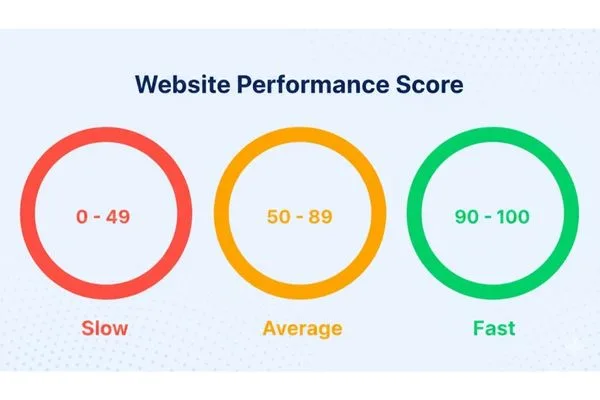
A. Page Speed Checks
AI systems can analyze loading time and highlight issues related to:
• oversized media
• inefficient scripts
• poor caching
• layout shifts
Faster pages gain quicker indexing and stronger user engagement.
B. Indexing Pattern Analysis
AI SEO tools review how search engines crawl similar pages. They help site owners adjust:
• URL patterns
• internal links
• content organization
• sitemap structure
This reduces delays in ranking.
C. Content Freshness Monitoring
Search engines look for current information. AI tools can track industry shifts and flag old sections that require updates.
D. Structured Data Assistance
AI tools can recommend appropriate schema types. This improves clarity for search engines, helping pages appear in rich results.
How AI SEO Shapes Off Page Signals?
Off page signals remain essential for ranking growth. AI tools strengthen these signals by supporting smarter decisions without resorting to spam or shortcuts.
A. Identifying Relevant Link Sources
AI systems recognize patterns in link quality. They can classify potential websites based on:
• topical relevance
• authority indicators
• audience match
• historic consistency
This protects websites from harmful links.
B. Analyzing Brand Mentions
AI tools detect where a brand appears across the web and whether the context matches brand values. This helps strengthen context signals used by search engines.
C. Improving Digital PR Content
Drafting high quality editorial content becomes easier with AI assistance. Writers can use AI to:
• gather statistics
• structure press releases
• support story angles
• refine clarity
Human expertise then shapes the final narrative.
The Human Role in AI SEO: Why E.E.A.T Still Matters?
AI generated content alone does not guarantee ranking. Experience, expertise, authority and trust (E.E.A.T) remain central.
Search engines evaluate human signals that AI cannot fabricate consistently.
A. Real Experience
Writers who speak from real situations add credibility. Describing:
• workflows used
• challenges faced
• results observed
• mistakes avoided
These elements help readers connect with the content.
B. Expertise in Interpretation
AI can gather data but humans interpret meaning. Readers depend on expert interpretation to make decisions.
C. Authority Through Consistency
Publishing a helpful volume of content around a topic builds authority. AI accelerates this, but human oversight preserves quality.
D. Trust Through Transparency
Clear explanations, simple language and practical examples build trust with readers.
Step by Step AI SEO Workflow for Faster Ranking
Below is a practical workflow that businesses, writers and marketers can follow.
Step 1: Analyze Search Intent
Use AI tools to identify user questions and reason for searching.
Step 2: Build Keyword Clusters
Organize related terms into topic groups that form a complete page.
Step 3: Create Your Outline with Question Based Sections
Creating an outline that is question based will helps both users and search engines understand the structure.
Step 4: Write the Core Content in Human Tone
AI can assist with phrasing, but the writer adds stories, clarity and experience.
Step 5: Validate Content with AI Scoring Tools
Check readability, missing subtopics and ranking signals.
Step 6: Add Structured Data
Use schema to improve visibility.
Step 7: Publish and Monitor
AI SEO tools can monitor ranking changes and spotting patterns that require adjustments.
Step 8: Refresh Content
AI tools can detect outdated sections and help rewrite them.
Common Mistakes to Avoid with AI SEO
These mistakes slow down ranking instead of helping it.
A. Relying Entirely on AI Generated Text
This leads to generic content that lacks depth and real human perspective.
B. Overstuffing Keywords
AI tools may suggest too many variations. Writers must control placement for clarity.
C. Publishing Without Technical Review
Content that loads slowly or lacks structure risks losing visibility.
D. Ignoring User Behavior Signals
AI tools track engagement. High bounce rates signal poor content alignment.
E. Producing Content Too Quickly
Quality still matters. Rushing can weaken trust.
Future Outlook for AI SEO
AI will continue shaping SEO, but human expertise will remain the core.
Search engines expect content that reflects true understanding.
AI tools will offer deeper analysis and predictive ranking features, helping writers refine pages with higher accuracy.
The hybrid model will continue: AI handles scale and pattern recognition while humans guide originality and meaning.
Frequently Asked Questions
1. What is AI SEO?
AI SEO refers to the use of artificial intelligence tools to analyze, create and refine content with the goal of improving search visibility and ranking speed.
2. Can AI help a website rank faster?
AI helps identify keyword patterns, content gaps and user expectations faster than manual research. This supports quicker content creation and more accurate alignment with ranking signals.
3. Does AI replace human writers in SEO?
No. AI supports writers by providing data and structure, but readers rely on human experience and clarity to make decisions
4. Are AI SEO tools safe to use?
Yes, when used responsibly. Avoid automated publishing. Use AI for research and refinement, not full content replacement.
5. How do I use AI to improve page structure?
Use AI tools to detect missing subtopics, question variations and snippets that benefit from clearer phrasing.
6. Does AI help with technical SEO?
AI helps identify loading issues, indexing patterns and structured data improvements.
About Author: