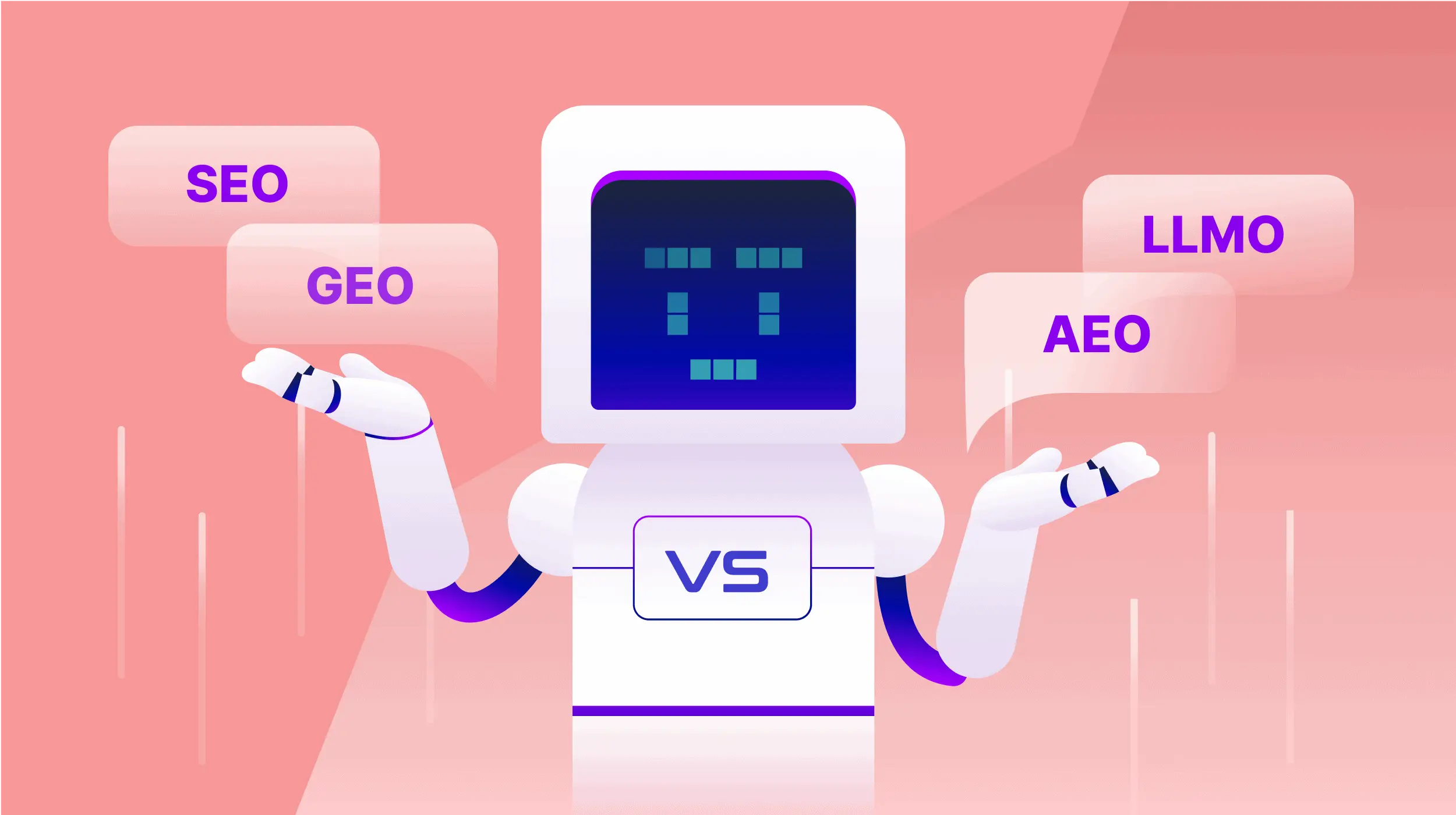
Search behavior has changed more in the last three years than it did in the previous 10 years . People no longer rely only on the blue links. They ask questions inside AI chatbots, browse AI-generated summaries, and expect instant answers without clicking ten pages, which is why AEO vs GEO vs LLMO SEO has become central to how modern content is discovered and ranked.
This shift has created three new optimization approaches that marketers are actively discussing:
- Answer Engine Optimization
- Generative Engine Optimization
- Large Language Model Optimization
Together, they are shaping what modern SEO looks like in 2026.
Understanding how these models work — and how they connect — is now essential for brands that want visibility in Canada, especially in competitive regions like Toronto, Hamilton, and across Ontario.
This guide explains what each framework means, how they differ, and how to build one practical system that supports all three without wasting time or budget.
What Is Answer Engine Optimization (AEO)?
Answer Engine Optimization (AEO) primarily aims to help search engines retrieve direct and concise answers from the content you provide .
Instead of only ranking pages, Google and other platforms now aim to present immediate responses through featured snippets, People Also Ask boxes, and voice assistants.
AEO is about:
- Clear definitions
- Short explanatory paragraphs
- Structured questions and answers
- Easy-to-scan formatting
When done correctly, AEO allows your content to become the “answer source” for common questions.
Businesses that benefit heavily from AEO include service providers, local businesses, and companies targeting high-intent informational queries.
What Is Generative Engine Optimization (GEO)?
Generative Engine Optimization (GEO) examines how AI chooses content for summarization along with reference and citation in AI summaries and generative search results across the Search engine .
Instead of pulling one short answer, these systems analyze multiple sources and combine insights.
GEO prioritizes:
- Depth of content
- Demonstrated expertise
- Topic coverage
- Freshness and accuracy
Strong GEO content often appears as part of AI-generated summaries rather than just traditional rankings.
What Is Large Language Model Optimization (LLMO)?
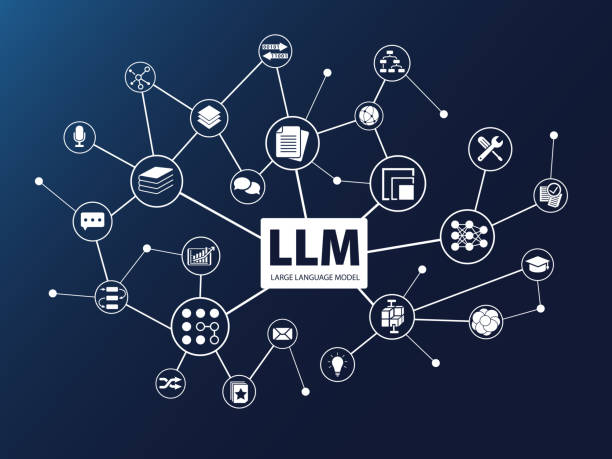
Large Language Model Optimization is about influencing how conversational AI tools understand and reference your brand, services, and expertise.
Rather than optimizing pages alone, LLMO focuses on:
- Entity clarity
- Consistent terminology
- Mentioning the brands various authoritative platforms
- Original insights and frameworks
When LLMO is done well, AI systems confidently describe your business and include you in long-form responses.
Why These Three Are Still SEO (Not Replacements)
AEO, GEO, and LLMO do not replace SEO.
They extend it.
Technical SEO, on-page optimization, internal linking, and site performance still matter. These latest approaches simply ensure that your content perform well across modern discovery channels , including AI-driven surfaces.
Think of them as layers:
SEO → Foundation
AEO → Structure
GEO → Authority
LLMO → Semantic Understanding
Together, they create durable visibility.
AEO vs GEO vs LLMO: Quick Comparison Table
| Factor | AEO | GEO | LLMO |
|---|---|---|---|
| Primary Goal | Become direct answer | Become trusted source | Shape AI understanding |
| Best For | Question-based queries | Broad informational searches | Conversational AI |
| Content Length | Short to medium | Medium to long | Long-form |
| Main Focus | Structure | Depth | Entity clarity |
| Where Content Appears | Snippets, PAA | AI summaries | Chatbot responses |
| Optimization Style | Formatting | Research & coverage | Consistency |
The 7 Key Differences Between AEO, GEO, and LLMO
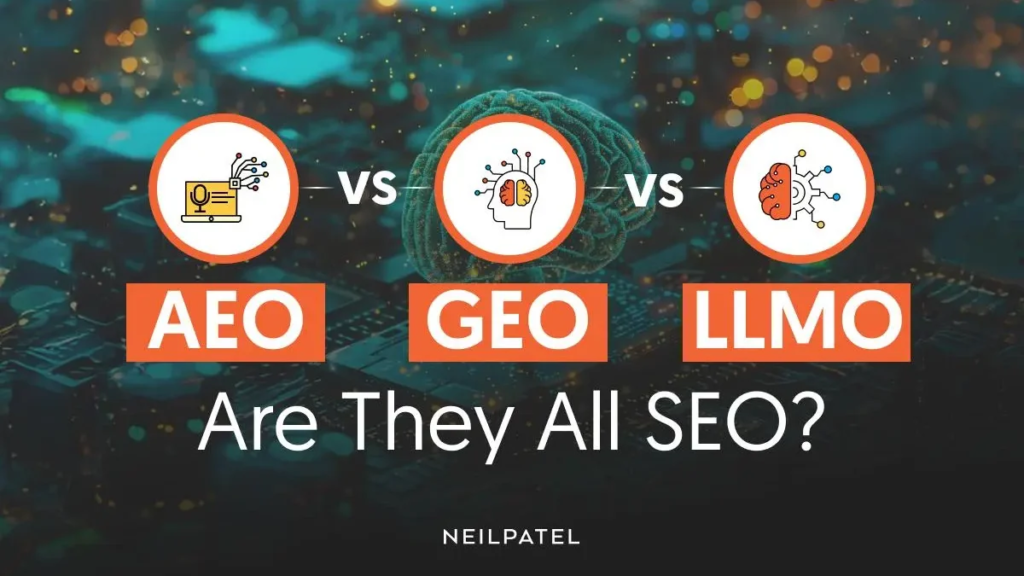
1. Search Intent They Target
AEO focuses on direct questions.
GEO focuses mostly on exploration and learning .
LLMO focuses on open-ended conversation.
Each aligns with different stages of the user journey.
2. How Content Is Selected
AEO systems extract.
GEO systems evaluate and summarize.
LLMO systems interpret and generate.
Understanding this difference helps shape writing style.
3. Ideal Content Format
- AEO usually like short paragraphs even bullet points and short definitions having to the point answers.
- GEO is more effective with comprehensive guides and topical clusters.
- LLMO favors well-organized long-form content with consistent language.
4. Trust Signals Required
- AEO needs clarity.
- GEO needs credibility.
- LLMO needs authority and recognition.
5. Measurement Metrics
AEO: Ownership of snippets and visibility in People Also Ask (PAA) sections .
GEO: Overview of AI Appearances
LLMO: brand mentions inside the AI tools
6. Update Frequency
AEO content requires periodic formatting updates.
GEO content needs freshness and expanded depth.
LLMO content benefits from ongoing brand presence across the web.
7. Business Impact
AEO drives fast wins.
GEO builds long term authority of the content .
LLMO strengthens brand equity .
How They Work Together in a Single Strategy
Rather than choosing one framework, smart brands build content that naturally supports all three.
Here’s how:
- Start with a clear definition (AEO)
- Expand into a detailed explanation (GEO)
- Use consistent terminology and branding (LLMO)
This layered approach prevents duplicate/plagarised content and increases the reach .
Building an Optimization System That Supports All Three
1. Strong Technical Foundation
Fast loading pages, clean URLs, mobile responsiveness, and logical site architecture remain essential.
Without technical stability, none of these frameworks perform well.
2. Structure Content for Extraction
Uses :
- Question in the subheadings
- Short introductory definitions
- Lists and tables
This increases answer overall eligibility .
3. Expand Depth for Authority
After quick answers, provide :
- Detailed Examples
- Case explanations
- Practical steps
- Supporting context
This builds trust with generative systems.
4. Strengthen Entity Signals
Use consistent business name, service descriptions, and niche terminology across:
- Overall Website
- Blogs in the website
- Detailed Author Bios with relevant Social media links
- Social profiles of the author
This improves how models recognize your brand.
5. Use Internal Topic Clusters
Connect related articles using internal links to demonstrate topical mapping and authority of the content. This enhances the signals from both GEO and LLMO eventually.
Local Optimization Matters More Than Ever
AI systems increasingly personalize responses by location.
If you operate in Toronto, Hamilton, or across Ontario, include city-specific service pages, case studies, and testimonials by the clients .
This enhance the visibility for the searches tied to SEO services in Canada, local consulting, and regional business solutions.
Common Mistakes to Avoid
- Writing only for keywords
- Ignoring structure
- Publishing thin content
- Inconsistent branding
- Overusing automation tools
Human-edited content still wins in 2026.
Future-Proofing Your Content
The platforms will change over time, but the core principles will always remain consistent no matter what.
- Clear answers
- Deep explanations
- Trustworthy information
Brands that invest in quality content now will adapt more easily later.
Final Thoughts
AEO, GEO, and LLMO are not competing strategies. There are three perspectives aimed at the same goal: assisting people in finding accurate and helpful information wherever they search.
Brands that align structure, depth, and consistency will dominate visibility in 2026 — across search engines, generative summaries, and conversational AI.
If you build for humans first and machines second, you will win across all three.
FAQs
Are AEO, GEO, and LLMO different types of SEO?
AEO, GEO, and LLMO are not distinct alternatives to SEO.They are the modern extensions that help content perform across answer engines, generative search experiences and conversational AI tools while still relying on core SEO principles like relevance, authority and usability.
Which optimization approach should businesses start with in 2026?
Most businesses should begin with AEO since it improves content structure and clarity overall. Once strong formatting is in its place, GEO adds topical depth to the content and LLMO strengthens how AI systems interpret your brand and expertise across the platforms.
Does traditional keyword research still matter with AI-driven search?
Yes, keyword research still matters, but intent-based research matters the most . Instead of focusing only on exact matches, businesses should understand user questions, problems, and contexts that AI systems associate with broader search topics.
Can one webpage rank for AEO, GEO, and LLMO simultaneously?
Yes, a single well-structured page can support all three aspects when it provides concise answers that have simple yet clear explanations, and consistent terminology that helps both search engines and large language models understand and reuse the content.
How long should blog content be for effective GEO and LLMO performance?
The length of the content is less important than ensuring it is complete.. Pages should be long enough to fully explain the topic, address related subtopics, and demonstrate expertise without unnecessary filler or repetitive sections.
Are backlinks still important in AEO, GEO, and LLMO strategies?
Backlinks remain valuable, but quality and topical relevance matter more than volume. Links from authoritative, niche-related websites help AI systems assess trustworthiness and improve how your content is perceived.
Will AI chatbots replace traditional search engines completely?
AI chatbots will continue to grow, but traditional search engines are not disappearing. Instead, both systems are merging all together , creating a hybrid experiences that combine search results with generative AI responses.
How often should content be updated to stay competitive in 2026?
Most evergreen content should be reviewed every six to twelve months. Updates should focus on accuracy, freshness, expanded insights, and improved structure rather than simply changing dates.
Does local SEO influence AI-generated search results?
Yes, local SEO plays a strong role here . AI systems uses location signals, business profiles and even regional content to personalize answers for users searching within specific cities or service areas.
About Author: