












A website can look great on the surface and still struggle to perform because of technical seo issues happening behind the scenes.
Many site owners put most of their energy into keywords, blog posts, and backlinks, but overlook the technical setup that helps search engines crawl, understand, and rank their pages properly.
When these technical problems exist, search engines may fail to index your content correctly, pages may load slowly, and rankings can drop without any obvious warning.
In today’s competitive search environment, technical SEO is not optional; it’s essential.
It plays a major role in content visibility, user experience, and overall site performance.
From site speed and mobile friendliness to crawl errors and indexing problems, even small technical issues can hold your website back.
This guide breaks down the most common technical SEO issues, explains how they affect your site, and shows you how to fix them so you can keep your website healthy, accessible, and search-engine friendly.
Common Technical SEO Issues
a. Meta Tags Length Issues
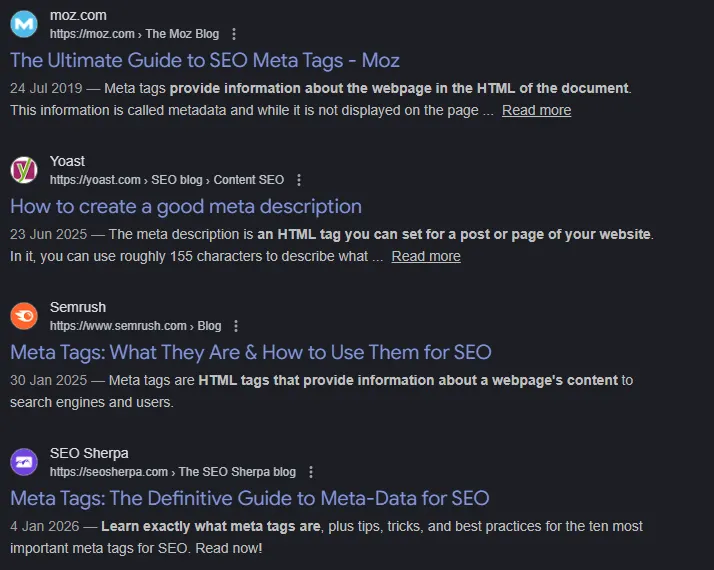
Meta Tags are the crucial on-page seo elements, that tells the search engines what the webpage is about.
Now, a lot of times we see that the meta tags (titles and description) are beyond the set character limit.
Ideally between 50-60 characters or up to 580 px for Meta titles and between 150-160 characters or up to 920px for meta descriptions
But some seo guys just to grab google’s attention stuff the meta tags with unnecessary information or sometimes overstuffing keywords.
This can lead to development of technical seo issues, because a title that exceeds recommended limits may get cut off in search results, while short or vague titles fail to attract users.
Meta descriptions that are missing or poorly written reduce your chance of earning clicks even if your page ranks well.
b. Missing ALT Text
Humans can easily look and tell what the image is about, but for search engine bots, it is not possible.
So the use of image alt text came into picture, as bots can read computer languages and ALT text describes images for search engines and screen readers.
But a missing ALT text is among the common technical seo issues that affects accessibility and image search visibility.
Without ALT text, your images lose ranking potential and your site becomes less accessible to visually impaired users.
Each image should include short, descriptive ALT text within 120-130 characters, that explains the image purpose without keyword stuffing.
c. External Links to 4xx Errors
Would you like to travel on a road that is broken or has potholes in it?
I guess, no right?
Then why will a user or a search engine bot visit pages that are broken?
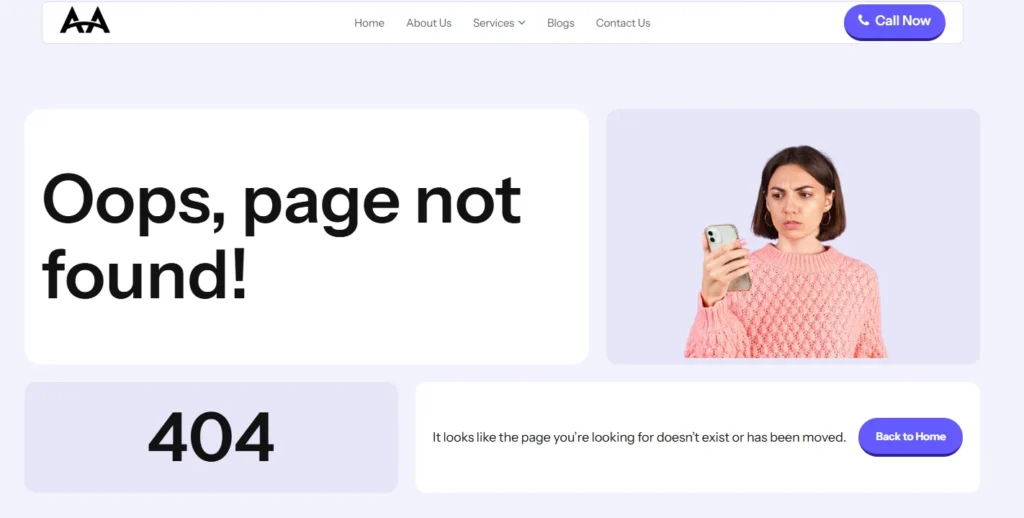
Linking to broken external pages creates a negative user experience and signals poor site maintenance.
When users click a link and land on a 404 error page, trust decreases. This technical seo issue also affects how search engines view your site quality.
A study shows that around 42% of websites have external broken links on their websites
Regular link audits help identify broken external links.
Replacing or removing these links improves user satisfaction and keeps your website clean and reliable.
d. Image Size Too Big
Another common but important technical seo issue are large image files .
Large size images slow down page loading speed which leads to a bad user experience.
Slow pages frustrate users and increase bounce rates.
Search engines favor fast loading websites because speed improves user experience.
Images should be compressed without losing quality.
Using modern formats and resizing images to match display dimensions can greatly improve site performance.
A rule of thumb to note:
Images should be below 100kbs and should be uploaded in Webp format.
e. Multiple H1 Tags
A webpage consists of various headings but as it is said there is only one king and likewise there is only one H1 tag per page.
But using multiple H1 tags creates confusion and weakens page structure.
This technical seo issue often appears due to theme or template errors.
Each page should have one clear H1 tag that describes the main topic.
Subtopics should use H2 and H3 tags to create a logical content hierarchy.
f. JSS and CSS File Issues
To make a website look attractive and appealing to eyes, we generally use interactive and creative elements, but these elements come with a load of coded files, primarily JavaScript files
CSS files control how a site looks visually.
When these files are too large, unminified, or blocked from crawling, a technical seo issue occurs.
Search engines may not render the page correctly, which affects indexing and rankings.
Minifying files, removing unused code, and allowing search engines to crawl these resources ensures better performance and visibility.
g. Orphan Pages in Sitemap
You create a page but forget to link it with a corresponding or similar webpage in your website. What happens after that?
Search bots are unable to understand what this page is about?
These pages are orphan pages with no internal links pointing to them.
Even if they appear in the sitemap, search engines may struggle to find their importance.
This technical seo issue leads to wasted content and poor indexing.
Internal linking helps search engines understand page relationships and importance.
Every valuable page should be linked from at least one other page on the site.
h. Long Redirect Chain
Redirects are useful when URLs change, but long redirect chains slow down page loading and confuse search engines.
This technical seo issue occurs when one URL redirects to another, which then redirects again multiple times.
Shortening redirect chains improves crawl efficiency and page speed.
Ideally, redirects should go directly from the old URL to the final destination.
i. Slow Page Loading Speed
You visit a search engine and type in a query. The first result is what you are looking for.
But once you click the webpage, it takes minutes to load.
Will you feel good about it?….No!
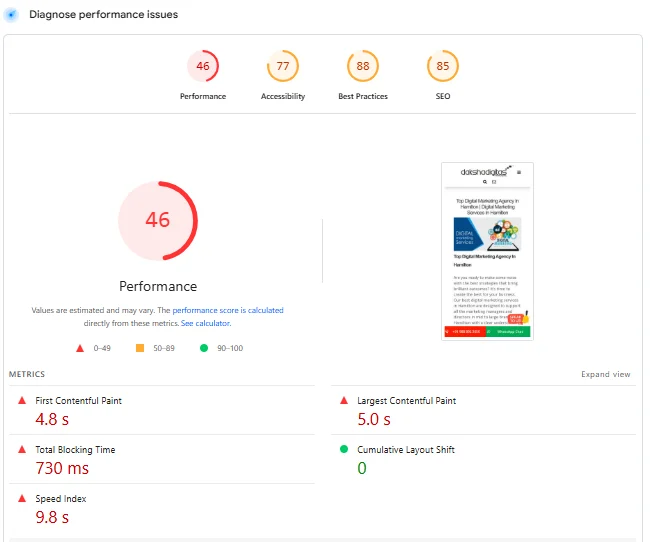
Page speed is one of the most critical technical SEO factors.
A slow site drives users away and reduces engagement.
This technical seo issue often comes from large files, poor hosting, or excessive scripts.
Improving speed involves image optimization, caching, code cleanup, and reliable hosting.
Faster pages lead to better rankings and happier users.
A note to remember, if your website does not load within 3secs or less, you are bound to increase bounce rate and lose traffic on your website.
j. XML Sitemap Issues
An XML sitemap guides search engines to important pages on your site.
Errors in the sitemap create a technical seo issue that affects indexing.
Common problems include broken URLs, outdated pages, and missing important pages.
A clean and updated sitemap helps search engines crawl your site efficiently.
It should only include indexable, high quality pages.
k. Largest Contentful Paint
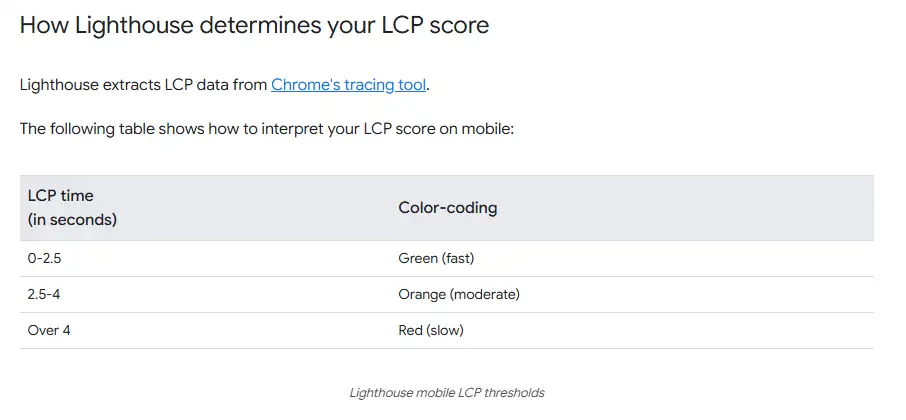
Largest Contentful Paint measures how fast the main content of a page loads.
Poor LCP scores signal a technical seo issue related to performance and user experience.
Slow LCP often results from heavy images, slow servers, or render blocking resources.
Improving LCP requires optimizing images, improving server response time, and reducing unnecessary scripts.
Better LCP scores improve rankings and user satisfaction.
Threshold Metrics:
– under 2.5 seconds considered “Good,”
– 2.5 to 4.0 seconds “Needs Improvement,”
– over 4.0 seconds “Poor
Common Technical SEO Issues and Solutions Table
| Technical SEO Issue | Main Cause | Impact on SEO | Basic Fix |
| Meta tag length issues | Poor optimization | Lower click rates | Optimize title and description length |
| Missing ALT text | Image neglect | Reduced accessibility | Add descriptive ALT text |
| External 4xx links | Broken resources | Poor user trust | Audit and replace links |
| Large image size | Uncompressed files | Slow loading | Compress images |
| Multiple H1 tags | Theme errors | Weak structure | Use one H1 per page |
| JS and CSS issues | Heavy files | Poor rendering | Minify and clean code |
| Orphan pages | No internal links | Poor indexing | Add internal links |
| Redirect chains | Poor redirect setup | Slow pages | Reduce redirects |
| Slow page speed | Hosting and code | High bounce rate | Optimize performance |
| XML sitemap issues | Outdated sitemap | Indexing problems | Update sitemap |
| Poor LCP | Heavy content | Ranking loss | Optimize loading elements |
Conclusion
A technical seo issue can limit your website’s growth even if your content and keywords are strong.
Fixing technical problems improves crawlability, user experience, and long term search visibility.
Regular audits help detect issues early and prevent ranking losses.
If you want to understand your site health better, reviewing technical SEO basics is a smart place to start.
Brands like Adsagenz encourage businesses to stay informed and proactive when it comes to technical SEO best practices.
Taking small steps today can create stronger search performance over time.
FAQs
1. What is a technical seo issue and why does it matter?
A technical seo issue refers to problems that affect how search engines crawl, index, and rank a website. These issues matter because they directly impact visibility, user experience, and overall site performance. Even great content can fail if technical problems block search engines.
2. How often should technical SEO audits be done?
Technical SEO audits should be done at least twice a year. For large or frequently updated websites, quarterly audits are better. Regular checks help catch errors early and maintain consistent search performance.
3. Can technical seo issues affect rankings quickly?
Yes, some technical seo issues like broken pages, slow loading speed, or indexing errors can impact rankings quickly. Search engines prioritize user experience, so unresolved issues may lead to sudden drops.
4. Are technical seo issues hard to fix?
Many technical seo issues are not hard to fix but they require attention to detail. Simple actions like optimizing images, fixing broken links, and updating sitemaps can solve many problems.
5. Do small websites also need technical SEO?
Yes, even small websites can suffer from technical seo issues. Search engines apply the same technical standards to all sites, regardless of size. Fixing issues early helps small sites compete better.