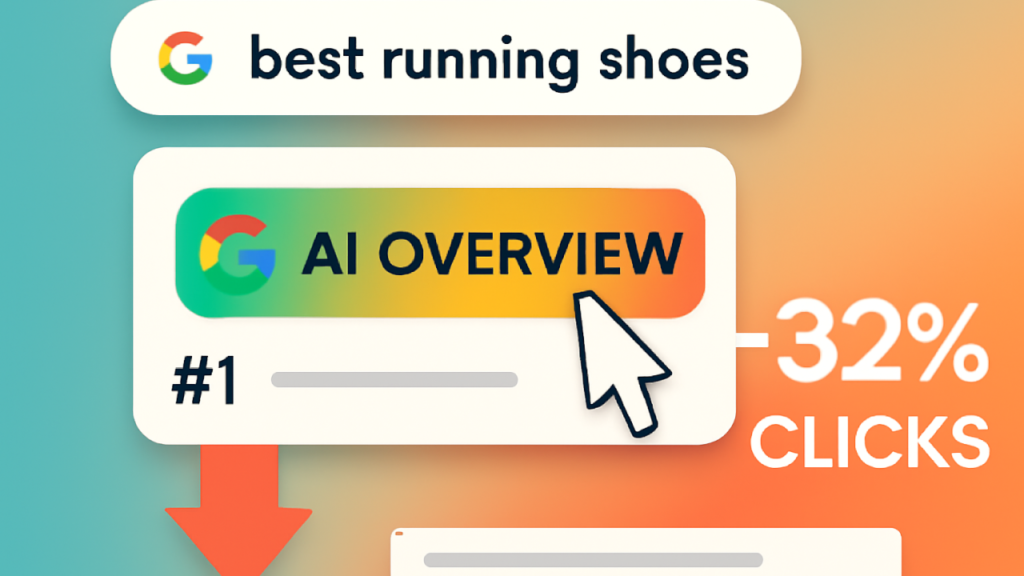
Many site owners usually assumes that if a page ranks well organically, it should automatically appear inside AI-generated summaries. That assumption does not hold up in practice. Understanding AI Overview Ranking Factors makes it clear that traditional rankings alone do not determine whether content gets selected for AI-generated summaries.
AI Overview does not “rank” pages in the traditional sense. It selects information. That distinction changes everything.
Some pages with average rankings are frequently referenced. Others sitting in top positions are ignored. The difference is not luck, and it is not freshness alone. It comes down to how clearly a page communicates meaning and usefulness when read by a machine.
Understanding AI Overview ranking factors requires letting go of position-based thinking and focusing on selection-based logic.
How AI Overview Chooses the Content

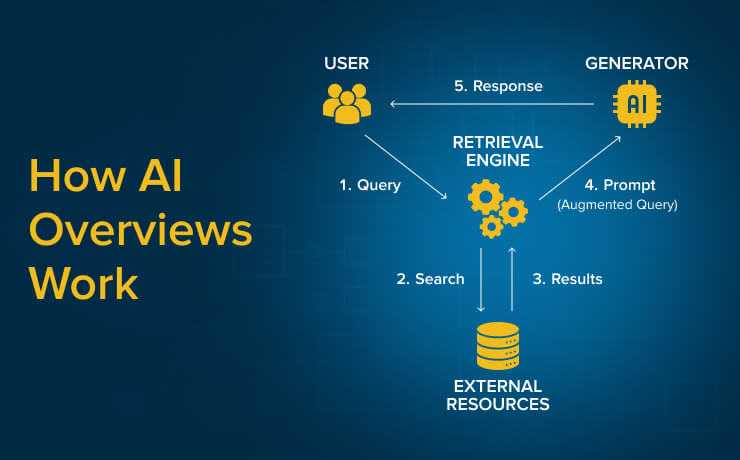
AI Overview works on the basis of scanning, interpreting and compressing information from multiple sources. The goal is not to reward pages. It is to answer questions accurately and safely.
That means the system favors content that:
- Explains rather than promotes
- Stays within its knowledge limits
- Aligns closely with user intent
- It can be summarized without any such distortion
This explains why some well-optimized pages never appear, while others quietly become regular references.
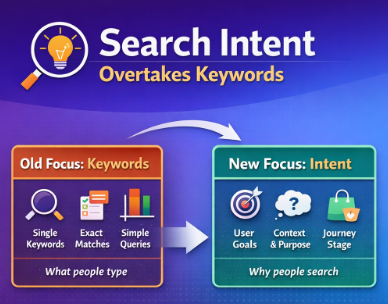
1. Intent Alignment Comes Before Everything Else
If a page does not clearly match the intent behind a query, it will not be used, regardless of how well it ranks.
AI Overview is especially sensitive to mismatches. A page that mixes informational and transactional intent often gets skipped because it introduces ambiguity.
Pages that perform well usually answer one clear question thoroughly.
This is one of the most overlooked Google AI Overview ranking factors, yet it is often the deciding one.
2. Topical Focus Beats Broad Coverage
AI Overview favors depth over breadth.
Pages that try to cover multiple loosely related ideas tend to lose relevance during content extraction. Focused pages are easier to interpret and safer to summarize.
This is why topic-specific resources consistently outperform general overviews when targeting how to rank in AI Overview.
3. Clarity of Explanation Matters More Than Expertise Signals
Credentials still matter, but AI Overview prioritizes clarity first.
A complex explanation written in simple language performs better than a technically impressive explanation that is hard to parse. This is not about dumbing content down. It is about removing unnecessary friction.
Pages that explain concepts step by step are easier to extract and reuse.
4. Neutral Tone Is a Ranking Advantage
Promotional language introduces bias. AI Overview actively avoids bias where possible.
Pages that overstate benefits, make aggressive claims, or sound like sales copy are less likely to be referenced.
This is why informational pages often outperform landing pages for AI Overview SEO ranking factors, even when both are technically optimized.
5. Structural Signals Help AI Understand Priority

Headings, subheadings and paragraph structure are not cosmetic.
They signal hierarchy. They tell the system what matters most.
Clear H2 and H3 sections that align directly with user questions improve extractability. Vague or creative headings do not.
This is one of the simplest adjustments that improves eligibility without changing the core content.
6. Early Answers Increase Selection Probability
AI Overview tends to pull the answers that appear early on a page.
If the main explanation is buried under a long introduction, it is less likely to be used. Pages that answer the question directly, then expand, perform better.
This pattern shows up consistently across content optimized for Google AI Overview ranking signals.
7. Supporting Context Strengthens Trust
AI Overview rarely pulls out single sentence answers without surrounding with the context of it .
Pages that explains the implications limitations or exceptions are safer to summarize because they reduce the risk of misinterpretation.
This is especially important in sensitive industries where nuance matters.
8. Consistency Across the Site Influences Selection
AI Overview do not evaluate the pages in the isolation.
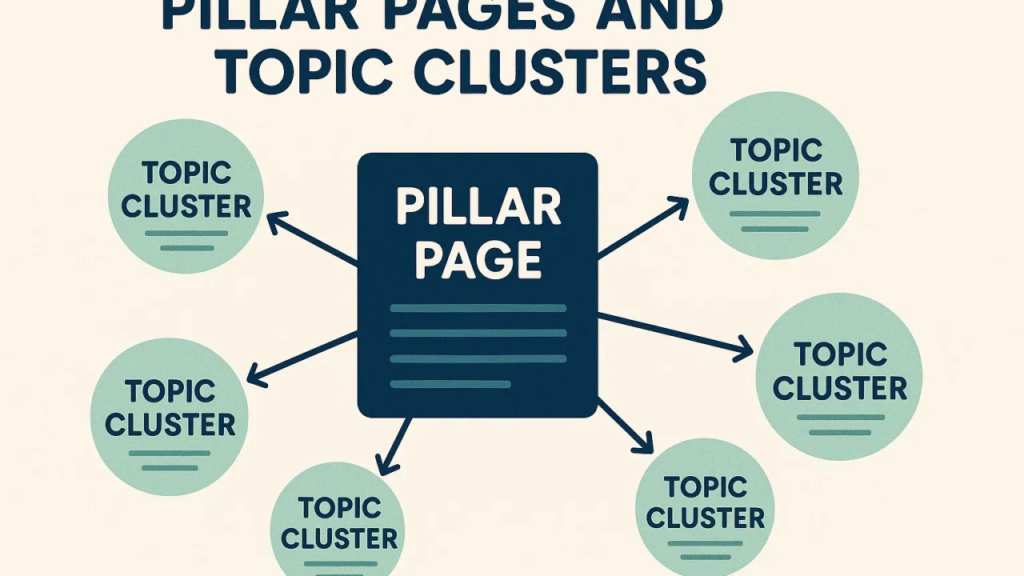
Sites that consistently publish clear and focused content on the related topics build a stronger contextual profile overall. Over time, this increases the likelihood that individual pages are used .
This pattern is common among the firms that are offering AI Overview optimization services in Toronto, where sustained topical coverage creates cumulative trust.
9. Engagement Signals Act as a Secondary Filter
User behavior still matters now a days but in an indirect manner. Pages with high bounce rates and low engagement are less likely to be reused, even if they are ranking well overall . AI systems can interpret poor engagement as a signal that the content may not fully satisfy its intent.
This is not about the optimization for the metrics. It is mostly about writing content that people will actually read.
10. Local Relevance Applies When Intent Is Geographic

AI Overview does consider location, but only when it actually makes sense .
Local relevance improves the selection when the query has a regional context in it . Forced location signals are usually ignored.
Content that naturally reflects regional expertise performs better, as seen with providers offering Google AI Overview SEO solutions in Ontario, where regional nuance influences interpretation.
11. Freshness Helps, but Only When It Adds its Value
Newer content can be favored in its own way , but the freshness alone does not guarantee its inclusion.
Updates that clarify any such explanations, remove outdated references, or improve structure have more impact than cosmetic refreshes.
AI Overview prefers content that reflects current understanding without changing core meaning unnecessarily.
12. Source Reliability Is Evaluated Quietly
AI Overview does not publicly score the trust but patterns around the content suggest its weighs source consistency, topical history and clarity over time.
Pages from sites with erratic content quality are used less often than pages from sites that stay consistent.
This is why long-term visibility matters more than short-term wins.
Common Misconceptions About AI Overview Rankings
Several assumptions can cause unnecessary confusions :
- High rankings guarantee inclusion
- More keywords improve selection
- Promotional content performs better
- Longer pages are always safer
None of these consistently hold true.
AI Overview rewards usefulness, not effort.
How Ranking Factors Change Content Strategy
Once ranking is no longer the only goal, content priorities shift.
Pages needs to:
- Explain before persuation
- Focus before expanding ahead
- Clarify before optimizing the overall content
Agencies acting as a generative search optimization agency in Hamilton often restructure content around these principles rather than chasing new keywords.
Measuring Success Beyond Rankings
AI Overview visibility do not always shows up in standard reports .
Better indicators include:
- Impression growth
- Brand mentions
- Engagement quality
- Assisted conversions
For teams delivering AI SERP consulting in Canada, these signals now guide optimization decisions more reliably than rank tracking alone.
Final Thoughts :
AI Overview rankings are not about just about beating the competitors. It is about being usable and helpful at the same time .
Pages that communicate clearly along with staying honest about limitations, and respect user intent are easier for AI systems to trust. That trust results in selection.
The rules are quieter now, but they are more consistent. Those who adapt early gain lasting visibility.
What are AI Overview ranking factors?
AI Overview ranking factors are signals that determine which content gets selected for AI-generated summaries. Instead of ranking pages by position, the system evaluates clarity, intent alignment, neutrality, structure, and usefulness before extracting information.
Does ranking 1 guarantee the appearance in AI Overview?
Honesty it does not. High organic rankings do not automatically result in selectionof your content by Google AI . AI Overview chooses content based on extractability, clarity, and intent alignment rather than traditional position-based authority signals alone.
Why intent alignment is important for AI Overview?
AI Overview prioritizes pages that match a single, clear user intent. If a page mixes informational and transactional goals, it introduces ambiguity, reducing the likelihood of being selected for summary inclusion.
How does the tone influences the AI Overview selection?
Neutral explanation driven content actually performs better than the promotional language used in the content . AI Overview avoids bias where possible, making balanced and informative pages more likely to be referenced than sales-focused or exaggerated content.
How do structural elements impact AI Overview ranking?
Clear headings with a very logical hierarchy and well-organized paragraphs overall improves extractability of shared content. Structural signals usually helps the AI to understand the content priority hence making it easier to interpret and safely summarize key information.
Do engagement signals influence AI Overview selection?
Indirectly, yes. Poor engagement such as high bounce rates may signal that content does not satisfy intent. Pages that users read and interact with are more likely to be considered reliable and reusable.
How should content strategy change for AI Overview?
Content that is added should prioritize in explaining before actually persuading . hence focusing before expanding and clarifying before optimizing. Success is measured through visibility, usage frequency, and engagement quality rather than rankings alone.