










Category: SEO

  • How AI Language Models Source Content?

    How AI Language Models Source Content?

    Have you ever asked a question to different AI Language models like, ChatGPT, Perplexity, or Google’s AI Overview—and instantly received a neat, polished answer without clicking a single link?

    That polished answer didn’t appear out of thin air. It was built on content pulled from somewhere.

    If you’re a publisher, marketer, or business owner, how do you make sure that “somewhere” is you?

    The answer lies in understanding how AI language models source content—and then structuring your blogs, FAQs, and resources in a way that makes them irresistible to AI crawlers.

    How AI Language Models Actually Work?

    AI language models don’t “browse” the web like humans. Instead, they’re trained on massive datasets that include:

    a. Licensed data from publishers
    b. Open-source content (like Wikipedia)
    c. Publicly available web pages crawled by bots
    d. User-generated content that’s freely accessible

    When you ask a question, the AI models generates a response based on learned patterns.

    For real-time AI Language Models (like Perplexity or Google’s AI Overview), fresh crawling and retrieval are added on top. This means your live content can get cited—if it’s structured in a way AI can easily digest.

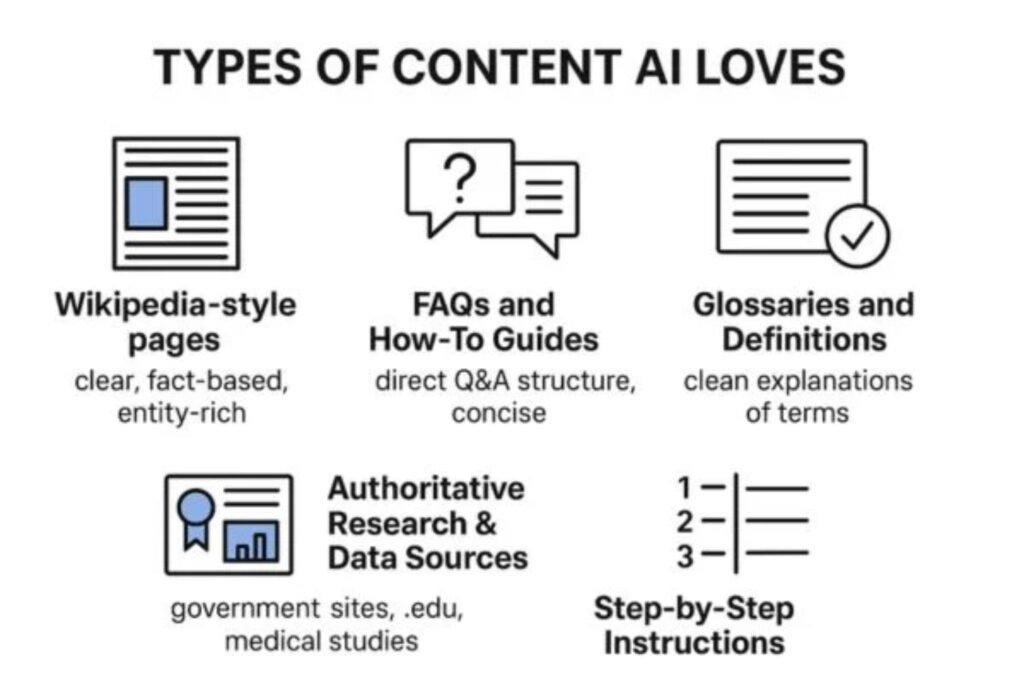
    The Types of Content AI Loves

    Certain content formats are far more likely to get pulled into AI responses:

    a. Wikipedia-style pages (clear, fact-based, entity-rich)
    b. FAQs and How-To Guides (direct Q&A structure, concise)
    c. Glossaries and Definitions (clean explanations of terms)
    d. Authoritative research & data sources (.gov, .edu, medical studies)
    e. Step-by-step instructions (lists, processes, checklists)

    If your content is a rambling opinion piece with no structure, AI tools will skip it. If it looks like a reference resource, they’ll snap it up.

    This image is about the types of content AI language models love

    Entities Over Keywords

    Traditional SEO = keyword-driven.
    AI sourcing = entity-driven.

    What’s an entity?

    a. A person (Elon Musk)
    b. A place (Paris)
    c. A brand (Tesla)
    d. A concept (renewable energy)

    AI language models build connections between entities. Example:

    “Tesla is an electric vehicle manufacturer headquartered in Austin, Texas, founded by Elon Musk.”

    This feeds AI exactly what it wants. Entity-rich writing beats keyword stuffing every time.

    Structured Data: Your Golden Ticket

    AI Language Models love shortcuts. Schema markup (FAQ, How-To, Article schema) literally tells AI what your content is about.

    a. Google’s AI Overview
    b. ChatGPT plug-ins
    c. Perplexity citations

    …are all more likely to surface structured content. Without it, you’re just another unstructured block of text.

    Freshness: AI Doesn’t Like Dusty Content

    Outdated content is skipped.

    a. Update blogs, FAQs, and stats regularly.
    b. Refresh dates, numbers, and examples.

    Think of it as feeding AI a fresh loaf of bread instead of stale crumbs.

    Authority & Trust Signals

    AI models cares about who you are, not just what you say. Build credibility by:

    a. Linking to authoritative sources
    b. Publishing under real experts
    c. Having clear About and Contact pages
    d. Earning backlinks from reputable sites

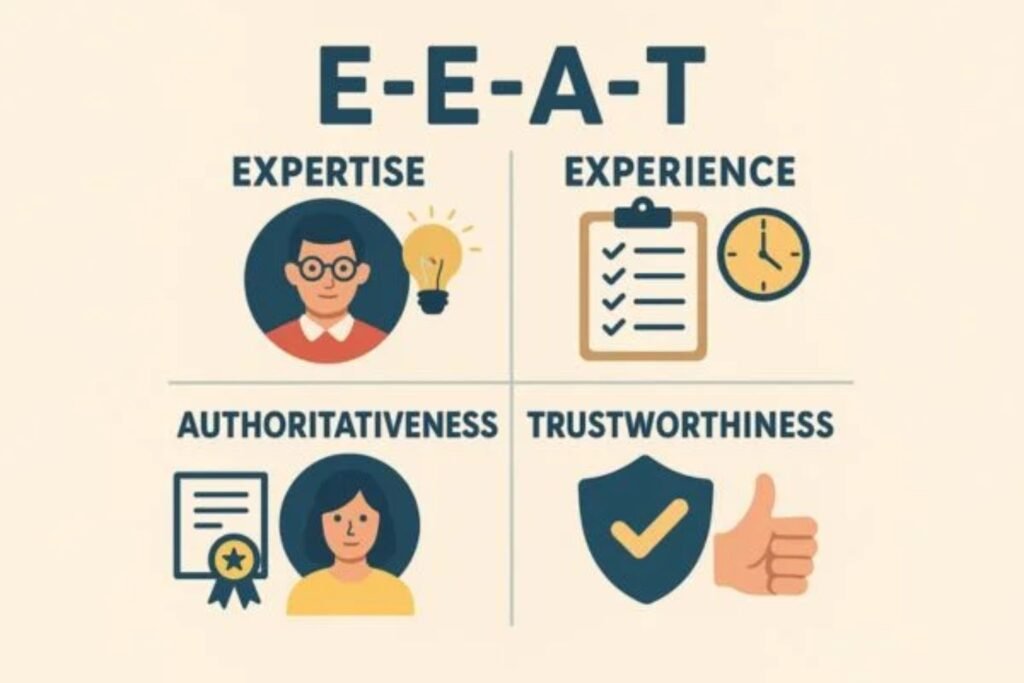
    This image is of the E-E-A-T framework of google

    This mirrors Google’s E-E-A-T principles (Experience, Expertise, Authoritativeness, Trustworthiness).

    Format Matters: Skimmable Content Wins

    AI extracts answers more easily from structured content. Use:

    a. Clear H2/H3 heading
    b. Short paragraphs
    c. Bulleted list
    d. Numbered steps

    A chatbot can’t cite you if it can’t extract your answer cleanly.

    Citations and Linkability

    Not all AI tools cite sources—but those that do prefer clean, reference-friendly pages.

    a. Direct, standalone answers in blogs and FAQ
    b. Simple permalinks (no session IDs
    c. No intrusive pop-ups or paywalls

    Make your content easy to link, and AI will reward you.

    The Role of Community and User Signals

    AI also tracks human engagement.

    Content that gets:

    a. Linked
    b. Shared
    c. Referenced

    …is more likely to become part of AI training/retrieval pipelines.

    Don’t just optimize for AI. Encourage human interaction too.

    AI-Optimization Checklist

    Here’s your quick playbook for AI-discoverable content:

    a. Write entity-rich, not keyword-stuffed, content
    b. Add FAQ & How-To sections
    c. Use structured data (schema)
    d. Keep content fresh & updated
    e. Format with headings, bullets, lists
    f. Build authority signals (backlinks, credible sources)
    g. Ensure clean URLs (no paywalls or clutter)
    h. Encourage shares, mentions, backlinks

    The Future: AI-Specific Content Strategies

    We’re entering a world where content must serve two audiences:

    a. Humans → Conversational, helpful tone
    b. Machines → Structured, labeled, digestible data

    If you ignore AI optimization, your content risks invisibility in a search world dominated by AI-generated summaries.

    Conclusion: Be the Source AI Trusts

    The purpose of AI language models is to filter and rank producers, not to replace them.

    This implies that your duties as a marketer, publisher, or company owner extend beyond creating “good blogs.” Discoverable blogs are the kind that AI systems can quickly comprehend, extract, and reference.

    At Adsagenz, we think that dual-purpose content is the way of the future for visibility:

    a. For people → interesting, practical, and human-focused narrative

    b. Structured, entity-rich, and machine-readable data for machines

    You cease to be simply another voice on the internet when your blogs are formatted so plainly that AI has no option but to pick you first and your FAQs serve as datasets. AI starts to trust you as its source.

    That’s not simply a competitive edge in the AI-powered web; it’s survival.

  • Entity SEO: The Key to Dominate Google’s AI Overviews

    Entity SEO: The Key to Dominate Google’s AI Overviews

    Search is changing significantly, and this change goes beyond simple aesthetic improvements. The old tactic of “target the right keywords and you’ll rank” is rapidly going out of style now that Google’s AI Overviews are online.

    Today, entity SEO is the main focus. Google is producing AI-driven responses based on entities—people, locations, ideas, and relationships—instead of just matching text to queries.

    Google is no longer solely a keyword-based search engine, which is why your once-top-ranking post has suddenly fallen below a huge AI block that appears to “know” the answer – frequently citing sources you’ve never heard of.

    It has developed into a knowledge system driven by entities. You must change your approach and use entity SEO if you want to remain competitive.

    What Is Entity SEO, Really?

    Let’s strip away the jargon. An entity is just a clearly defined “thing” that Google can identify and store in its brain. It can be:

    a. A person (Marie Curie, Elon Musk, Beyoncé)

    b. A place (New York City, Mount Everest)

    c. A product (iPhone 16, Tesla Model 3)

    d. A concept (quantum physics, veganism, inflation)

    Google doesn’t see “entities” as just words — it sees them as nodes in a massive web of meaning called the Knowledge Graph. Each node is connected to other nodes: Einstein → physics → theory of relativity → speed of light.

    Entity SEO is about making sure you — or your content, brand, or product — becomes a recognized node in that web. Once you’re there, Google can confidently feature you in AI Overviews, knowledge panels, and even voice answers.

    Why Entities Beat Keywords in Google’s AI World?

    Old-school SEO was like:

    > “If I put ‘best hiking boots’ in my title, headings, and URL, I’ll rank for ‘best hiking boots.’”

    But AI Overviews aren’t ranking pages the same way. They’re understanding intent.

    If someone searches “best boots for mountain hiking in snow”, AI won’t just look for exact keyword matches — it’s thinking:

    The entity “hiking boots”

    Related entities like “mountain hiking,” “snow gear,” “insulation”

    Trusted entities that have authority in outdoor gear reviews

    If your content isn’t tied to those entities in a way Google can verify, you’re invisible — even if you wrote a masterpiece.

    How AI Overviews Pull from Entity-Based Sources?

    When you look at AI Overviews, the linked sources often have three things in common:

    1. They’re recognized authorities in the topic’s entity space.

    2. They have structured data (schema) that reinforces entity relationships.

    3. They’ve built external trust signals — Wikipedia pages, mentions in credible sites, consistent branding across platforms.

    Google doesn’t have time to “guess” who you are. It relies on pre-verified entities from its Knowledge Graph. That’s why a brand-new blog with perfect keywords often loses to a five-year-old site that Google knows is an expert on the subject.

    The Authority Advantage

    If Google recognizes you as the entity for a given niche, you can show up in AI Overviews even without being 1 in organic search.

    Example: Suppose your site is the definitive source on “artisan coffee roasting.” You’ve:

    a. Been cited by coffee industry blogs

    b. Spoken at coffee trade shows (covered online)

    c. Appeared on podcasts linked in transcripts

    Now, when someone searches “how to roast coffee beans at home”, AI Overview might pull your answer directly, because in Google’s eyes, you are the authority entity.

    Schema Markup: Your Entity Blueprint

    Think of schema markup like a set of instructions telling Google exactly who or what your content is about — in a format it understands instantly.

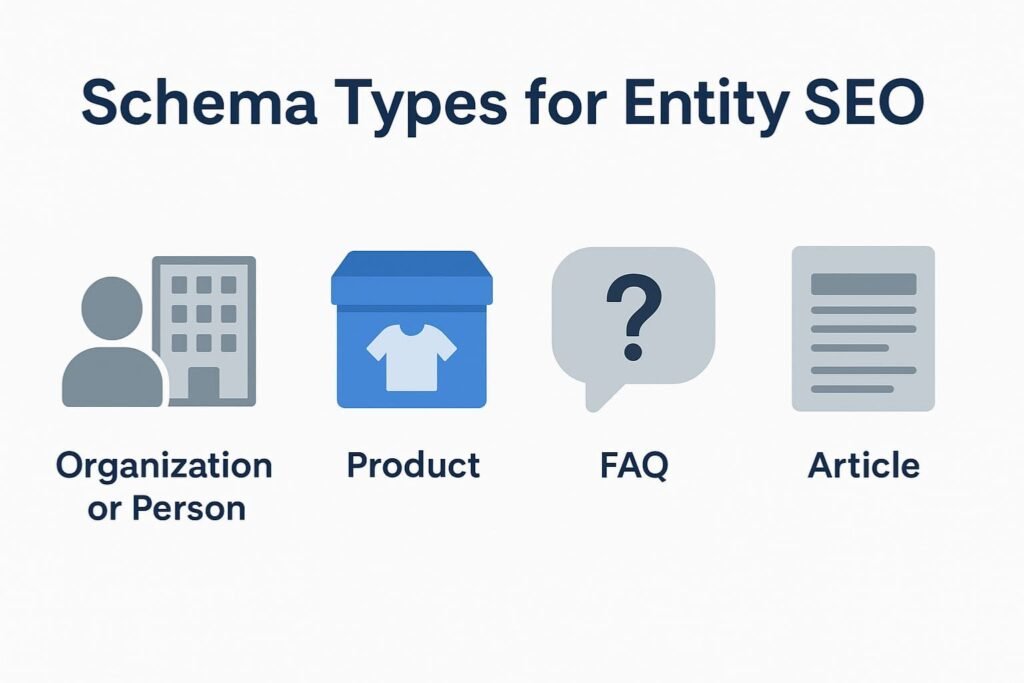
    Key schema types for Entity SEO:

    a. Organization or Person — Defines your brand or author entity.

    b. Product — Defines your products as entities and links them to reviews.

    c. FAQ — Connects common questions to your entity.

    d. Article — Adds author info, publishing date, and links to related entities.

    This image is of the different schema types to use for entity seo

    Use JSON-LD (Google’s preferred format) and make sure your schema data matches your real-world info — no “creative embellishments.” If your About page says you launched in 2018, your schema should say 2018, not 2015 because it “sounds more authoritative.”

    Build Your Entity Web Across the Internet

    Google doesn’t just learn from your site — it cross-checks you everywhere.

    Ways to strengthen your entity presence:

    a. Consistent NAP (Name, Address, Phone) across all directories

    b. Create and maintain a Wikidata entry if possible

    c. Secure a knowledge panel by building credible citations

    d. Guest post on reputable, related-topic sites

    Make sure all social profiles link back to your site and use consistent branding

    If your brand’s name appears in trusted contexts across the web, Google sees you as more “real” and more “connected” in its entity map.

    Content That Defines, Not Just Describes

    Most content explains a topic. Entity SEO content defines it.

    Instead of just “10 Tips for Baking Sourdough Bread” you:

    a. Trace the history of sourdough

    b. Link to notable bakers

    c. Explain the microbiology of wild yeast

    d. Provide references to academic or culinary sources

    This makes your content the hub for that entity. AI Overviews love hub content because it’s semantically rich — it connects multiple related entities in one place.

    E-E-A-T and Entities Go Hand in Hand

    Google’s Experience, Expertise, Authoritativeness, Trustworthiness guidelines aren’t just for human reviewers — they’re baked into entity recognition.

    If your site shows:

    a. Experience (first-hand stories, original research)

    b. Expertise (credentials, author bios)

    c. Authoritativeness (citations, mentions from trusted sources)

    d. Trustworthiness (clear contact info, privacy policies)

    This image is of the E-E-A-T framework of google

    …then your entity’s reputation score improves, making you more likely to be featured.

    Use Entity-Based Keyword Research

    Instead of obsessing over exact match phrases, look for topic clusters.

    Example: If your main entity is “electric bicycles,” related entities might be:

    a. Battery range

    b. Pedal-assist technology

    c. E-bike safety regulations

    d. Urban commuting

    By covering these thoroughly, you’re building an entity neighborhood that tells Google, “I’m not just about one keyword — I own this entire space.”

    Track and Strengthen Your Entity Presence

    Tools that can help:

    a. Google’s Knowledge Graph Search API — See if your entity is recognized.

    b. Kalicube Pro — Specialized in entity SEO monitoring.

    c. Brand mentions tools like Brand24 or Mention — Find where you’re being cited.

    If you’re not recognized yet, focus on building high-quality citations, improving schema markup, and earning links from authority sources in your niche.

    Final Thoughts

    Entity SEO isn’t some passing trend — it’s the foundation of how Google (and other AI-driven search systems) are going to operate moving forward.

    In the AI Overview era, Google doesn’t just want pages — it wants facts from known entities. The sooner you position yourself as one, the sooner you stop worrying about being buried under that giant AI box at the top of the search results.

    If keywords got you to the party, entities are what get you past the velvet rope. And once you’re in, AI Overviews might just start quoting you.

  • Google’s AI Overview Explained: A Game-Changing Impact on SEO

    Google’s AI Overview Explained: A Game-Changing Impact on SEO

    For years, SEO has been a fairly predictable game. You research keywords, create helpful content, earn backlinks, and watch your rankings grow.

    Google shows your site in the organic listings, and you get traffic. Simple — not easy, but at least fair.Then came Google AI Overview (formerly called Search Generative Experience, or SGE.)

    Now, instead of showing the classic “10 blue links” at the top of search results, Google’s AI writes its own instant answers, summarizing information it scrapes from various sources — including yours.

    The catch?

    Your content might be used to feed Google’s AI answer… and the user may never need to click through to your site.

    That’s not “leveling up search.” That’s eating the very ecosystem that fuels it.

    So, What Exactly Is Google AI Overview?

    Think of it as Google’s ChatGPT built into the search results. Instead of just showing links, it pre-chews information for the searcher.

    If you search for “best budget DSLR cameras in 2025”, instead of clicking a blog, you’ll likely see a colorful AI summary listing the top picks, why they’re good, and maybe even buying advice — all right there.

    Sounds convenient for the user, right?

    Sure. But for publishers, businesses, and SEO professionals, it’s a disaster.

    Because:

    a. Google takes your information.
    b. Rewrites it.
    c. Shows it above your link.

    And leaves you hoping someone scrolls down far enough to find you.

    It’s like inviting a dinner guest who eats the meal you cooked, then tells everyone else what it tasted like without mentioning you made it.

    How AI Overviews Are Hurting SEO?

    1. Massive Drop in Organic Click-Through Rates

    Before Google AI Overview, the first few organic results got the lion’s share of clicks. Now? People see their answer immediately and don’t bother scrolling.

    Studies from SEO tracking tools like Sistrix and SimilarWeb are already showing click-through rates down by 18%–40% for certain queries. That’s not a small dip — that’s traffic falling off a cliff.

    2. Zero Credit for Your Work

    Google claims to cite sources in AI Overviews, but those citations are tiny, hidden, and often not even clickable in a way that drives real traffic. And many times, the AI blends multiple sources, so your contribution is buried in a sea of “some people say…” summaries.

    If you’ve spent weeks crafting an original guide, seeing it chopped up and rephrased without meaningful credit feels like creative theft — even if it’s technically legal.

    3. Small Sites Get Crushed

    Big, authoritative domains might survive because Google still sees them as trustworthy. But for small blogs, niche e-commerce sites, and independent creators, this is a knockout punch.

    If you’re not in the handful of links Google chooses to feature in its AI box (and even those barely get clicks), you might as well not exist.

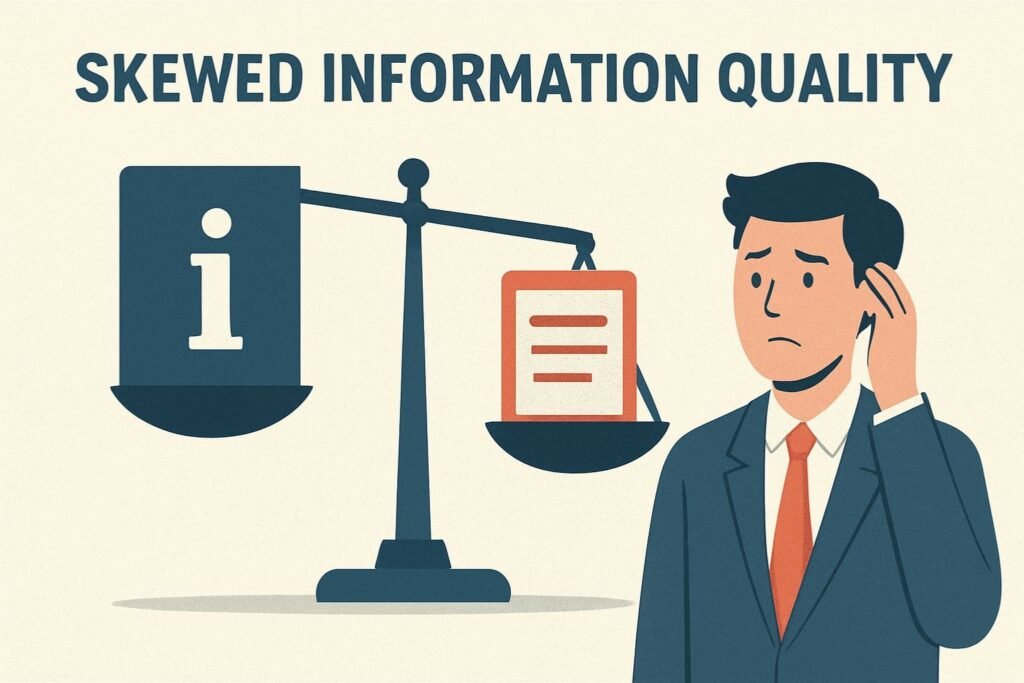
    4. Skewed Information Quality

    AI Overviews aren’t perfect — they’ve already been caught hallucinating facts, pulling outdated info, and even recommending unsafe advice. But here’s the kicker:

    This image is about the impact of google ai overview with skewed information quality

    If your site has a small error, Google’s ranking system punishes you. If its AI gets something wrong? It just quietly changes it later, without apology.

    This double standard means the illusion of accuracy often matters more than actual accuracy.

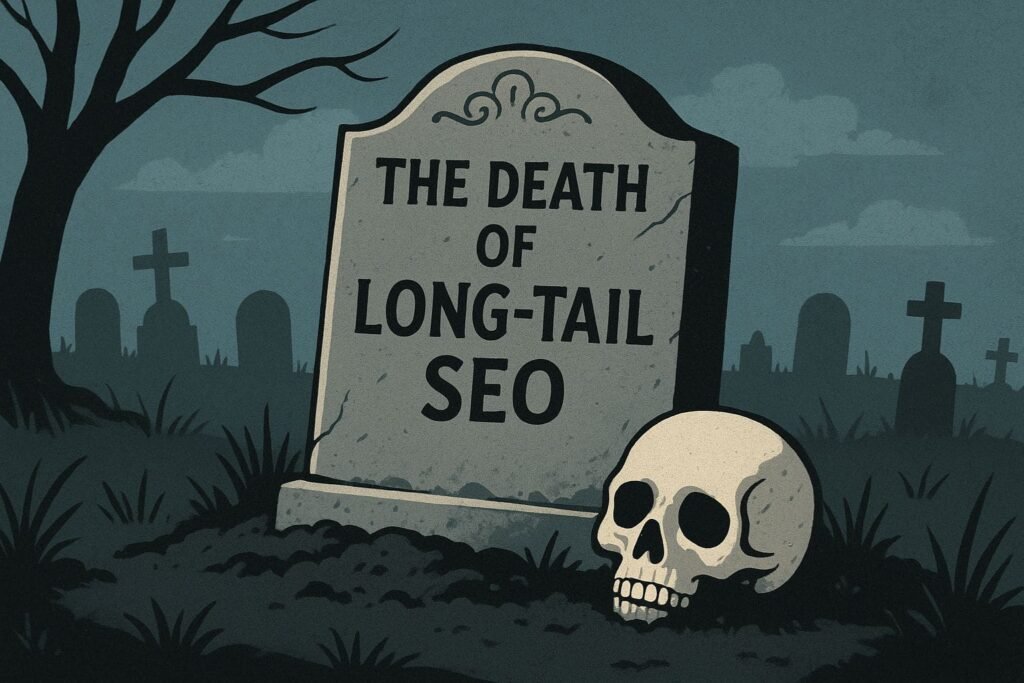
    5. The Death of Long-Tail SEO

    Long-tail keywords (like “how to fix squeaky brakes on a 2010 Toyota Corolla”) have been the bread and butter for many small publishers because they bring in niche, high-intent traffic. Google AI Overview gobble up these questions and answer them instantly, cutting you out of the loop entirely.

    This image tells about the death of long-tail seo with introduction of google's ai overview

    It’s like losing the quiet backroads that used to be safe from highway traffic — now the AI bulldozer has paved right over them.

    6. More Ad Dependence

    When organic traffic shrinks, businesses panic — and where do they turn?

    Google Ads.

    It’s hard not to see the conflict of interest here: Google reduces free clicks and conveniently sells you paid ones. SEO pros have been side-eyeing this for years, but Google AI Overviews turn that suspicion into a neon billboard.

    7. Content Strategy Chaos

    For years, we’ve optimized for snippets, “People Also Ask” boxes, and organic results. Now, all that planning has to account for an unpredictable AI box at the top.

    You can’t optimize for it (Google won’t give the playbook), and you can’t fully avoid it — it appears on informational, product, and even some local searches.

    It’s like playing chess where the rules change mid-game, and your opponent is the referee.

    8. Erosion of Trust in the Open Web

    If people never click through to the original source, they lose context. They don’t see the nuance, supporting details, or the author’s expertise. Over time, audiences may forget that real people make this content — they’ll assume “Google knows everything,” not realizing Google is just repackaging human work.

    9. New Sites Struggle to Break In

    Before Google AI Overview, a well-optimized piece of fresh content could rank within weeks for lower-competition terms. Now, even those wins are blocked by the AI wall. This makes it harder for newcomers to build authority or even get noticed.

    10. Loss of User Journeys

    A single click to your site could lead to multiple pageviews, email sign-ups, and future purchases. With AI Overviews, the journey stops at Google’s page. The relationship between you and the visitor never begins.

    Why This Change Feels Different from Past SEO Shifts?

    SEO veterans have survived algorithm updates, mobile-first indexing, Core Web Vitals, and more. Those were tough but manageable — the game changed, but the players could adapt.

    Google’s AI Overview feel different because Google has inserted itself as the primary destination, not the gateway. The open web becomes a content supplier to Google’s AI machine, not a partner in delivering information.

    What You Can Do About It?

    You can’t “beat” AI Overviews right now. But you can adapt:

    Focus on content Google can’t easily summarize — deep personal stories, data-driven research, community discussions.

    Build brand loyalty off-platform — newsletters, podcasts, private communities.

    Double down on other channels — YouTube, LinkedIn, TikTok — platforms where you control the relationship.

    The Bottom Line

    Google’s AI Overview isn’t just another update — it’s a seismic shift in how search works, putting Google firmly in control. For SEO professionals, this means reduced traffic, less visibility, and more unpredictability.

    While users may enjoy the convenience, if creators aren’t rewarded for their work, the quality and diversity of online content will inevitably decline. And when that happens, even Google’s AI will struggle to find valuable insights to summarize.

    At Adsagenz, we help you adapt to this new reality. Don’t let your brand get left behind — connect with us today to future-proof your SEO strategy..