










Category: AI Digital Marketing

  • Search Everywhere Optimization in 2026: The Complete Guide to Ranking Beyond Google

    Search Everywhere Optimization in 2026: The Complete Guide to Ranking Beyond Google

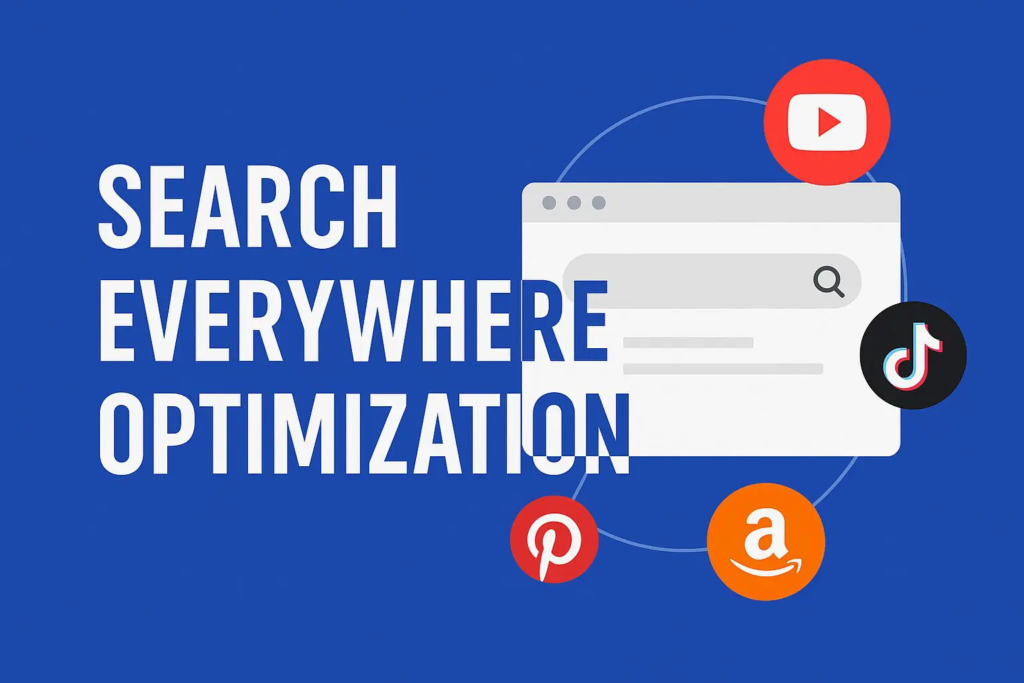
    If someone told you in 2015 that Google would one day not be the most important place to optimize your content, you would have laughed them out of the room. Nobody’s laughing anymore. In 2026, your audience doesn’t just search on Google. They are also searching on TikTok, Reddit, YouTube, Amazon, ChatGPT, Instagram, Perplexity, LinkedIn and even through voice assistants — often without ever clicking a single link. This is the era of Search Everywhere Optimization — where brands must optimize not just for Google, but for every platform where discovery, intent, and decisions are happening.

    They search in fragments, in full sentences, in questions whispered to smart speakers at 11 pm. And if your brand only exists on Google, you’re invisible in every one of those moments. This is the world that gave rise to Search Everywhere Optimization and if you’re serious about visibility, growth, and staying ahead of the brands that are already adapting, this guide is where you start.

    What Is Search Everywhere Optimization?
    Search Everywhere Optimization
    Search Everywhere Optimization

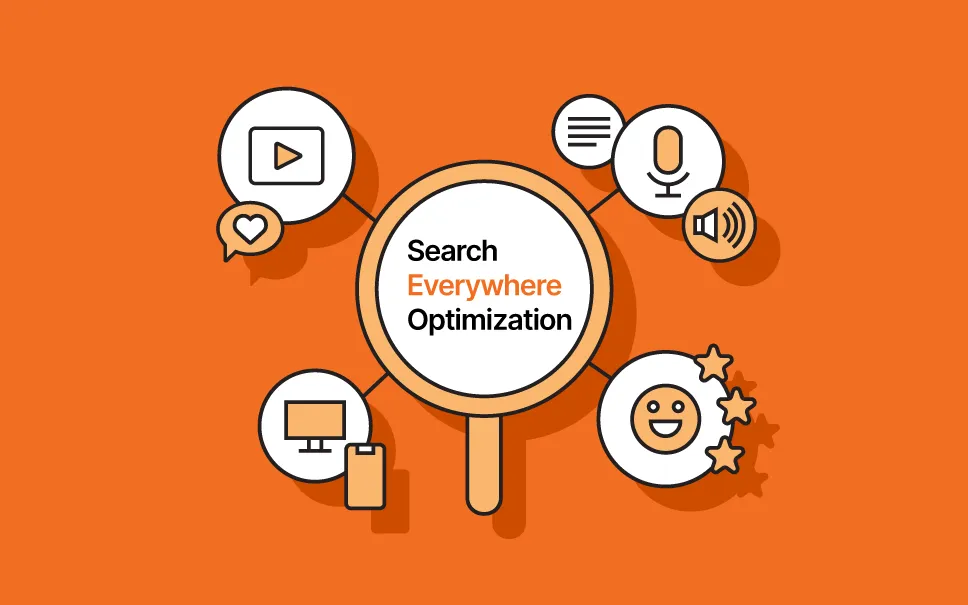
    Search Everywhere Optimization is the practice of building visibility across every platform where your audience searches and researches — not just Google. It’s a complete evolution of how we think about SEO, expanding the playing field from a single search engine to every digital surface where discovery happens.

    The term has been gaining momentum across the digital marketing world. We’re entering the era of Search Everywhere Optimization as omnichannel search expands further beyond Google to social, video, forums, and AI platforms. Brand reputation is becoming a core ranking and visibility signal.

    But here’s what’s important to understand from the start: Search Everywhere Optimization (SEvO) is not about abandoning traditional SEO. It’s about expanding your strategy to match where modern users actually look for answers. Google still matters enormously. It always will. What’s changed is that Google is now one channel in a much larger ecosystem — not the whole game.

    People are now calling it Search Everywhere Optimization. And if you thought about SEO as some sort of hacky way to manipulate search rankings, then yes, this is new. But if you think about SEO from first principles — understanding search intent and demand and trying to match it with the best source of supply — then nothing has fundamentally changed.

    The platforms have multiplied. The principle is the same: be found where people look, with content worth finding.

    Why Search Everywhere Optimization Matters More Than Ever in 2026

    Search Behavior Has Fundamentally Shifted

    The numbers tell a clear story. Google is still king with 417 billion searches per month — but ChatGPT alone is processing 72 billion messages a month. And users under 44 use, on average, five platforms to search. From TikTok to ChatGPT to review sites and Reddit, discovery is diversifying rapidly.

    46% of adults now use social media as their first platform for online search. That’s not a fringe behavior. That’s nearly half of your potential audience starting their research somewhere other than a search engine.

    By 2026, 55% of searches will be voice or image-based. Mobile-friendly, conversational content is no longer optional — it’s the baseline expectation.

    AI Is Changing Who Answers the Questions

    ChatGPT reaches over 800 million weekly users. Google’s Gemini app has surpassed 750 million monthly users. And AI Overviews are appearing in at least 16% of all searches — significantly higher for comparison and high-intent queries.

    AI systems are increasingly the entity answering your audience’s questions — synthesizing, summarizing, and recommending without sending users to your website at all. If your brand isn’t being cited in those answers, you don’t exist in that moment of discovery.

    Zero-Click Searches Are Rising

    The increase in zero-click searches is one of the largest search engine optimization disruptors. This experience is dominated by AI summaries, featured snippets, and voice responses.

    Users are getting answers without clicking. This doesn’t mean visibility is worthless — it means the type of visibility you’re optimizing for has changed. Being cited, being mentioned, being referenced inside an AI answer is a form of visibility that didn’t exist five years ago and matters enormously today.

    The Platforms That Define Search Everywhere Optimization

    Traditional Search Engines: Still the Foundation

    Google, Bing, and traditional search aren’t going anywhere. Search engines are still vital. The focus should be on structured data, entities, and SERP feature inclusion. What’s changed is that ranking on Google is now one pillar of a larger strategy, not the entire edifice.

    Technical SEO fundamentals — clean site structure, schema markup, fast loading, mobile optimization — remain essential because they’re the foundation that supports visibility everywhere else. Search engine optimization everywhere starts with getting the basics right on your own domain.

    AI Platforms: The Fastest-Growing Discovery Channel

    Generative engine optimization (GEO) is the practice of optimizing your content to get appeared in AI-generated answers from the platforms like ChatGPT, Google Gemini and Perplexity. Unlike traditional SEO , which usually focuses on the ranking  search results, GEO is all about influencing how large language models read, interpret, and cite your brand when responding to user prompts.

    This is one of the most critical trends in search today. For bootstrapped tools and growing brands alike, AI platforms are becoming primary discovery surfaces. For form builder tool Tally, ChatGPT became the #1 referral source. That’s not a quirky anomaly — it’s a preview of where visibility is heading.

    Social Media Platforms: Where Research Really Begins

    Social platforms have completed their transformation from entertainment channels to full-scale search engines. TikTok, YouTube, Instagram, Reddit, LinkedIn, Pinterest — each has its own search behavior, its own algorithm, and its own audience expectation.

    You can optimize your social media presence for search engines just by using keyword-rich profiles with relevant hashtags and keywords in the bios and descriptions hence developing a hashtag strategy to expand visibility, optimizing content with SEO-friendly captions and even implementing video SEO across YouTube, TikTok, and Instagram Reels.

    Reddit deserves particular attention. Reddit posts rank high on Google, so use search-friendly titles. Engage in high-traffic subreddits in your niche, answer questions early when new posts get the most visibility, and share insightful responses before linking to your blog or video.

    Voice Search: The Invisible Platform Most Brands Ignore

    Voice search optimization is one of the most underinvested areas in most brand’s digital strategies — and one of the highest-opportunity ones heading into 2026.

    Voice search is fundamentally different from text search. People don’t say “best CRM software 2026” into their phone. They ask: “Hey Siri, what’s the best CRM for a small business without a dedicated IT team?”

    To appear in voice search results, your content needs to be structured around natural language patterns, answer specific questions concisely, use conversational phrasing, and load fast enough on mobile to be a viable source. Featured snippets and position zero results are the primary supply for voice answers — which means structured content with clear Q&A formats is your path to voice visibility.

    E-Commerce Marketplaces: Where Purchase Intent Lives

    More than half of product searches are now starting on Amazon rather than Google. For the brands that are selling physical products , this makes Amazon SEO not a supplementary tactic but a core visibility strategy.

    The same principle extends to Shopify, Etsy, and category-specific marketplaces. Being discoverable on the platform where your customer is actively considering a purchase is often more valuable than ranking on Google for the same intent.

    Generative Engine Optimization: The New Frontier of SEvO
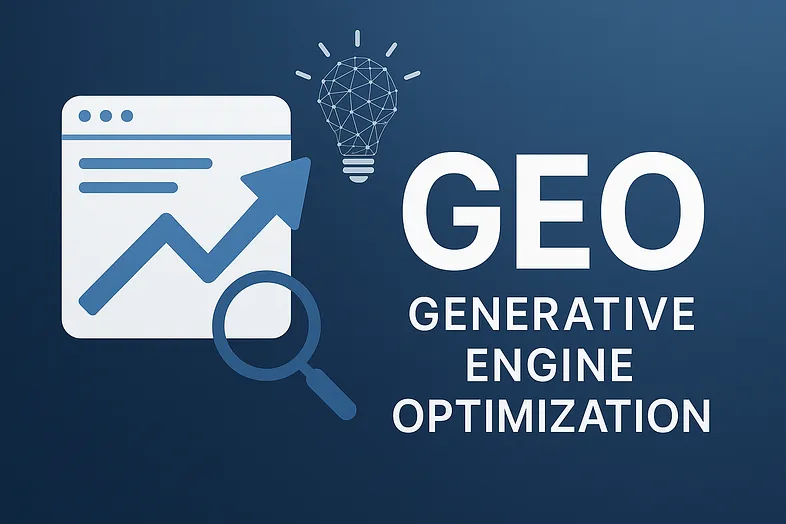
    Generative Engine Optimization

    What GEO Actually Is

    Generative Engine Optimization (GEO) focuses on making brands, content, and data visible inside AI-driven search experiences rather than only traditional search engine results pages. Rather than targeting one keyword per page, GEO builds topic clusters that cover a subject comprehensively, making content more useful for AI summarization.

    Generative engine optimization mostly focus on the publishing authoritative, structured and cited content ; embedding long-tail keywords in natural Q&A formats; optimizing for multi-modal AI engines covering text, image, and voice search; and maintaining E-E-A-T in AI answers.

    Five Core Principles of GEO

    1. Structured, Extractable Content

    AI systems that often extract substantive passages without the conversational setup around them. You need clear headings to help AI identify which section answers which question. Putting answers early in sections may make them easier for AI to find and extract. Traditional SEO often rewards comprehensive coverage; GEO places more emphasis on content that’s easy to extract and reassemble.

    2. Demonstrated Authority and E-E-A-T

    Right now E-E-A-T is going nowhere. It needs to be your strategic cornerstone. Your digital PR strategy should include always-on digital PR with fresh mentions and citations in high-authority sources, customer review strategies focused on reputation and sentiment, and third-party trust signals from awards and accreditations.

    3. Consistent Brand Entity Clarity

    AI systems understand the web through entities — brands, products, people, locations, and concepts. GEO strategies ensure your brand is clearly defined as an authoritative entity within your industry. This means consistent NAP data, Organization schema, Knowledge Panel management, and unified brand information across every platform.

    4. Content Freshness

    AI models usually favor the most current and authoritative information. Strategies to maintain the freshness that includes auditing and updating the content monthly or more frequentlyand hence highlighting recently published or revised date stamps, adding new statistics and case studies promptly, and refreshing FAQs to reflect evolving user questions.

    5. Multi-Platform Brand Presence

    GEO isn’t just about your website. Mentions across reputable platforms, expert authorship, consistent brand information, and authoritative backlinks all improve AI trust. GEO goes beyond Google — it optimizes content for AI chat platforms, voice assistants, knowledge panels, and emerging generative search tools.

    Generative Engine Optimization Tools Worth Knowing

    The GEO tool landscape has matured rapidly since heading into 2026. Goodie AI still remains one of the most complete GEO platforms available . It tracks how your brand appears across engines like ChatGPT, Gemini, Perplexity, Claude, Copilot, and DeepSeek, then pairs that visibility data with actionable optimization guidance.

    Optimized content is achieving 43% higher citation rates on average, and multi-platform optimization has become essential with successful companies monitoring 10 or more generative engines simultaneously.

    Other notable generative engine optimization tools include:

    • Semrush AI Visibility Toolkit integrates GEO monitoring into the SEO ecosystem most teams already use
    • Ahrefs AI features bridges traditional SEO with an AI visibility tracking
    • Otterly.AI focused on the generative search visibility monitoring
    • Gauge delivers gap analyses and competitor benchmarking across AI platforms
    • Profound AI — emphasizes technical SEO integration alongside GEO strategy

    Many tools now specialize in generative engine optimization. AI content assistants like the Writesonic, Jasper and Otterly AI help to craft AI-friendly content . Schema generator tools streamline structured data implementation . Analytics platforms track snippet appearances, voice search traffic, and AI citations.

    Building Your Search Everywhere Optimization Strategy
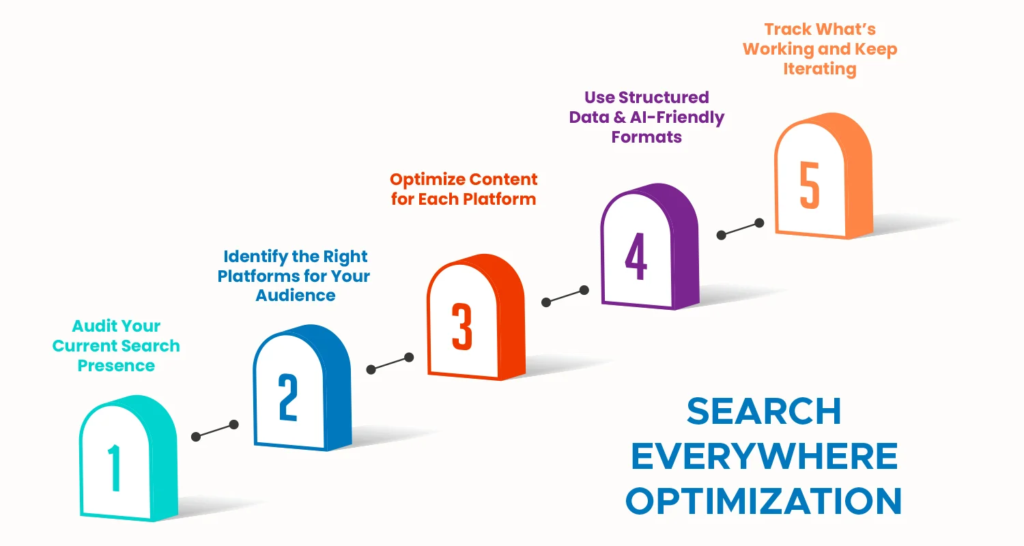
    Building Your Search Everywhere Optimization Strategy

    Step 1: Start With Intent, Not Platforms

    The biggest mistake brands make when adopting SEvO is jumping straight to platform tactics without mapping the intent behind their audience’s searches first.

    Your keyword research skills translate directly to Search Everywhere Optimization — they’re your starting point. The shift is in what you do after you’ve identified your keywords. Instead of stopping at a keyword and creating a single optimized page, you expand that keyword into an intent pillar. An intent pillar is the conversation behind the keyword — the real thing someone is trying to figure out.

    Ask: what decisions is my audience making? Where do those conversations live? Who is talking about these topics? That investigation rhave shown that which platforms deserve your attention and in what order.

    Step 2: Map Platforms to Audience Behavior

    Not every platform deserves equal investment. Your audience research should tell you where the conversation is active for your specific topics and industry.

    When searching for SEO tools , for example you might see some trends in ChatGPT prompts around wanting help with vetting and asking for specific comparisons. YouTube is the second-largest search engine in the world, and people search differently there than they do on Google. Reddit discussions often reveal questions and problems that don’t show up in traditional keyword research.

    Map your primary intent pillars to the platforms/places where those conversations are still looking active. Then acoordingly prioritize them based on where your audience concentrates and where you can realistically build consistent presence.

    Step 3: Create Native Content, Not Repurposed Filler

    Native content wins. Just repurposing blog content won’t cut it. You need to speak the platform’s language. Turn blog insights into short-form videos for TikTok, Instagram, or LinkedIn. Convert FAQ sections into Reddit threads or LinkedIn carousels. Package data-driven insights for LLMs in clear, structured formats. Meet users where they are, in the format they prefer.

    A blog post shared as a link on TikTok is not TikTok content. An explainer turned into a 60-second video with platform native editing is TikTok content . The distinction matters enormously for both algorithmic reach and audience reception.

    Step 4: Build Topic Authority Across Channels

    With AI systems pulling from the entire web to form opinions about brands, earned media coverage and unique data assets become powerful differentiators.

    Topic authority in 2026 is not just about your website. It has been build through a consistent constellation of signals : your website content depth on a topic, your social presence discussing that topic, third-party mentions in credible publications, reviews that reference your expertise, and citations in AI-generated answers. All of these signals feed into how AI systems and search engines perceive your brand’s authority in a given space.

    A focused entity optimization strategy can deliver a 61% organic growth increase in just eight months. That’s the compounding power of building coherent authority rather than chasing individual rankings.

    Step 5: Optimize for Voice Search Specifically

    Voice search optimization actually deserves its own dedicated workstream within your SEvO strategy. The key principles are as follows :

    • Write content that mirrors conversational language patterns
    • Target featured snippets and position zero results — the primary source for voice answers
    • Structure FAQ sections with natural question phrasing that matches how people actually speak
    • Ensure pages are loading fast on mobile and are technically clean
    • Use schema markup, especially FAQPage and HowTo schema, to help voice assistants extract precise answers
    • Optimize for local intent where relevant — “near me” queries dominate voice search patterns

    Step 6: Rethink Your Measurement Framework

    In Search Everywhere Optimization, success is being visible everywhere people are looking, whether or not they click. We care just as much about where we show up, how often we’re mentioned, and whether people come back to us later as we do about any one keyword.

    Instead of optimizing solely for clicks, you’re optimizing for visibility and citations across multiple platforms — Reddit threads, AI summaries, TikTok videos, and yes, still those classic Google search results.

    New metrics to track alongside traditional SEO KPIs:

    • AI citation rate across ChatGPT, Gemini, Perplexity, and Claude
    • Brand mention volume across social platforms and forums
    • Branded search lift — are more people searching your name?
    • Share of voice in AI-generated responses for your target queries
    • Query diversity — are you appearing for a broader range of searches over time?
    • Engagement depth when users do reach your site

    What Trends in Search Tell Us About Where This Is Heading

    The Convergence of SEO and Brand Marketing

    One of the clearest trends in search heading into 2026 is the convergence of SEO and brand building. Growing branded demand shifts from a marketing byproduct to a strategic SEO initiative, making brand building and awareness campaigns integral to your 2026 search strategy.

    When AI systems determine which brands to cite in their answers, they’re making judgments about trust and authority that look a lot like brand equity assessments. The brands that show up consistently, that have strong third-party mentions, that users actively search for by name — those are the brands AI platforms treat as reliable sources.

    The Death of Generic Content at Scale

    The brands that win will build a stronger product and value proposition, doubling down on real expertise and evolving based on authentic customer feedback. Product quality and brand reputation become the foundation — everything else is built on top of it.

    Mass-produced, AI-generated, template-driven content is flooding every platform. The response from search systems — both Google and the AI platforms — is to increasingly reward content that demonstrates genuine expertise, original perspective, and real-world specificity. If your content could apply to any brand in any industry, it will increasingly apply to none of them in algorithmic terms.

    Human Expertise as a Competitive Moat

    Human expertise, transparent authorship, and integrated strategies across PR, product, social, and technical channels define which brands thrive.

    This is arguably the most important strategic insight for 2026: the brands investing in real expertise, real authors with real credentials, and real original research are building something that no content farm or AI content tool can replicate. That expertise, consistently expressed across every platform where your audience searches, is the competitive moat of the SEvO era.

    Do You Need a Search Everywhere Optimization Agency?
    scope of SEvO

    The scope of SEvO — across Google, AI platforms, social search, voice, marketplaces, and forums — is genuinely difficult to manage without dedicated expertise. A specialized search everywhere optimization agency is known for bringing several advantages:

    • Cross-platform strategy development that maps channels to audience behavior
    • Generative engine optimization expertise that most traditional SEO agencies are still developing
    • Content production capacity to create platform-native assets at the scale SEvO requires
    • AI visibility monitoring and GEO tools that require significant investment and expertise to use effectively
    • Measurement frameworks that track the full spectrum of SEvO metrics, not just Google rankings

    Whether you need a full-service search everywhere optimization agency or a consultant who can guide your in-house team depends on your resources, competitive landscape, and growth goals. What’s less debatable is that SEvO requires a broader skillset than traditional SEO — and trying to retrofit a keyword-focused team into an omnichannel visibility operation without external input tends to produce inconsistent results.

    Is a Search Everywhere Optimization Course Worth It?

    For marketing professionals, content teams along with business owners who want to build SEvO competency in-house, a dedicated search everywhere optimization course can dramatically accelerate the learning curve.

    The most valuable courses in this space cover the full spectrum : traditional SEO fundamentals (which haven’t changed), GEO and AI platform optimization, social search strategy, voice search, local search, and the measurement frameworks needed to tie it all together. Look for courses that include real case studies, are updated frequently to reflect the fast-moving landscape, and offer community access to practitioners who are actively working in the space.

    The foundational SEO skills you already have translate directly — the learning curve is primarily in understanding the new platforms, the AI optimization layer, and how to coordinate across channels rather than treating each one as a separate silo.

    The Core Truth About Marketing Everywhere Optimization

    Visibility in 2026 won’t come from gaming the system. It will come from understanding the human behind the query — and showing up with something truly helpful.

    Search everywhere optimization — or marketing everywhere optimization, as some practitioners frame it — is ultimately a return to the most fundamental principle of good marketing: be where your audience is, with something worth their attention.

    The platforms have changed. The AI systems are new. The voice interfaces are still developing. But the underlying truth has not moved : the brands that understand what their audience is trying to figure out, and build genuine authority in those spaces across every channel where those conversations happen, will own the discovery moment in their category.

    Search engine optimization has developed into Search Everywhere Optimization — visibility, authority, and performance are now the key aspects rather than rankings alone.

    The question isn’t whether to adapt. It’s how fast.

    What is Search Everywhere Optimization (SEvO)?

    Search Everywhere Optimization is the practice of optimizing your brand’s visibility across every platform where your audience searches — not just Google. This includes AI platforms like ChatGPT and Perplexity, social media, YouTube, Reddit, Amazon, voice assistants, and industry-specific communities.

    How is SEvO different from traditional SEO?

    Traditional SEO focuses on ranking in Google search results through keywords, backlinks, and on-page optimization. SEvO expands this to cover every discovery surface — AI citations, social search, voice results, marketplace listings, and more. The fundamentals of SEO remain valid; SEvO simply applies them across a much broader ecosystem.

    What is Generative Engine Optimization (GEO)?

    GEO is the subset of SEvO focused specifically while appearing in AI-generated answers from platforms like ChatGPT, Gemini, and Perplexity. It usually involves the structuring content for AI extractability, building cross-platform authority along with maintaining E-E-A-T and ensuring consistent brand entity signals that AI systems recognize and trust.

    How do I optimize for voice search in 2026?

    Focus on conversational, natural language content that answers specific questions concisely. Target featured snippets and position zero results. Use FAQ and HowTo schema markup. Ensure fast mobile page loading. Write in the way people actually speak rather than how they type keywords.

    Do I need a Search Everywhere Optimization agency?

    If your team has been focused on traditional SEO alone, working with a specialized SEvO agency or consultant can significantly accelerate your transition — especially for GEO, AI platform optimization, and cross-channel strategy development. The breadth of SEvO requires expertise that goes well beyond keyword research and link building.


  • Industries Most Affected by Google AI Overview: 8 Sectors Seeing the Biggest Search Shifts

    Industries Most Affected by Google AI Overview: 8 Sectors Seeing the Biggest Search Shifts

    When Google introduced AI-generated summaries into search results, the early conversation focused on rankings and traffic loss. That discussion missed something important. The impact of AI Overview is not universal. It is selective.

    Some industries are now seeing dramatic changes in the visibility, clicks behavior and even user journeys. Others are barely affected. The difference comes down to how people search, what kind of answers they expect, and how much trust is required before making a decision.

    Understanding industries most affected by Google AI Overview is less about predicting the future and more about observing what is already happening across search results today.

    What Determines Whether an Industry Is Affected

    Before breaking down individual sectors, it helps to understand the common traits that make an industry vulnerable to AI Overview.

    Industries tend to be more affected when:

    • Searches are largely informational based.
    • Users tend to ask “how,” “why,” and “what” in their questions
    • Decisions require explanation before action
    • Content competition is high and repetitive

    In contrast, industries driven by urgency, location, or immediate transactions experience less disruption.

    With that context, the patterns become clearer.

    1. Healthcare and Medical Information

    Healthcare and Medical
    Healthcare and Medical

    Healthcare is one of the most visibly impacted sectors.

    Users search for symptoms, treatments, side effects, and explanations long before they ever speak to a professional. AI Overview now answers many of these questions directly, reducing the need to click through multiple pages.

    This does not mean medical websites are losing relevance. It means their role has shifted. Content in the website is being used as a reference rather than a destination.

    The AI Overview impact on healthcare SEO is strongest for informational queries, while appointment-based and local searches remain largely unaffected.

    Sites that rely on thin condition summaries are struggling. Pages that explain risks, limitations, and context continue to appear as sources.

    2. Finance and Personal Money Topics

    Finance searches are usually following a very similar pattern but with a higher trust sensitivity.

    Users ask about loans, taxes, investments, credit scores, and savings strategies. AI Overview often provides summarized explanations, especially for foundational questions.

    This has changed how financial content performs. Comparison tools, calculators, and scenario-based explanations still attract traffic. Basic “what is” content often does not.

    The financial services SEO impact of AI Overview shows that content built purely to rank is being filtered out, while content that explains consequences and trade-offs is being referenced more frequently.

    3. Education and Online Learning

    Education &  Online Learning
    Education & Online Learning

    Education content has always been heavily informational, which makes it especially exposed.

    Students and professionals search for explanations, definitions, and step-by-step guidance. AI Overview now delivers much of this instantly.

    This has reduced clicks for basic learning content but increased visibility for structured educational resources.

    The AI Overview effect on education websites is most noticeable ones expecially  for the theory based topics. Practical guides, certifications, and learning paths still drive engagement because users want validation and depth.

    4. SaaS and B2B Technology

    SaaS and B2B
    SaaS and B2B

    SaaS companies are experiencing a more nuanced impact.

    Early-stage searches such as “what is CRM software” or “how marketing automation works” are often answered directly by AI Overview. Deeper evaluation searches still result in clicks.

    This has shortened the awareness stage but increased pressure on mid-funnel content.

    The SaaS industry impact from AI Overview shows that feature lists alone are no longer enough. Pages that explain use cases along with limitations, and implementation challenges perform better than generic product overviews.

    5. Legal and Professional Services

    Legal queries are complex and highly contextual, which makes them ideal candidates for AI summaries.

    Users search for explanations of rights, procedures, and outcomes. AI Overview provides general information while avoiding the advice.

    This has overall reduced the traffic to basic legal explainers but increased the visibility for authoritative sources.

    The AI Overview impact on legal services SEO is most apparent in informational queries. Location based and consultation driven searches still generate strong engagement, especially when local context is clearly demonstrated.

    6. E-commerce and Product Research

     E-commerce & Product Research
    E-commerce & Product Research

    E-commerce is affected differently depending on the query type .

    Product comparisons, feature explanations, and buying guides are frequently summarized by AI Overview. Transactional searches still result in clicks.

    This means informational product content must work harder to justify engagement.

    The AI Overview impact on e-commerce SEO shows that detailed reviews, real-world usage insights, and comparison tables retain value, while shallow buying guides lose visibility.

    7. Digital Marketing and SEO Industry

    This industry is being affected both as a subject and as an Expert.

    Searches about the algorithms, optimization, and strategy are now commonly summarized by AI Overview. This reduces traffic to surface-level blogs but increases demand for deeper, experience-driven content.

    The digital marketing industry impact from AI Overview is forcing agencies to prove expertise through clarity rather than volume.

    This shift is especially noticeable for firms offering AI Overview optimization services in Toronto, where competition has pushed content quality expectations higher.

    8. Local Service-Based Businesses

    Local services usually experience a bit of less disruption overall, but their effect still exists to some extent.

    AI Overview summarizes informational searches, but local intent remains dominant. Users still want nearby providers, pricing context, and availability.

    The local business SEO impact of AI Overview becomes more visible when businesses rely heavily on blog content for discovery rather than service pages.

    Firms focused on Google AI Overview SEO solutions in Ontario often perform best when informational content supports, rather than replaces, local service relevance.

    Why Some Industries Are Less Affected

    Industries driven by the urgency location or even immediate need remain resilient.

    Emergency services, local repairs, and last-minute bookings still depend on direct interaction. AI Overview cannot replace proximity or availability.

    That is why the AI SERP industry impact in Canada varies significantly based on how decisions are made within each sector.

    How Affected Industries Should Respond

    Industries most affected by the AI Overview needs to adjust the expectations of the tool and not simply panic.

    Key adjustments include:

    • Shifting the focus from traffic volume to the visibility of the content
    • Building authority around fewer, deeper topics
    • Writing content that explains consequences, not just concepts

    Agencies operating as a generative search optimization agency in Hamilton often guide clients through these transitions by restructuring content rather than replacing it.

    Final Perspective

    AI Overview did not target the industries on random basis . It followed the user behavior.

    Where people seek understanding, AI summarizes. Where people need action, clicks remain.

    Industries that adapt to this reality gain long-term visibility and trust. Those that cling to older metrics struggle to explain what changed. The shift is already underway. The advantage lies with those who recognize it early.

    Which industries are most affected by Google AI Overview?

    Industries heavily driven by informational searches—such as healthcare, finance, education, digital marketing, and SaaS—are experiencing the biggest shifts. These sectors rely on explanatory content, which AI Overview now summarizes directly within search results.

    Why is healthcare significantly impacted by AI Overview?

    Healthcare searches often involves symptoms, treatments, and conditions related explanations. Since users seek foundational understanding before consulting professionals, AI Overview frequently summarizes this information, reducing clicks while still referencing authoritative medical sources.

    How is the finance industry responding to AI-generated summaries?

    Basic financial definitions and “what is” queries are often summarized directly. However, comparison tools, calculators, and scenario-based content continue to perform well because users require deeper clarity before making financial decisions.

    Does AI Overview affect SaaS based companies the similar way as other industries?

    Not entirely. Early-stage awareness queries are often summarized, shortening the discovery phase. However, evaluation-stage searches—like implementation challenges or use cases—still drive engagement, making detailed mid-funnel content increasingly important.

    Are local service businesses heavily impacted by AI Overview?

    Local services that experiences lower disruption because of urgency and proximity influence the overall decisions. While informational blog content may see overall reduced clicks with service pages tied to location and availability remain highly relevant.

    Why are digital marketing and SEO industries particularly affected?

    Since these industries produce a very large volume of informational content hence AI Overview frequently summarizes their insights . This has reduced traffic to generic blogs while increasing demand for experience-driven, practical, and authority-backed content.

    What should highly affected industries do to adapt?

    Industries looking for visibility shifts ,  should focus on deeper expertise along with clearer explanations and structured authority around fewer core topics. Measuring visibility beyond traffic—such as brand mentions and engagement depth—also becomes increasingly important.

  • How to Optimize Content for Google AI Overview: 11 Practical Changes That Actually Improve Visibility

    How to Optimize Content for Google AI Overview: 11 Practical Changes That Actually Improve Visibility

    Previously, search optimization used to be a predictable thing. You picked a keyword, created a page around that keyword, added internal links, and waited for rankings to settle. That process still exists, but it no longer works in isolation—especially in the era of Google AI Overview optimization, where content must be structured for interpretation, not just indexing.

    Since the rollout of AI-generated summaries inside search results, content is being evaluated in a different way. Pages are no longer judged only on whether they deserve a click. They are judged on whether they deserve to be read by the search engine itself.

    When content is optimized correctly for AI Overview, it does not just rank. It becomes a reference. It gets scanned, interpreted, and reused to answer questions directly on the results page. This is where most optimization efforts either succeed quietly or fail without obvious warning signs.

    Understanding how to optimize content for Google AI Overview requires stepping away from traditional SEO habits and paying closer attention to how information is structured, framed, and supported.

    What Google AI Overview Actually Looks for in Content

    AI Overview Actually Looks for in Content
    AI Overview Actually Looks for in Content

    AI Overview does not reward the pages that try to look authoritative in the search engine. It favors useful pages.

    From repeated analysis across multiple sites, certain patterns show up consistently. Pages referenced inside AI summaries tend to:

    • Stay tightly focused on one subject
    • Explain ideas without exaggeration
    • Mostly use simple language and sentences where complexity is not required
    • Includes practical context in the content instead of generic statements.

    This explains why some technically “well-optimized” pages never appear, while others with fewer SEO signals are used repeatedly.

    The difference is not in keywords. It is clarity.

    1. Write for Understanding, Not Just for the ranking

    Traditional SEO often compels the writers toward over-explaining simple points, and AI Overview reacts badly to that.

    If a concept can be explained in three sentences, forcing it into six weakens the page. AI systems are designed to compress information, so content that is already concise and well-structured performs better.

    This is especially relevant when optimizing for AI Overview content optimization strategies, where excess wording reduces extractable value.

    A good rule: if removing a sentence does not change meaning, it probably should not be there.

    2. Focus on One Core Intent Per Page

     Focus on Core intent content
    Focus on Core intent content

    Pages that try to cover too many angles usually fail to appear inside the AI Overview.

    If a page explains what something is, how it works, why it matters, and how to buy it—all at once—it becomes harder for AI systems to determine its primary purpose.

    Successful pages tend to commit to one intent and support it thoroughly.

    That focus increases the chances of being cited for how to rank in Google AI Overview, especially for informational queries.

    3. Using Headings That Actually Mean Something

    Headings are no longer just a regular and simple layout tool. They are helping the AI to understand the structure and hierarchy of the shared content.

    Generic headings like “Introduction” or “Conclusion” add no value. Clear, descriptive headings signal relevance and make extraction easier.

    Avoid clever phrasing. Precision works better.

    This is one of the simplest changes that improves performance for SEO for AI Overview results without rewriting entire pages.

    4. Answer Questions Before Expanding on Them

    AI Overview often pulls direct answers first, then supporting details.

    Pages that bury the answer halfway down struggle to be referenced. Pages that lead with a clear response and are followed by an explanation usually perform better, but this does not mean writing in bullet-only formats. It means respecting the reader’s time. If someone asks a question, answer it early.

    5. Replace Claims With Reasoning

    Statements like “this improves rankings” or “this increases visibility” are easy to write and easy to ignore.

    AI systems favor content that explains why something happens.

    For example, instead of saying that structure matters, explain how structure helps AI interpret relevance. That reasoning gives the content weight.

    This is one of the biggest differences between generic articles and pages that earn placement for Google AI Overview optimization services in Toronto, where competition forces clarity.

    6. Avoid Writing That Sounds Like It Was Written to Impress

    Promotional language usually weakens the trust signals.

    Phrases that sound like marketing are often filtered out, especially in informational summaries. AI Overview tends to prefer neutral explanations over persuasive ones.

    If a sentence sounds like it belongs on a sales page, it does not belong in an informational article.

    7. Support Claims With Practical Observations

    AI Overview does not require any academic citation for every point , but it does value the grounded reasoning behind it.

    Content that gives the references of real situations, observed patterns, or implementation challenges feels more credible than content built entirely on theory.

    This matters when targeting AI Overview SEO solutions in Ontario, where local businesses often compare providers based on demonstrated understanding rather than promises.

    8. Keep Paragraphs Short, but Not Choppy

    Long paragraphs are difficult for both the readers and the AI system. And on the other hand, extremely short paragraphs can feel fragmented, but a mix of both works best.

    Most effective pages usually alternate between :

    • More empasis on single sentences
    • Two to three sentence explanation
    • Occasional longer clarification

    This rhythm improves readability and extraction at the same time.

    9. Use Lists Only When They Add Clarity to the

    Lists help AI summarize content, but only when they are meaningful.

    Forced lists filled with vague points dilute the overall value. Lists that clearly break down steps, traits or even the outcomes perform better.

    If a list does not simplify understanding, write it as a paragraph instead.

    10. Local Context Should Feel Earned

    AI Overview does consider geographic relevance, but it does not reward obvious location stuffing.

    Pages that naturally reference regional experience or market behavior perform better than pages that insert city names.

    For example, firms offering generative search optimization agency in Hamilton tend to perform well when local context is embedded into explanations rather than highlighted as keywords.

    11. Measure Optimization Beyond the regular Rankings

    Traditional rank tracking still has a value but it does not capture the AI Overview performance completely.

    Better indicators include:

    • Search impressions
    • Brand mentions inside summaries
    • Engagement depth
    • Assisted conversions

    This shift is particularly noticeable for teams delivering AI SERP consulting in Canada, where visibility often precedes direct traffic.

    Traditional SEO Optimisation vs AI Overview Optimisation

    AreaTraditional SEO OptimizationAI Overview Optimization
    Content GoalEarn clicksProvide clear answers
    Keyword UseRepetition-basedIntent-based
    StructurePage-focusedTopic-focused
    Success MetricRankingsVisibility + trust
    Writing StyleOptimizedNatural, explanatory

    Common Optimization Mistakes to Avoid

    Some mistakes show up repeatedly when content fails to appear in the AI Overview:

    • Overloading pages with keywords
    • Writing vague introductions
    • Repeating the same point in different words
    • Using headings that do not add meaning
    • Publishing content without a clear intent

    These issues are often invisible in traditional SEO audits but obvious to AI systems.

    Final Thoughts

    Optimizing your content for AI Overview does not require ignoring the SEO fundamentals in general . It requires applying them with more discipline , that is Clear structure, honest explanations and focused intent.

    Pages that respect the reader’s time tend to earn the search engine’s trust. That trust shows up as visibility, even when clicks do not come immediately. Optimization now rewards usefulness over cleverness.

     What is Google AI Overview in search results?

    Google AI Overview is a generated summary that appears directly on the search results page. It pulls insights from multiple sources to answer a query quickly, often reducing the need for users to click individual links.

     How is AI Overview optimization different from traditional SEO?

    Traditional SEO usually focuses on the rankings and keyword placement while the AI Overview optimization prioritizes clarity, structure and usefulness. Content must be easy for AI systems to interpret, summarize, and reference directly within search results.

    Why is clarity more important than keyword repetition now?

    AI systems evaluate meaning rather than just the frequency. Repeating keywords does not improve the extractable value of your content . Clear explanations, focused intent and structured reasoning make it easier for AI to understand and reuse content in summaries.

    Should content answer questions immediately?

    Yes. Pages that provide direct answers early are more likely to get the desired referenced in the AI Overviews . Supporting explanations can follow but the core response should appear near the beginning for better extraction and visibility.

    Does longer content perform better in AI Overview?

    Not necessarily. Concise, well-structured content performs better than the lengthy pages filled with repetition of keywords . If the additional sentences are adding clarity or depth then it reduces the page’s effectiveness for AI-based summarization.

    How do headings influence AI Overview visibility?

    Descriptive headings help AI understand the hierarchy and the structure of the topic . Clear section titles usually improves the content extraction, while vague labels like “Introduction” or “Conclusion” provide little semantic value to the search systems.

    Is promotional language harmful for the AI Overview?

    Overly persuasive or sales-heavy language weakens the informational credibility of your shared content . AI Overview tends to prefer neutral explanation driven content rather than marketing-style claims or exaggerated authority statements.

  • How Google AI Overview Impacts Organic Traffic: 9 Real Changes Websites Are Experiencing in 2026

    How Google AI Overview Impacts Organic Traffic: 9 Real Changes Websites Are Experiencing in 2026

    Organic Traffic Didn’t Disappear — It Changed Its Behavior . A few years ago, organic traffic followed a very predictable patterns. You ranked on page one, people clicked, analytics showed sessions, and decisions were made around those numbers. That model no longer tells the full story.

    With Google introducing AI-generated summaries directly inside search results, organic traffic has entered a new phase. Pages are still being read, referenced, and evaluated, but not always visited in the same way as before.

    If your reporting suddenly shows fewer clicks while impressions stay stable—or even grow—that is not a tracking error. It is a structural change in how search works.

    Understanding how Google AI Overview impacts organic traffic requires moving away from assumptions and paying attention to what actually happens after AI summaries appear.

    What Organic Traffic Means After AI Overview

    Organic traffic used to be simple. A user searched, clicked a result, and landed on a page. Now, many users get enough context before clicking anything.

    That does not make content irrelevant. It changes its role.

    Some pages are no longer destinations. They are reference points. Google reads them, extracts insight, and uses that understanding to answer the user directly. In many cases, the brand behind the content still gains visibility, even if the visit never happens.

    This is where many site owners misread the situation. They see traffic dip and assume they are losing relevance. Often, the opposite is happening.

    1. Zero-Click Searches Are Rising, but Only for Certain Queries

    Zero-Click Searches Are Rising
    Zero-Click Searches Are Rising

    Not every query behaves the same way under AI Overview.

    Short, factual questions are the most affected. Definitions, explanations, and basic “what is” searches now end directly on the results page.

    More nuanced searches still drive clicks. Comparisons, opinions even case-based questions and anything involving decision-making usually pushes users deeper.

    This is why sites built entirely on surface-level informational posts are seeing the sharpest decline. Meanwhile, structured, experience-backed pages still attract engagement.

    The organic traffic impact of AI Overview is uneven by design.

    2. Pages With Real Context Are Being Used as Sources

    AI Overview does not quote just random pages. It pulls from the content that explains a topic very clearly without any extra exaggeration .

    Pages that tend to appear as references share certain traits:

    • They stay focused on one subject
    • They explain consequences, not just definitions
    • They acknowledge limitations or trade-offs
    • They avoid exaggerated claims

    This is not accidental. AI systems are trained to filter out content that feels promotional or generic.

    That is why Google AI Overview organic traffic impact looks very different for editorial-style content versus templated blog posts.

    3. Fewer Clicks, Better Intent

    Fewer Clicks, Better Intent
    Fewer Clicks, Better Intent

    One of the less discussed changes is traffic quality.

    Users who likes to click after seeing an AI summary are already understand the basics behind it . They are not just browsing casuallyand randomly. They want a confirmation even depth and the next steps.

    In analytics, this often shows up as:

    • Lower session counts
    • Higher time spent per visit
    • Fewer bounces
    • More meaningful conversions

    If you only look at traffic volume, you miss this shift entirely.

    4. Brand Visibility Is No Longer Dependent on Clicks

    When your content is shown inside an AI Overview, then at that time your brand name appears repeatedly in front of the users who may never visit your site immediately .

    That exposure matters.

    Over time, it leads to:

    • Increased brand familiarity
    • Higher trust during later searches
    • More branded queries

    This effect is especially noticed for companies offering AI Overview SEO services , where users often compare the providers multiple times before contacting them.

    5. Content Length Without Direction Stops Working

    Long articles used to feel safe. Write more, rank better. That logic no longer holds.

    AI Overview does not reward length. It rewards clarity.

    A page that explains one idea cleanly will going to outperform a longer page that circles around the same point rback to back . Excess words dilute the relevance rather than strengthen it.

    This is why many long-form pages are being ignored while tighter, better-structured ones get cited.

    6. Informational Pages Must Support Decisions

    AI Overview handles early-stage understanding very well. That means that your content needs to go further and ahead.

    Pages that still perform tend to:

    • Explain implications
    • Highlight differences
    • Offer practical considerations
    • Prepare users for a decision

    This approach keeps the content useful even after the AI summary has answered the initial question.

    7. Local Organic Traffic Is Being Filtered More Carefully

    Local Organic Traffic
    Local Organic Traffic

    AI Overview does not remove local relevance but actually sharpens it overall.  

    Location-based signals are now interpreted in the context of the content and not isolation. Content that naturally reflects regional expertise performs better than pages that simply insert place names.

    For example , the businesses focused on Google AI Overview optimization in Ontario see stronger visibility when local insight is woven into broader explanations rather than forced into headings.

    Local relevance works best when it feels earned.

    8. Authority Pages Are Gaining More Than Isolated Blogs

    Single blog posts struggle to stand alone in an AI-driven search environment.

    Pages connected to a larger topical framework perform better because they signal subject depth. AI systems recognize when a site covers a topic consistently instead of occasionally.

    This is why agencies positioning themselves as a generative search optimization agency in Hamilton often rely on structured content clusters rather than one-off posts.

    Authority is cumulative.

    9. Traffic Loss Often Points to Content Quality Issues

    Not every decline is caused by an AI Overview. In most of the cases, traffic drops clearly reveals older problems :

    • Repetitive phrasing
    • No original viewpoint
    • Overuse of keywords
    • Content written to rank, not explain

    AI systems are less forgiving of these issues than traditional ranking algorithms.

    If a page feels like its interchangeable then it becomes invisible.

    How Organic Traffic Should Be Measured Now

    Session counts still matter, but they no longer tell the whole story.

    More useful indicators include:

    • Search impressions
    • Brand mentions
    • Engagement depth
    • Assisted conversions

    For all firms that are offering AI SERP consulting in Canada , for them these metrics now guide strategy decisions more accurately than rankings alone.

    Table: Organic Traffic Before and After AI Overview

    FactorEarlier Search ModelAI Overview Model
    User ActionClick-firstRead-first
    Content RoleDestinationReference
    Success SignalSessionsVisibility + trust
    Ranking ValuePosition-basedContext-based
    Brand ExposureAfter clickBefore click


    What This Means for Content Strategy

    The shift is not subtle, but it is manageable.

    Content needs to be written with the assumption that users may read it through Google before ever visiting the page. That changes tone, structure, and intent.

    Writing only to attract clicks is not enough anymore .

    Final Perspective

    AI Overview did not break the flow of organic traffic. It expose the weak content and elevated useful material from it .

    Websites that explain clearly, avoid exaggeration, and respect user intent are still being rewarded. Sometimes through clicks. Sometimes through visibility. Often through both, just not immediately.

    Organic traffic is no longer a straight line. Those who understand that early will benefit the most.

    FAQs

    What happens to organic traffic when AI Overview appears?

    Traffic patterns change. Some clicks disappear, but visibility and brand trust often increase.

    Does AI Overview affect all industries the same way?

    No. Informational heavy industries see more zero-click behavior than the one that follows transactional ones.

    Can content still rank even if AI Overview answers the query?

    Yes. Ranking still matters, especially for follow-up searches and deeper intent.

    Should blogs be rewritten because of AI Overview?

    Only if they lack depth, clarity, or real insight.

    Is organic traffic still valuable after AI Overview?

    Yes , but its valueshows more in quality than quantity.

    How do brands benefit without clicks?

    Repeated exposure builds recognition and trust over time.

    Does local SEO still matter?

    Yes ofcourse it does . Local context helps AI determine the overall relevance for regional searches .

    Will Google continue changing AI Overview behavior?

    Very likely. Search behavior and AI interpretation are still evolving.

  • 5 Key Differences : Featured Snippets vs. AI Overviews

    5 Key Differences : Featured Snippets vs. AI Overviews

    Search has now entered a new era, and we need to adapt to it accordingly. For years, visibility in Google meant ranking on page one ideally inside the top three results. Today, success is no longer defined only by blue links. The conversation is now shifting toward AI Overviews vs Featured Snippets , where search engines is now prioritizing instant answers, intelligent summaries, and contextual explanations directly within the results.

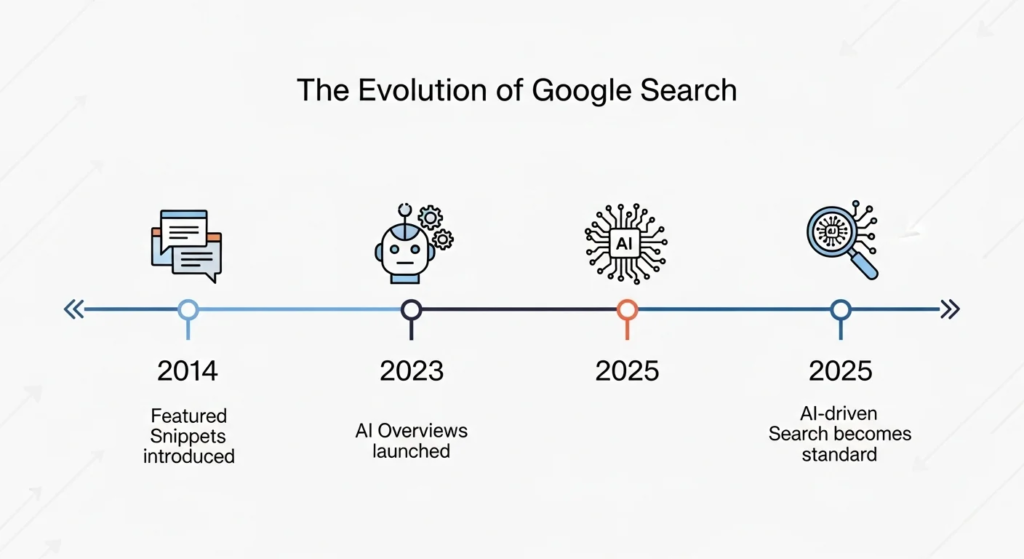
    Then came featured snippets, which reshaped how information appeared. Now, AI Overviews are redefining the experience even further by delivering intelligent, synthesized answers directly in search results.

    If you’re a business owner, marketer, or content strategist, understanding the difference between AI Overviews and Featured Snippets is no longer optional—it’s essential.

    This pillar guide explores:

    • What AI Overviews and Featured Snippets really are
    • How they are different in structure, sourcing and impact
    • What each means for SEO, AEO, and GEO
    • How to optimize your content for both

    Let’s break it down.

    The Evolution of Search Results

    Traditional search results once displayed ten blue links, leaving users to scan multiple pages for answers. Over time, search engines introduced:

    • Knowledge panels
    • People Also Ask boxes
    • Featured snippets

    Now, with AI-driven generative search, platforms like Google are moving toward answer-first experiences instead of link-first experiences.

    This evolution is driven by one goal:

    Give users faster, clearer, and more complete answers.

    AI Overviews and Featured Snippets both serve that goal—but in very different ways.

    What Are Featured Snippets?

    Featured Snippets
    Featured Snippets

    Featured snippets are highlighted excerpts pulled directly from a single webpage and displayed at the top of search results.

    They typically appear as:

    • Paragraph answers
    • Bullet lists
    • Numbered steps
    • Tables

    The content is extracted verbatim or lightly trimmed from one source that Google considers the best match.

    Key Characteristics of Featured Snippets

    • Based on one webpage
    • Usually quote or paraphrase that page
    • Focus on direct, concise answers
    • Often called “Position Zero”

    Example:

    If someone searches “What is technical SEO?”, Google may pull a short definition from a well-optimized blog and display it as a featured snippet.

    What Are AI Overviews?

    AI Overviews
    AI Overviews

    AI Overviews are AI-generated summaries that combine information from multiple authoritative sources and present a synthesized response at the top of search results.

    Instead of copying a single page, AI Overviews:

    • Analyze many pages
    • Extract key insights
    • Merge them into one coherent explanation

    They behave more like a research assistant than a citation tool.

    Key Characteristics of AI Overviews

    • Use advanced language models
    • Pull from multiple websites
    • Provide contextual, conversational responses
    • Often include supporting links

    AI Overviews are designed to handle complex and multi-part questions that don’t have simple one-line answers.

    Core Difference at a Glance

    FactorFeatured SnippetsAI Overviews
    SourceOne webpageMultiple sources
    Content TypeExtracted textAI-generated synthesis
    DepthShort and directBroader and contextual
    Best ForSimple questionsComplex questions
    SEO FocusPage-level optimizationTopic-level authority

    How Each System Selects Content

    Featured Snippets Selection

    Google evaluates:

    • Page relevance to query
    • Clear formatting
    • Direct answer presence
    • Authority and trust

    If your page clearly answers a question in a concise way, it has a chance to be selected.

    AI Overviews Selection

    AI systems evaluate:

    • Topical authority across a site
    • Depth of coverage
    • E-E-A-T signals
    • Consistency of information across sources

    Instead of asking, “Which page answers this best?” AI Overviews ask,

    “Which sources together explain this best?”

    Impact on SEO Strategy

    Featured Snippets SEO Approach

    • Optimize individual pages accordingly
    • Use clear question based headings in your content
    • Provide short precise answers
    • Structure content cleanly

    AI Overview SEO Approach

    • Build topical clusters
    • Publish in-depth guides
    • Demonstrate expertise
    • Strengthen brand authority

    In short:

    Featured snippets reward precision.

    AI Overviews reward depth.

    From SEO to AEO and GEO

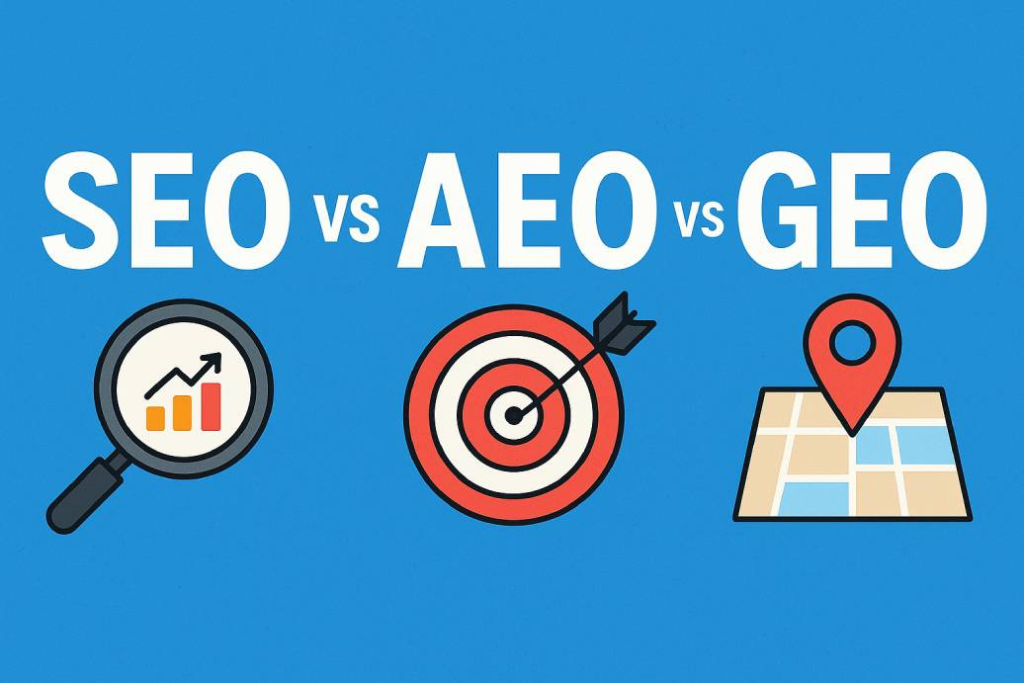
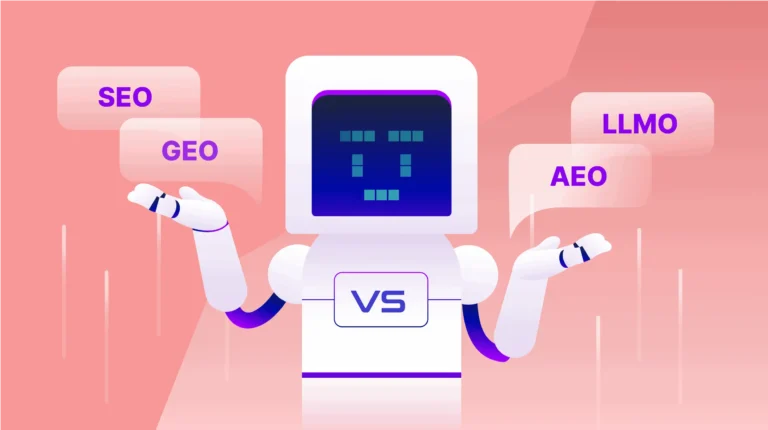
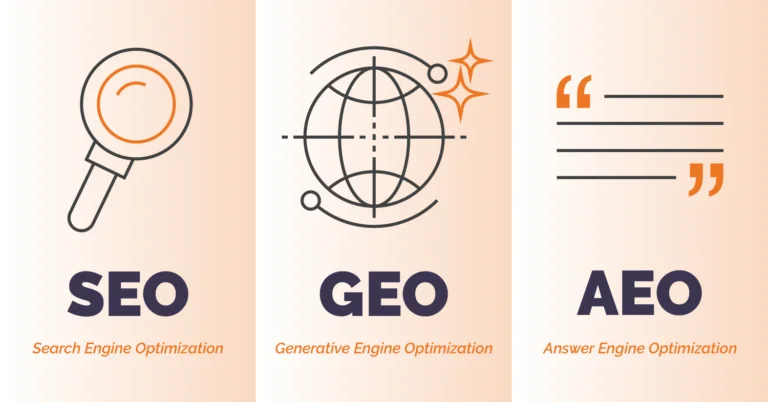
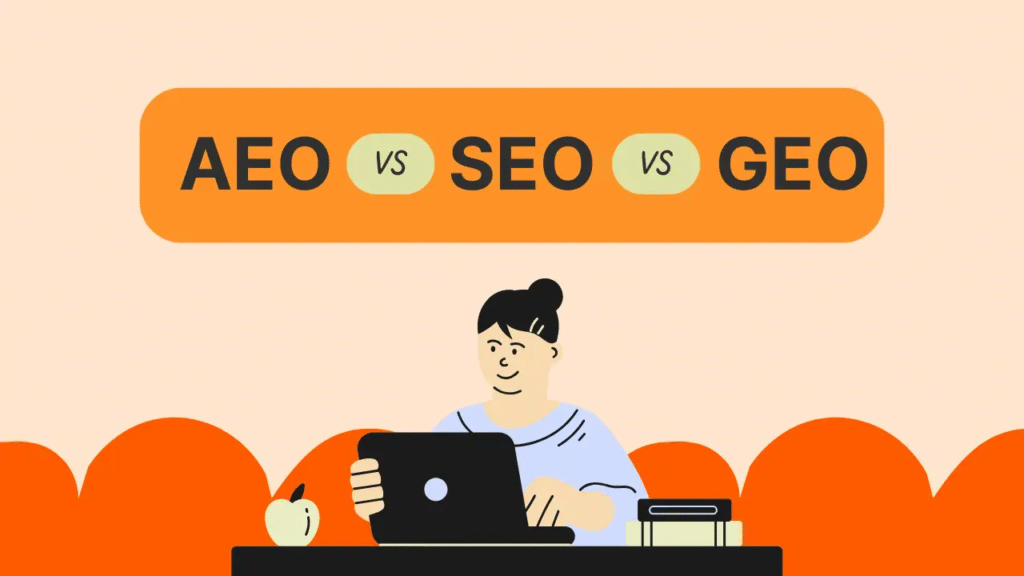
    SEO vs AEO vs GEO
    SEO vs AEO vs GEO

    Search optimization is expanding beyond traditional SEO into :

    Answer Engine Optimization (AEO)

    Optimizing content so AI systems can easily extract, understand, and present your answers.

    Generative Engine Optimization (GEO)

    Optimizing your digital presence so your brand is referenced inside generative AI responses.

    For agencies and businesses offering AI Overview optimization services , Google AI Overview SEO solutions and even generative search optimization in Toronto , this shift creates new growth opportunities.

    How AI Overviews and Featured Snippets Affect Clicks

    AI Overviews and Featured Snippets
    AI Overviews and Featured Snippets

    Featured Snippets

    • Can increase CTR when users want more details
    • Sometimes reduce clicks for simple answers

    AI Overviews

    • May satisfy informational intent right away
    • Still drive high-quality clicks for deeper research

    The biggest shift:

    Success is no longer only about traffic—it’s about visibility and influence.

    Authority vs. Ranking

    Traditional SEO asked:

    “How do I rank #1?”

    Modern AI search asks:

    “How do I become a trusted source?”

    Your brand can appear inside AI Overviews even if your page isn’t ranked #1.

    Content Formats That Perform Best

    For Featured Snippets

    • Definitions
    • Step-by-step guides
    • Lists
    • FAQs

    For AI Overviews

    • Pillar content
    • Topic clusters
    • Case studies
    • Original insights
    • Data-backed explanations

    If you operate in competitive markets like Toronto or Hamilton, building comprehensive topical authority is now more important than ever.

    Real-World Example

    Query:

    “ Difference between AI Overviews vs Featured Snippets ”

    • Featured Snippet: Short definition comparing both
    • AI Overview: Multi-paragraph explanation covering mechanics, impact, and optimization strategies

    Same query. Very different experiences.

    Which Is Better for Your Business?

    Actually one should do optimization for both.

    Featured snippets bring quick wins while AI Overviews help building a long-term authority of your content . Together, they form a powerful visibility strategy.

    Optimization Framework

    Step 1: Map Search Intent

    Identify:

    • Informational queries
    • Comparison queries
    • How-to queries

    Step 2: Build Topic Clusters

    Create one pillar page supported by multiple related articles around it .

    Step 3: Structure your Content Clearly

    • Descriptive headings at start of your content
    • Bullet points for clarity
    • Short paragraphs for easy understanding

    Step 4: Strengthen E-E-A-T

    • Author bios
    • Case studies
    • Client testimonials
    • Real-world examples

    Step 5: Add Schema Markup

    Helps AI systems understand your content.

    Local Optimization for AI Search

    For businesses targeting Toronto and places in Canada :

    • Create location specific landing pages.
    • Mention real service areas naturally while creating your content
    • Use localized case studies
    • Build local backlinks

    AI systems rely heavily on contextual relevance, including geography.

    Common Mistakes

    • Publishing thin content
    • Overusing keywords
    • Relying only on AI-written articles
    • Ignoring content updates
    • Chasing rankings instead of Page authority

    Measuring Success in the New Era by

    Tracking the following points :

    • Brand mentions
    • Impressions
    • Engagement time
    • Assisted conversions
    • AI Overview visibility

    Rankings still matter—but they’re no longer the only metric.

    The Future of Search

    Expect:

    • More conversational results
    • Deeper personalization
    • Voice-driven queries
    • Multimodal answers

    Hence the Search will feel less like browsing and more like talking to an expert.

    Final Thoughts

    Featured snippets and AI Overviews serve different roles—but together they define modern search.

    Featured snippets reward clarity while AI Overviews reward credibility.

    Businesses that invest in topic depth, human expertise, and structured content will dominate both.

    If you want a consistent visibility across traditional and generative searches then the strategy is clear:

    Build authority along with Answering real questions and together that will create content that deserves to be trusted.

    FAQs

    What is the main difference between AI Overviews and featured snippets?

    AI Overviews generate synthesized answers using multiple trusted sources, while featured snippets pull a short excerpt from a single webpage. One focuses on contextual explanations, and the other highlights a direct answer from one source.

    Can a website appear in both AI Overviews and featured snippets?

    Yes. Pages that provide clear answers and strong topical authority can be used for featured snippets and also cited within AI Overviews, increasing overall visibility across different search formats.

    Do AI Overviews replace featured snippets completely?

    No. Featured snippets still appear for many simple queries. AI Overviews mainly show for complex or multi-part questions where deeper context is required.

    How can Toronto businesses optimize for AI Overviews?

    By creating authoritative content, using clear structure, adding schema markup, and building location relevance through Toronto-focused pages and local case studies.

    Are keywords still important for AI search optimization?

    Yes  but they should support the topic and the intent naturally . AI systems prioritize meaning , context and depth over exact-match repetitions.

    Does optimizing for AI Overviews also help traditional SEO?

    Absolutely. Topic authority, structured content, and E-E-A-T improvements strengthen both AI visibility and organic rankings.

    What type of content performs best for generative search results?

    In-depth guides, comparison articles, FAQs, case studies, and expert-driven content tend to perform best.

    Is AI Overview optimization relevant for local businesses in Hamilton?

    Yes. Local relevance combined with strong topical authority improves visibility in both AI Overviews and localized search results.

    How long does it take to see results from AI-focused optimization?

    Typically 3–6 months, depending upon the competition along with content quality and consistency of updates.

    Will AI Overviews continue evolving?

    Yes. Google is continuously refining how AI understands queries, sources information, and presents results.

  • What Are Google AI Overviews and How they Work?

    What Are Google AI Overviews and How they Work?

    Searching is no longer just about typing a few keywords and the scrolling through ten blue links. Now a days  AI Overview is reshaping how people discover information then compare options and finally making decisions. Instead of simply listing pages, search engines now generate intelligent summaries, pull insights from multiple sources, and present answers instantly.

    If you have noticed richer summaries, conversational responses, and AI-generated explanations at the top of search results, you are already experiencing Google AI Overview in action.

    For businesses, marketers, and content creators, this shift is more than a cosmetic update—it changes how visibility is earned, how authority is built, and how trust is established online.

    In this blog , we will break down what is an  AI Overview and how it works behind the scenes , why it matters, and how you can optimize your digital presence for generative search results and the evolving AI SERP landscape.

    Understanding AI Overview in Simple Terms

    Understanding AI Overview
    Understanding AI Overview

    AI Overview is a search feature that uses artificial intelligence to generate summarized, contextual answers directly within search results. Instead of forcing users to click multiple links, AI systems analyze large amounts of content across the web and present a synthesized response.

    Think of it as a smart research assistant that:

    • Understands your question
    • Finds the most relevant information
    • Combines insights from trusted sources
    • Presents a clear, readable summary

    This creates a more fluid and conversational search experience.

    At its core, Google AI Overview is powered by advanced language models from Google, designed to understand intent, context, and nuance rather than just matching keywords.

    Why AI Overview Was Introduced

    Traditional search methods have been effective for many years, but they do have some limitations.

    • Users had to scan multiple pages
    • Conflicting information caused confusion
    • Complex questions required deep research

    AI Overview solves these problems by offering:

    • Faster answers
    • Better context
    • Simplified explanations

    Search engines are now shifting from being a regular directories of a websites to becoming an intelligent answer engines.

    How AI Overview Works (Behind the Scenes)

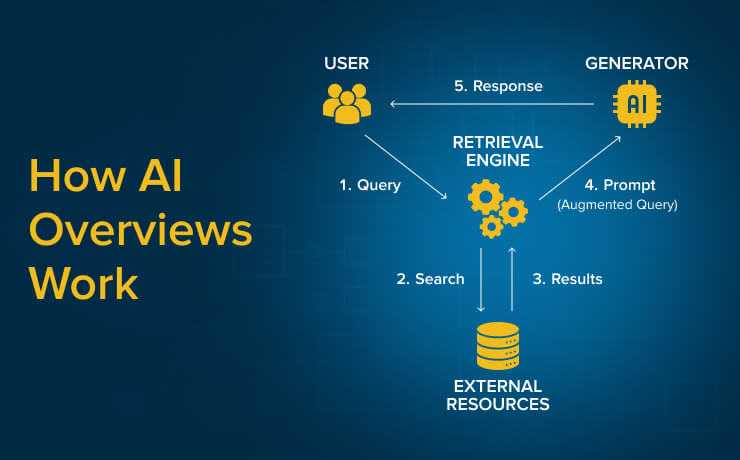
    Understanding how AI Overview works
    Understanding how AI Overview works

    Understanding how AI Overview functions helps you optimize for it effectively.

    1. Query Interpretation

    When a user types or speaks a query, AI systems analyze:

    • Search intent (informational, transactional, navigational)
    • Contextual meaning of the content
    • Related subtopics of a particular content

    For example, “How does AI Overview affect SEO?” is interpreted differently from “What is AI Overview?”

    2. Content Retrieval

    The system scans billions of web pages, pulling information from:

    • High-authority websites
    • Structured data
    • Fresh content
    • User engagement signals

    3. Content Synthesis

    Rather than displaying one source, AI models combine insights into a single, coherent explanation—this becomes the generative search results block.

    4. Ranking & Display

    The AI-generated summary appears at the top, followed by supporting links, videos, and images inside the AI SERP.

    Key Components of Google AI Overview

    Natural Language Understanding

    AI models reads the conversational queries naturally , including long-tail and complex questions.

    Semantic Search

    Instead of exact-match keywords, AI focuses on meaning, relationships, and topical depth.

    Multimodal Capabilities

    AI can process text, images, and video to deliver richer results.

    Continuous Learning

    Systems improve over time based on user behavior and feedback.

    How AI Overview Changes Traditional SEO

    AI Overview Changes Traditional SEO
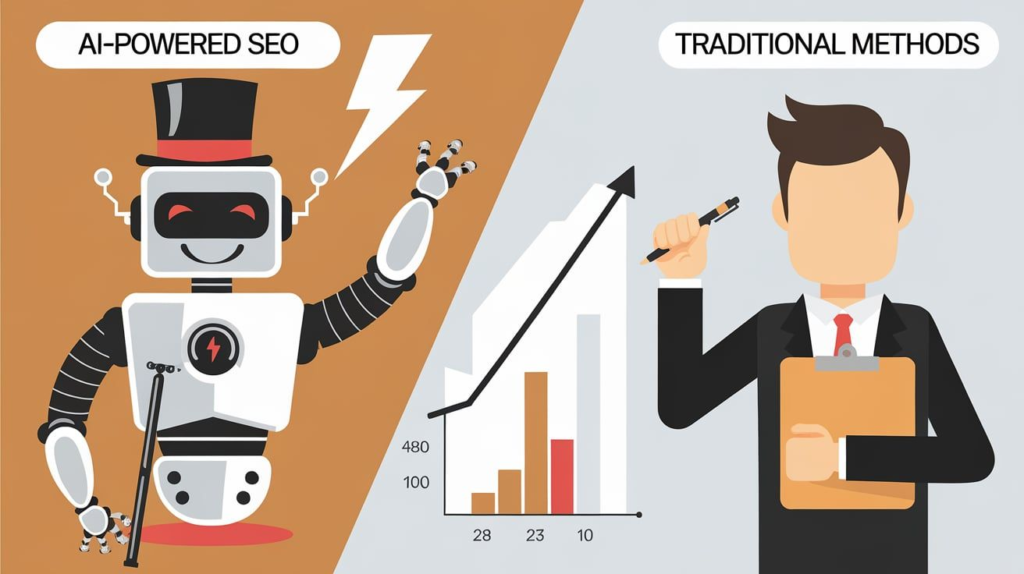
    AI Powered SEO vs Traditional SEO

    SEO is not dead but it is actually evolving day by da and upgrading itself.

    From Keywords to Concepts

    Exact-match keywords matter less than comprehensive topic coverage.

    From Ranking Pages to Being Cited

    Success now includes being referenced inside AI summaries, not just ranking #1.

    From Traffic-Only Metrics to Visibility Metrics

    Impressions inside AI Overviews, brand mentions, and authority signals are becoming more valuable.

    Benefits of AI Overview for Users

    • Faster answers
    • Reduced research time
    • Clear explanations
    • Better comparison insights

    Benefits of AI Overview for Businesses

    • Greater exposure
    • Authority positioning
    • Higher trust
    • Increased brand recall

    When your content is used as a source for generative search results, your brand becomes part of the answer.

    Industries Impacted Most by AI Overview

    • Healthcare
    • Finance
    • Education
    • E-commerce
    • SaaS
    • Digital marketing

    Any industry where users ask questions will feel the impact.

    How to Optimize for AI Overview

    1. Create Topic-Focused Content

    Instead of writing small posts , we should focus more on building in depth guides around core themes of your subject .

    2. Answer Real Questions

    Use the FAQs, how-to sections and problem-solution frameworks

    3. Improve E-E-A-T Signals

    Show Experience, Expertise, Authority, and Trustworthiness.

    4. Use Clear Structure

    Headings, bullet points, and short paragraphs help AI extract information.

    5. Optimize for Conversational Queries

    Think about how people speak, not just how they type.

    Role of Structured Data

    Schema markup helps AI understand:

    • What your page is about
    • Who it is for
    • Key attributes

    This improves eligibility for AI SERP inclusion.

    Long-Tail Keywords That Perform Well in AI Search

    • how does AI Overview work in Google search
    • best strategies to optimize for AI Overview
    • difference between AI Overview and featured snippets
    • how to rank inside generative search results

    Local AI Search Optimization (Strategic Placement)

    Businesses offering advanced SEO and AI search services are seeing strong demand in:

    Local relevance combined with the topical authority improves the visibility in AI-powered results.

    Common Mistakes to Avoid

    • Keyword stuffing
    • Thin content
    • Ignoring user intent
    • Publishing generic AI-generated articles
    • Lack of citations and credibility

    AI systems favor helpful, human-centered content.

    Measuring Success in the AI Overview Era

    Track:

    • Brand mentions
    • Impressions for the website in the Search Engine
    • Engagement time
    • Conversion quality
    • Assisted conversions

    Traditional ranking alone is no longer enough.

    The Future of AI Overview

    Expect:

    • More personalization
    • Voice-first search growth
    • Deeper multimodal results
    • Real-time data integration

    Search will increasingly feel like a conversation.

    Final Thoughts

    AI Overview actually represents a fundamental shift in how information is discovered online . Businesses that adapt early—by creating authoritative, helpful, and user-first content—will gain a powerful advantage.

    If your purpose is get shown in Google AI Overview then try to get the position in generative search results and then succeed inside the evolving AI SERP , the strategy is clear: focus on depth, credibility, and real value.

    FAQs

    What is AI Overview in simple terms?

    AI Overview is a Google search feature that uses AI to generate summarized and simple answers at the top of results by combining information from multiple trusted sources.

    How is AI Overview different from featured snippets?

    Featured snippets pull content from one webpage, while AI Overview synthesizes information from many sources to create a comprehensive response.

    Can my website appear inside AI Overview results?

    Yes it can . Websites with authoritative, well-structured, and helpful content can be referenced within AI Overview summaries.

    Does AI Overview reduce website traffic?

    It may change traffic patterns, but strong visibility inside AI summaries can increase brand trust and higher-quality visits.

    How do I optimize content for AI Overview?

    By giving importance to the topic depth along with providing clear answers with structuring content and headings .

    Is AI Overview available for all searches?

    No. It mainly appears for informational and complex queries where summaries provide high value.

    Does local SEO still matter with AI Overview?

    Yes. Local signals help AI determine relevance for location-based searches.

    Are keywords still important for AI search?

    Yes, but they should support the topics and intent rather than just being used unnaturally.

    Will AI Overview continue evolving?

    Absolutely. Google is continuously improving how AI understands queries and delivers results.

  • 7 Key Differences Between AEO vs GEO vs LLMO SEO in 2026 (And How to Win All Three)

    7 Key Differences Between AEO vs GEO vs LLMO SEO in 2026 (And How to Win All Three)

    Search behavior has changed more in the last three years than it did in the previous 10 years . People no longer rely only on the blue links. They ask questions inside AI chatbots, browse AI-generated summaries, and expect instant answers without clicking ten pages, which is why AEO vs GEO vs LLMO SEO has become central to how modern content is discovered and ranked.

    This shift has created three new optimization approaches that marketers are actively discussing:

    • Answer Engine Optimization
    • Generative Engine Optimization
    • Large Language Model Optimization

    Together, they are shaping what modern SEO looks like in 2026.

    Understanding how these models work — and how they connect — is now essential for brands that want visibility in Canada, especially in competitive regions like Toronto, Hamilton, and across Ontario.

    This guide explains what each framework means, how they differ, and how to build one practical system that supports all three without wasting time or budget.

    What Is Answer Engine Optimization (AEO)?

    AEO vs GEO vs LLMO
    Answer Engine Optimization

    Answer Engine Optimization (AEO) primarily aims to help search engines retrieve direct and concise answers from the content you provide .

    Instead of only ranking pages, Google and other platforms now aim to present immediate responses through featured snippets, People Also Ask boxes, and voice assistants.

    AEO is about:

    • Clear definitions
    • Short explanatory paragraphs
    • Structured questions and answers
    • Easy-to-scan formatting

    When done correctly, AEO allows your content to become the “answer source” for common questions.

    Businesses that benefit heavily from AEO include service providers, local businesses, and companies targeting high-intent informational queries.

    What Is Generative Engine Optimization (GEO)?

    Generative Engine Optimization
    Generative Engine Optimization

    Generative Engine Optimization (GEO) examines how AI chooses content for summarization along with reference and citation in AI summaries and generative search results across the Search engine .

    Instead of pulling one short answer, these systems analyze multiple sources and combine insights.

    GEO prioritizes:

    • Depth of content
    • Demonstrated expertise
    • Topic coverage
    • Freshness and accuracy

    Strong GEO content often appears as part of AI-generated summaries rather than just traditional rankings.

    What Is Large Language Model Optimization (LLMO)?

    Large Language Model Optimization
    Large Language Model Optimization

    Large Language Model Optimization is about influencing how conversational AI tools understand and reference your brand, services, and expertise.

    Rather than optimizing pages alone, LLMO focuses on:

    • Entity clarity
    • Consistent terminology
    • Mentioning the brands various authoritative platforms
    • Original insights and frameworks

    When LLMO is done well, AI systems confidently describe your business and include you in long-form responses.

    Why These Three Are Still SEO (Not Replacements)

    AEO, GEO, and LLMO do not replace SEO.

    They extend it.

    Technical SEO, on-page optimization, internal linking, and site performance still matter. These latest approaches simply ensure that your content perform well across modern discovery channels , including AI-driven surfaces.

    Think of them as layers:

    SEO → Foundation

    AEO → Structure

    GEO → Authority

    LLMO → Semantic Understanding

    Together, they create durable visibility.

    AEO vs GEO vs LLMO: Quick Comparison Table

    FactorAEOGEOLLMO
    Primary GoalBecome direct answerBecome trusted sourceShape AI understanding
    Best ForQuestion-based queriesBroad informational searchesConversational AI
    Content LengthShort to mediumMedium to longLong-form
    Main FocusStructureDepthEntity clarity
    Where Content AppearsSnippets, PAAAI summariesChatbot responses
    Optimization StyleFormattingResearch & coverageConsistency

    The 7 Key Differences Between AEO, GEO, and LLMO

    1. Search Intent They Target

    AEO focuses on direct questions.

    GEO focuses mostly on exploration and learning .

    LLMO focuses on open-ended conversation.

    Each aligns with different stages of the user journey.

    2. How Content Is Selected

    AEO systems extract.

    GEO systems evaluate and summarize.

    LLMO systems interpret and generate.

    Understanding this difference helps shape writing style.

    3. Ideal Content Format

    • AEO usually like short paragraphs even bullet points and short definitions having to the point answers.
    • GEO is more effective with comprehensive guides and topical clusters.
    • LLMO favors well-organized long-form content with consistent language.

    4. Trust Signals Required

    • AEO needs clarity.
    • GEO needs credibility.
    • LLMO needs authority and recognition.

    5. Measurement Metrics

    AEO: Ownership of snippets and visibility in People Also Ask (PAA) sections .

    GEO: Overview of AI Appearances

    LLMO: brand mentions inside the AI tools

    6. Update Frequency

    AEO content requires periodic formatting updates.

    GEO content needs freshness and expanded depth.

    LLMO content benefits from ongoing brand presence across the web.

    7. Business Impact

    AEO drives fast wins.

    GEO builds long term authority of the content .

    LLMO strengthens brand equity .

    How They Work Together in a Single Strategy

    Rather than choosing one framework, smart brands build content that naturally supports all three.

    Here’s how:

    1. Start with a clear definition (AEO)
    2. Expand into a detailed explanation (GEO)
    3. Use consistent terminology and branding (LLMO)

    This layered approach prevents duplicate/plagarised content and increases the reach .

    Building an Optimization System That Supports All Three

    1. Strong Technical Foundation

    Fast loading pages, clean URLs, mobile responsiveness, and logical site architecture remain essential.

    Without technical stability, none of these frameworks perform well.

    2. Structure Content for Extraction

    Uses :

    • Question in the subheadings
    • Short introductory definitions
    • Lists and tables

    This increases answer overall eligibility .

    3. Expand Depth for Authority

    After quick answers, provide :

    • Detailed Examples
    • Case explanations
    • Practical steps
    • Supporting context

    This builds trust with generative systems.

    4. Strengthen Entity Signals

    Use consistent business name, service descriptions, and niche terminology across:

    • Overall Website
    • Blogs in the website
    • Detailed Author Bios with relevant Social media links
    • Social profiles of the author

    This improves how models recognize your brand.

    5. Use Internal Topic Clusters

    Connect related articles using internal links to demonstrate topical mapping and authority of the content. This enhances the signals from both GEO and LLMO eventually.

    Local Optimization Matters More Than Ever

    AI systems increasingly personalize responses by location.

    If you operate in Toronto, Hamilton, or across Ontario, include city-specific service pages, case studies, and testimonials by the clients .

    This enhance the visibility for the searches tied to SEO services in Canada, local consulting, and regional business solutions.

    Common Mistakes to Avoid

    • Writing only for keywords
    • Ignoring structure
    • Publishing thin content
    • Inconsistent branding
    • Overusing automation tools

    Human-edited content still wins in 2026.

    Future-Proofing Your Content

    The platforms will change over time, but the core principles will always remain consistent no matter what.

    • Clear answers
    • Deep explanations
    • Trustworthy information

    Brands that invest in quality content now will adapt more easily later.

    Final Thoughts

    AEO, GEO, and LLMO are not competing strategies. There are three perspectives aimed at the same goal: assisting people in finding accurate and helpful information wherever they search.

    Brands that align structure, depth, and consistency will dominate visibility in 2026 — across search engines, generative summaries, and conversational AI.

    If you build for humans first and machines second, you will win across all three.

    FAQs

    Are AEO, GEO, and LLMO different types of SEO?

    AEO, GEO, and LLMO are not distinct alternatives to SEO.They are the modern extensions that help content perform across answer engines, generative search experiences and conversational AI tools while still relying on core SEO principles like relevance, authority and usability.

    Which optimization approach should businesses start with in 2026?

    Most businesses should begin with AEO since it improves content structure and clarity overall. Once strong formatting is in its place, GEO adds topical depth to the content and LLMO strengthens how AI systems interpret your brand and expertise across the platforms.

    Does traditional keyword research still matter with AI-driven search?

    Yes, keyword research still matters, but intent-based research matters the most . Instead of focusing only on exact matches, businesses should understand user questions, problems, and contexts that AI systems associate with broader search topics.

    Can one webpage rank for AEO, GEO, and LLMO simultaneously?

    Yes, a single well-structured page can support all three aspects when it provides concise answers that have simple yet clear explanations, and consistent terminology that helps both search engines and large language models understand and reuse the content.

    How long should blog content be for effective GEO and LLMO performance?

    The length of the content is less important than ensuring it is complete.. Pages should be long enough to fully explain the topic, address related subtopics, and demonstrate expertise without unnecessary filler or repetitive sections.

    Are backlinks still important in AEO, GEO, and LLMO strategies?

    Backlinks remain valuable, but quality and topical relevance matter more than volume. Links from authoritative, niche-related websites help AI systems assess trustworthiness and improve how your content is perceived.

    Will AI chatbots replace traditional search engines completely?

    AI chatbots will continue to grow, but traditional search engines are not disappearing. Instead, both systems are merging all together , creating a hybrid experiences that combine search results with generative AI responses.

    How often should content be updated to stay competitive in 2026?

    Most evergreen content should be reviewed every six to twelve months. Updates should focus on accuracy, freshness, expanded insights, and improved structure rather than simply changing dates.

    Does local SEO influence AI-generated search results?

    Yes, local SEO plays a strong role here . AI systems uses location signals, business profiles and even regional content to personalize answers for users searching within specific cities or service areas.

  • 14 Things to Know About AEO vs SEO vs GEO in the Age of AI Search

    14 Things to Know About AEO vs SEO vs GEO in the Age of AI Search

    Not long ago, searching meant typing a few words into Google, skimming a page, and moving on. That simple behavior shaped how SEO developed and also explains why today we talk about AEO vs SEO vs GEO as different ways of approaching visibility. Ranking pages mattered because users needed somewhere to go.

    Many searches end without a click. The answer shows up right on the results page. Sometimes it’s a featured snippet. Sometimes it’s an AI-generated overview. Sometimes it’s a voice assistant reading one response out loud.

    This shift is exactly why AEO and GEO exist. Not as buzzwords. Not as replacements for SEO. But as natural adaptations to the way people now find and consume information.

    To understand which one works best — and when — it helps to stop thinking in tactics and start thinking about user intent at different moments of discovery.

    How Search Behavior Actually Changed

    People still say Google it. But what they expect when they do has changed.

    Search used to be exploratory. You opened multiple tabs. You compared articles. You stitched together your own understanding.
    Now, users expect the system to do that work for them.They ask full questions and in return they expect summarized explanations.

    And, more often than they realize, they trust the first answer they see. This shift happened gradually in following ways:

    • Google introduced featured snippets to answer simple questions.
    • “People Also Ask” boxes reduced the need for multiple searches .
    • Voice search make people ask conversational queries.
    • AI overviews and large language models began summarizing entire topics.

    The result is a search environment where visibility doesn’t always require a visit, and influence doesn’t always show up in analytics.

    SEO, AEO, and GEO exist because each aligns with a different way people now consume information.

    What SEO Really Means now a days

    SEO real meaning
    SEO is about making content discoverable

    At its surface, SEO is about making content discoverable in traditional search results . But practically speaking, SEO serves a specific type of intent that is  depth-driven intent.

    SEO works best when someone:

    • Wants to learn something thoroughly
    • Is comparing options
    • Is researching before a decision
    • Needs step-by-step guidance
    • Is willing to spend time reading

    That’s why SEO favors long form of content, strong internal linkings and most importantly topical authority. It assumes the user is prepared to engage with a page, not just glance at an answer.

    SEO isn’t just keywords and backlinks. At its core, it’s about organizing information in a way search engines can evaluate and humans can trust.

    When SEO works well, it builds:

    • Sustainable traffic
    • Connected content ecosystems
    • Conversion pathways
    • Long-term authority

    That’s why SEO still powers blogs, service pages, ecommerce listings, and educational resources.

    The Limitation SEO Now Faces

    SEO assumes the user will click. Increasingly, they don’t.

    When Google answers “What is Performance Max?” directly in the results, the top-ranking article might never get visited . That doesn’t mean the content failed. It means the platform extracted the value without giving any visit to that pertipular page.

    This isn’t a punishment but simply a distribution shift.

    SEO still matters, but it no longer controls how information is consumed.

    That gap is where AEO fits.

    What AEO Is Actually Optimizing For

    AEO - answer engine optimisation
    AEO Is More About Trust

    Answer Engine Optimization mainly focuses on being understood and extracted, not just ranked.

    AEO content is written so a system can:

    • Recognize the question
    • Isolate the answer
    • Present it cleanly
    • Deliver it instantly

    AEO performs best for:

    • Definitions
    • Rules and principles
    • Basic comparisons

    “What is” and “How does” queries

    Voice search responses

    If googles What is the 80 / 20 towing rule ? then they aren’t looking for a 3,000 word article based on it . They just want a clear and simple explanation they can trust and understand easily.

    AEO prioritizes:

    • Direct language
    • Logical flow
    • Minimal ambiguity
    • Natural phrasing
    • Context without digression

    It doesn’t mean “short.” It means clear.

    Why AEO Is More About Trust Than Traffic

    A common mistake is trying to measure AEO using traditional SEO metrics.

    AEO often creates:

    Brand exposure without any real clicks

    Authority without any parlticular sessions

    Recall without any strong visible engagement

    If someone hears your explanation through voice search or sees it in a snippet, they may never visit your site but your brand still shaped their understanding accordingly . AEO is mostly valuable for:

    • Early-stage awareness
    • Educational industries
    • Technical topics
    • Local and informational searches

    It answers the question that comes before someone is ready to read deeply.

    Where AEO Stops Working

    AEO explains but it doesn’t nurture.

    Once someone wants context, examples, trade-offs or help in making decisions then in that case AEO alone isn’t enough. It provides clarity, then steps aside.

    That’s why AEO works best layered on top of SEO, not instead of it.

    And even together, SEO and AEO still don’t cover everything.
    What GEO Is — And Why It’s Different

    What GEO Is
    Generative Engine Optimization

    Generative Engine Optimization focuses on how AI systems interpret, prioritize, and reproduce information. It isn’t about rankings or about snippets. It’s about influencing the answers AI generates.

    When someone asks ChatGPT or Gemini:

    “Which is better: SEO or AEO?”

    or

    “How should small businesses approach AI search?”

    The system doesn’t show ten blue links. It synthesizes many sources into a single explanation. GEO-oriented content is written to:

    • Be easy for AI models to interpret
    • Demonstrate real expertise
    • Offer original framing
    • Avoid generic language
    • Signal experience and authority

    GEO isn’t about keywords. It’s about concept ownership.

    GEO Is Invisible — But Powerful

    There are no dashboards for GEO.

    • No rankings.
    • No impressions.
    • No CTR.

    But it has its influence.When AI systems consistently reflect your definitions, frameworks, and explanations, you influence how knowledge spreads, even without attachments.

    GEO matters most for:

    • Thought leadership
    • B2B brands
    • Technical industries
    • High-trust topics
    • Future-facing visibility

    It’s not about traffic its about being the source AI learns from .

    Why Human Writing Matters So Much for GEO

    AI models don’t look for keyword density.

    They look for:

    • Clear reasoning
    • Natural language
    • Cause-and-effect explanations
    • Grounded claims
    • Signs of real understanding

    That’s why templated SEO content rarely appears in AI-generated answers. It sounds interchangeable.

    GEO rewards content that feels like it was written by someone who actually understands the topic well enough to explain it simply.

    How SEO, AEO, and GEO Work Together

    AEO vs SEO vs GEO
    SEO, AEO, and GEO Work Together

    Strong content doesn’t choose one.

    It uses:

    SEO to establish depth , AEO to clarify key questions that are asked

    and GEO to shape how ideas are framed.

    Think of it like this:

    • SEO builds the full explanation.
    • AEO defines the core ideas.
    • GEO shapes the takeaway AI repeats.

    One piece of content can do all three when it’s written thoughtfully.

    Stop Asking Which One Is “Better”

    They solve different problems all together .

    • SEO builds reach of your content.
    • AEO builds clarity of the information.
    • GEO builds influence of your content.

    The advantage comes from knowing what the user is actually trying to accomplish in that moment.

    How Systems Decide What to Surface

    Search engines rank pages , answer engines extract statements while generative engines synthesize understanding.

    Each looks for something different. Google cares about coverage, quality, authority, and engagement. Answer engines look for clean question–answer alignment. AI models look for reasoning, structure, and consistency.

    That’s why a page can rank well but never appear in AI answers — and another can shape AI responses without ranking at all.

    SEO vs AEO: It’s Not Length but the Intent.

    SEO assumes the reader wants to explore and AEO assumes the reader wants resolution.

    For example:

    “Best enclosed trailer for contractors” → SEO

    “What is the 60/40 trailer loading rule?” → AEO

    “How to choose a trailer for landscaping” → SEO

    Trying to force one style into the other usually creates weak content.

    Where GEO Changes Everything

    GEO isn’t answering a single question.

    It’s shaping how a topic is understood.

    When AI explains SEO vs AEO, it draws from multiple interpretations and merges them into one narrative. The narratives that survive tend to come from content that explains trade-offs honestly and avoids hype.

    That’s why heavily promotional affiliate content almost never influences AI answers. GEO rewards editorial thinking.

    Final Thought

    There is no single winner.

    • SEO builds reach of your content .
    • AEO builds clarity.
    • GEO builds influence.

    The brands that will win long-term aren’t choosing between them. They’re aligning all three with how people actually search, learn, and decide.

    Search is no longer just about being found.

    It’s about having an understanding that is repeated and trusted, even when nobody if clicking to your page.

    What is the difference between SEO, AEO, and GEO in simple terms?

    SEO helps pages rank in search results for users who want to read and explore. AEO structures content so answer engines can extract direct answers. GEO shapes how AI systems interpret and generate explanations. SEO drives traffic, AEO delivers answers, and GEO influences AI responses.

    Is SEO still important if Google and AI tools show answers without clicks?

    Yes. SEO is still essential for research-driven searches, comparisons, and buying decisions. It builds authority, depth, and conversion paths that AI summaries cannot replace.

    What types of queries are best for AEO?

    AEO works best for direct, factual questions such as definitions, rules, principles, and basic “how does it work” queries where users want a fast, accurate answer.

    How does GEO affect visibility in ChatGPT, Gemini, and other AI tools?

    GEO increases the likelihood that AI systems reuse your explanations when generating answers by signaling clarity, expertise, and reliable reasoning.

    Can one page be optimized for SEO, AEO, and GEO?

    Yes. A single page can rank with SEO, provide extractable answers with AEO, and influence AI understanding with GEO when written clearly and logically.

    Why does some content rank in Google but not appear in AI answers?

    Because Google ranks pages, while AI models reuse explanations. Content that lacks clear reasoning or depth may rank but still be ignored by AI systems.

    When should businesses prioritize GEO?

    When the goal is thought leadership, authority building, and long-term AI visibility, especially in B2B, SaaS, and technical industries.

    What is the biggest mistake brands make with SEO, AEO, and GEO?

    Treating them as separate strategies instead of combining them into one clear, well-explained content approach.

  • AI in Digital Marketing – The Complete Guide 2026

    AI in Digital Marketing – The Complete Guide 2026

    Artificial intelligence is not just a concept for the future of the marketing industry; AI in Digital Marketing 2026 is the current driving force behind smarter decision-making, more precise targeting, and accelerated growth. With tools like predictive analytics and real-time personalization, brands worldwide are transforming the way they engage with customers.Whether you are a startup exploring automation or an established enterprise searching for a strategic edge, understanding AI in digital marketing is now essential. Businesses working with an AI Marketing agency Toronto and similar innovation-driven partners are already seeing how intelligent systems can turn raw data into meaningful customer experiences.

    This complete guide explores what AI in digital marketing truly means in 2026, how it works, where it delivers the most impact, and how you can leverage it to stay competitive in an increasingly intelligent digital landscape.

    What is AI in Digital Marketing 2026 ?

    AI in digital marketing
    AI is Transforming Digital Marketing in 2026

    AI in digital marketing refers to the use of artificial intelligence technologies—such as machine learning, natural language processing, computer vision, and predictive analytics—to automate, optimize, and personalize marketing efforts. Instead of relying solely on human intuition and static rules, AI systems analyze massive datasets in real time to identify patterns, predict outcomes, and recommend or execute actions.

    At its core, AI-driven marketing focuses on three main goals:

    • Understanding customer behavior more deeply
    • Delivering highly relevant experiences at scale
    • Improving efficiency and return on investment

    Important components of AI in digital marketing :

    • Machine Learning Algorithms that learn from historical data to improve future performance
    • Predictive Analytics to forecast trends and customer actions
    • Natural Language Processing (NLP) for understanding and generating human language
    • Automation Engines that execute tasks with minimal manual input

    Unlike traditional marketing automation, AI systems evolve nonstop . They adapt as per consumer behavior changes, making campaigns more responsive and accurate over time.

    Why AI is Transforming Digital Marketing in 2026

    Several factors have accelerated AI adoption in marketing:

    • Explosion of customer data across platforms
    • Rising demand for personalization
    • Increasing competition for attention
    • Pressure to prove measurable ROI

    In 2026, AI is not just a tool—it is a strategic foundation. Brands are using AI to move from reactive marketing to proactive and predictive marketing. Instead of asking, “What happened?” marketers now ask, “What will happen next?”

    Some of the most important advantages include:

    • Faster decision-making
    • More accurate targeting
    • Reduced operational costs
    • Enhanced customer lifetime value

    How to Use AI in Digital Marketing

    AI in Digital Marketing
    Use AI in Digital Marketing

    AI can be applied across every stage of the marketing funnel. The key is understanding where automation adds value and where human creativity remains essential.

    1. Data Collection and Analysis

    AI tools aggregate data from websites, social media, email campaigns, CRM systems, and advertising platforms. Advanced analytics platforms transform these data into actionable insights by identifying the trends, anomalies, and the correlations.

    Benefits are :

    • Real-time performance tracking
    • Automated reporting
    • Deeper audience insights

    2. Personalization at Scale

    AI enables hyper-personalized experiences by analyzing individual behavior and preferences. Content writing , product recommendations, emails, and advertisements can all be tailored to meet the preferences of each individual user.

    Examples:

    • Personalized email subject lines
    • Dynamic website content
    • AI-powered product recommendations

    3. Marketing Automation

    AI-driven automation goes beyond scheduling posts. It dynamically adjusts campaigns based on performance signals.

    Examples:

    • Automatically adjusting advertising budgets.
    • Triggering personalized messages
    • Adjusting bids in real time

    4. Predictive Decision-Making

    Predictive models forecast customer actions such as likelihood to purchase, churn probability, or optimal time to engage.

    This allows marketers to prioritize high-value opportunities and intervene before problems occur.

    Customer Segmentation with AI

    Customer Segmentation with AI
    AI-driven Customer segmentation

    Traditional segmentation largely depends on broad categories like age, location, or income. AI-driven segmentation is far more sophisticated and perfect .

    AI analyzes behavioral data, browsing history, purchase patterns, and engagement signals to create micro-segments that evolve over time.

    Types of AI-Based Segmentation

    • Behavioral segmentation
    • Intent-based segmentation
    • Predictive segmentation
    • Value-based segmentation

    Benefits

    • Higher conversion rates
    • More relevant messaging
    • Better customer retention

    Instead of sending the same message to thousands of people, AI ensures each segment receives content aligned with its unique needs.

    AI and SEO: Smarter Search Optimization

    AI and SEO
    AI Enhances SEO

    Search engine optimization has become increasingly data-driven. AI plays a very important role in understanding search intent, optimizing content, and predicting ranking opportunities.

    An experienced AI SEO Agency uses artificial intelligence to analyze search patterns, competitor strategies, and content performance at scale.

    How AI Enhances SEO

    • Keyword discovery based on user intent
    • Content gap analysis
    • Automated technical SEO audit
    • Predictive ranking insights

    AI tools assess thousands of ranking signals and suggest optimizations to enhance visibility .

    Content Optimization

    AI-powered platforms assess readability, structure, topical relevance, and semantic depth to help create content that aligns with modern search algorithms.

    Voice and Conversational Search

    With the rise of voice assistants in todays time , AI helps optimize content for conversational queries and long-tail phrases.

    AI in Pay-Per-Click Advertising

    AI in Pay-Per-Click
    Pay-per-click advertising

    Pay-per-click advertising has evolved into an intelligent, self-optimizing ecosystem.

    AI algorithms continuously test ad variations, adjust bids, and refine targeting based on performance data.

    Key Applications

    • Smart bidding strategies
    • Automated A/B testing
    • Audience expansion
    • Fraud detection

    Benefits

    • Lower cost per acquisition
    • Higher click-through rates
    • Improved ad relevance

    By analyzing millions of data points, AI determines which combinations of copy, visuals, audience, and placement generate the best results.

    AI for Content Marketing

    AI Content Marketing
    AI for Content Marketing

    Content creation and distribution are increasingly supported by AI.

    Applications include :

    • Giving the Idea of a Topic
    • Content outlining
    • Performance prediction
    • Distribution timing optimization

    AI does not replace human creativity—it enhances it. Marketers still shape brand voice, storytelling, and strategy.

    AI in Email Marketing

    AI-powered email platforms analyze recipient behavior to optimize:

    • Subject lines
    • Send times
    • Content blocks
    • Frequency of the E-marketing

    This results in high open rates, improved engagement rates, and fewer unsubscribes by the customers.

    AI in Social Media Marketing

    AI in Social Media Marketing
    AI-driven methods for Social Media Marketing

    AI helps brands manage complex social ecosystems by:

    • Identifying trending topics
    • Scheduling optimal posting times
    • Analyzing sentiment
    • Monitoring brand mentions

    AI-driven insights ensure social strategies remain relevant and data-backed.

    AI for E-commerce Marketing

    AI for E-commerce
    AI E-commerce Marketing

    E-commerce brands rely greatly on AI to personalize the shopping experiences and increase the average order value.

    An AI E-commerce Marketing agency typically leverages AI for:

    • Product recommendations
    • Dynamic pricing
    • Cart abandonment recovery
    • Customer lifetime value prediction

    These capabilities drive higher conversions and repeat purchases.

    AI Optimization Across Channels

    Genuine AI-driven marketing is omnichannel.. Data flows between platforms to create a unified view of each customer.

    Businesses focusing on AI Optimisation in Canada often prioritize:

    • Unified data infrastructure
    • Cross-channel attribution
    • Centralized dashboards

    This approach ensures consistent experiences and better resource allocation.

    Ethical and Privacy Considerations

    As AI becomes more powerful, ethical usage is critical and important.

    Best practices include:

    • Transparent data collection
    • Compliance with privacy regulations
    • Bias mitigation
    • Secure data storage

    Trust is a competitive advantage in 2026.

    Building an AI-Driven Marketing Strategy

    1. Define clear objectives
    2. Audit existing data
    3. Select the right tools
    4. Integrate platforms
    5. Train teams
    6. Monitor and refine

    AI implementation is continious process and not a one-time project.

    The Human Role in AI Marketing

    AI handles analysis and execution at scale, but humans provide:

    • Strategic vision
    • Creative direction
    • Ethical oversight
    • Relationship building

    The most successful brands blend human insight with machine intelligence.

    Bottom-Line: Your growth, Our mission

    At Adsagenz, we don’t just run the campaigns , we build partnerships. Every strategy, every design, every ad is crafted with one goal: helping your brand grow smarter, faster, and stronger.

    Founded in 2025, Adsagenz was built on the principle that marketing should be accessible, actionable, and aligned with real outcomes.

    Since then, we’ve helped many startups and established brands alike scale their digital presence, optimize revenue, and sharpen their competitive edge.

    Marketing should be clear, accountable, and effective. We guide brands through every step, turning challenges into opportunities and strategies into measurable growth.

    FAQs

    1. What is AI in digital marketing and how does it work?

      Digital marketing utilizes the AI to automate personalize and optimize the campaigns by analyzing the user behavior and predicting outcomes through machine learning and data analytics.

    2. How does AI improve SEO rankings?

      AI usually improves SEO by analyzing the search intent, identifying optimization opportunities and helps in create content aligned with the latest ranking factors.

    3. Can small businesses use AI marketing tools?

      Yes, many affordable AI tools are designed specifically for small and medium-sized businesses.

    4. How does AI help with customer segmentation?

      AI groups customers based on behavior, preferences, and predicted actions, enabling highly targeted messaging.

    5. Is AI replacing digital marketers?

      Not at all , infact AI supports marketers by automating repetitive tasks while humans focus on strategy and creativity.

    6. How does AI improve PPC advertising performance?

      AI automatically adjusts the bids, tests creatives and optimizes targeting to maximize return on ad spend.

    7. What is the future of AI in digital marketing?

      AI will become more predictive, more personalized, and more integrated across all marketing channels.