When we are evaluating LLMs vs Traditional AI Models, most of the business leaders assume they are just two versions of the same technology , but in reality they are not. The architectural differences, training methods, scalability limits and cost implications are fundamentally different.
I’ve seen companies invest in the wrong AI stack simply because “AI” sounded like one bucket. It isn’t. If you’re running operations, marketing, SaaS, analytics, or automation projects, understanding the difference can save months of misaligned implementation.
This guide breaks down the technical distinctions, practical implications, and business use cases — without hype.
What Are Traditional AI Models?
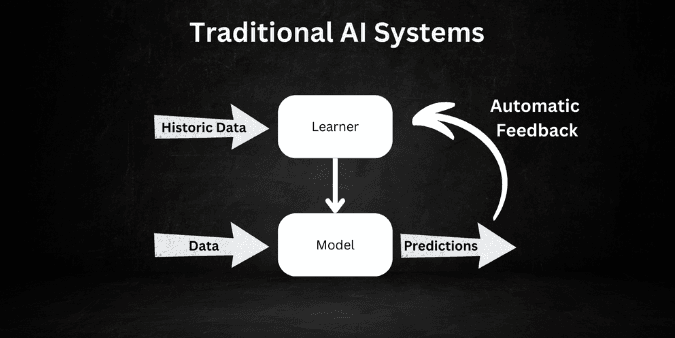
Before Large Language Models (LLMs) became mainstream, most AI systems were rule-driven or trained on narrow datasets.
Traditional AI models typically include:
Machine Learning models
Decision Trees
Support Vector Machines
Random Forest algorithms
Linear Regression models
Rule-based automation systems
These models are designed for specific tasks. Fraud detection. Demand forecasting. Email classification. Inventory optimization.
They perform extremely well — but within clearly defined boundaries.
For example:
A retail forecasting model predicts next month’s demand.
A credit scoring model evaluates loan eligibility.
A recommendation engine suggests products.
Each system is trained for one objective.
That focus is both their strength and their limitation.
What Are LLMs?
Large Language Models (LLMs) are the deep neural networks trained on massive text datasets. Unlike traditional systems, they are pre-trained on broad knowledge and then adapted for multiple tasks.
These models are built using transformer architecture, enabling them to:
Generate human-like text
Understand the context across long detailed documents
Performing reasoning tasks
Write code
Summarize reports
Answer open-ended queries
Unlike traditional AI models, LLMs are general-purpose systems.
Core Differences: LLMs vs Traditional AI Models
Let’s break this down practically.
1. Architecture
Traditional AI:
Built using statistical or shallow machine learning models
Designed for structured datasets
Limited contextual understanding
LLMs:
Based on deep neural networks
Trained on billions of parameters
Understand semantic relationships and context
A traditional fraud detection system analyzes predefined risk variables. An LLM can analyze the complaint email, the transaction history summary, and customer tone — simultaneously.
This flexibility reduces development time significantly.
3. Use Case Breadth
Traditional AI excels on the following points :
Demand forecasting
Supply chain optimization
Risk modeling
Predictive analytics
Classification problems
LLMs excel at:
Conversational AI
Knowledge retrieval
Content automation
Code assistance
Long-form document analysis
The real shift is in cognitive flexibility.
4. Data Requirements
Traditional AI requires:
Clean tabular data
Feature engineering
Domain specific pre-processing
LLMs:
Handle unstructured data
Work with documents, PDFs, chats, transcripts
Require prompt engineering instead of heavy feature engineering
Businesses dealing with large knowledge bases often prefer LLM-based systems.
For example, enterprises building AI knowledge assistants in Toronto have increasingly lean itself toward the LLM-powered retrieval systems instead of traditional keyword search models.
5. Explainability
Traditional models are easier to interpret:
Feature importance analysis
Clear mathematical relationships
More transparent decision paths
LLMs explainability power :
Operate as black-box systems
Harder to fully explain the outputs
Basically rely on the probabilistic token predictions.
If regulatory compliance is critical (like finance or healthcare), this matters.
6. Cost Structure
Traditional AI:
Lower infrastructure cost
More predictable computation requirements
One-time development focus
LLMs:
Higher token-based inference cost
API usage fees
Infrastructure for the vector databases and its embeddings
Continuous optimizations are required.
In mid-sized enterprise deployments in Hamilton, teams often underestimate long-term LLM API consumption costs.
Budget modeling is essential.
7. Scalability and Integration
Traditional AI:
Harder to repurpose
Separate model per use case
LLMs:
Single model can power multiple workflows
its has a easier API based integration system
Faster deployment cycles
This makes LLMs attractive for SaaS companies building multi-functional AI features.
When Should You Choose Traditional AI Models?
Choose traditional AI if:
Your dataset is structured and historical
You need explainability
The task is repetitive and narrow
You want lower ongoing cost
Accuracy on a defined metric is critical
Example such as :
A manufacturing company optimizing predictive maintenance across facilities in Ontario may rely on traditional time-series forecasting models rather than LLMs.
Because structured sensor data doesn’t require generative reasoning.
When Should You Choose LLMs?
Choose LLMs if:
You deal with documents, chats, or emails
You need conversational interfaces
You want knowledge automation
You are in the need of cross-domain flexibility
You want a very rapid deployment
Customer support automation, AI copilots, and enterprise search systems benefit heavily from LLM infrastructure.
Hybrid Approach: The Real-World Strategy
In practice, most serious deployments combine both.
Example architecture:
Traditional AI model predicts churn risk.
LLM generates personalized retention email.
Vector database can stores knowledge embeddings in it.
Rule-based system act as an enforcer in compliance guardrails.
That hybrid stack delivers better ROI than choosing one side blindly.
Performance Considerations
Accuracy metrics differ:
Traditional AI:
Precision
Recall
F1 Score
RMSE
ROC-AUC
LLMs:
Hallucination rate
Context retention
Token latency
Response consistency
Retrieval accuracy (RAG systems)
Performance benchmarking should align with the business goals.
Security and Data Privacy
Traditional AI:
usually hosted internally
Have a full data control.
LLMs:
Often API-based
Requires vendor evaluation
Data retention policies matter
Enterprises implementing AI must review:
Data encryption
Model hosting environment
Fine-tuning control
Compliance alignment
Long-Term Business Impact
Traditional AI is mainly used to improve the processes and to make operations more efficient. LLMs, on the other hand, support work that involves thinking, writing, and decision-making.
Because of this difference the companies often needs to adjust how teams are structured and how responsibilities are divided.
Operations teams have usually been benefited more from predictive AI systems that help with forecasting and performance tracking.
Marketing, HR, support, and product teams benefit from LLM capabilities.
This shift is why enterprises are restructuring AI budgets toward generative systems while still maintaining classical ML for analytics.
SEO-Relevant Key Terms Covered
Throughout this article, we’ve addressed:
LLMs vs Traditional AI Models
Large Language Models
Machine Learning models
Transformer architecture
Generative AI
Predictive analytics
AI cost comparison
Enterprise AI implementation
AI model scalability
AI infrastructure decisions
Final Thoughts
The debate around LLMs vs Traditional AI Models should not be framed as replacement.
Traditional AI solves the structured prediction problems with a outstanding precision. LLMs handle language, context, and reasoning at scale.
Businesses that understand where each belongs build smarter systems — and avoid expensive missteps.
If your main pillar article covers broad Large Language Models, this supporting piece clarifies decision-making criteria and captures comparison-based search intent — which is strong for SEO in 2026.
What is the main difference between LLMs and traditional AI models?
The main difference is that LLMs vs Traditional AI Models differ in scope and flexibility. Traditional models are task-specific and structured-data driven, while LLMs are general-purpose models trained on large unstructured datasets and capable of handling multiple language-based tasks.
Are LLMs more accurate than traditional AI models?
Not necessarily. Traditional AI models can often outperform LLMs in narrow, well-defined predictive tasks. LLMs perform better in contextual understanding and language generation.
Which is more cost-effective: LLMs or traditional AI?
Traditional AI models typically have lower ongoing inference costs. LLMs can become expensive due to token-based pricing and infrastructure requirements.
Can businesses combine LLMs and traditional AI?
Yes it can . A hybrid approach using a predictive AI models alongside Generative AI systems often delivers better results.
Do LLMs replace machine learning models?
No. Machine Learning models remain essential for forecasting, anomaly detection, and numerical prediction tasks. LLMs extend capabilities into language-based applications.
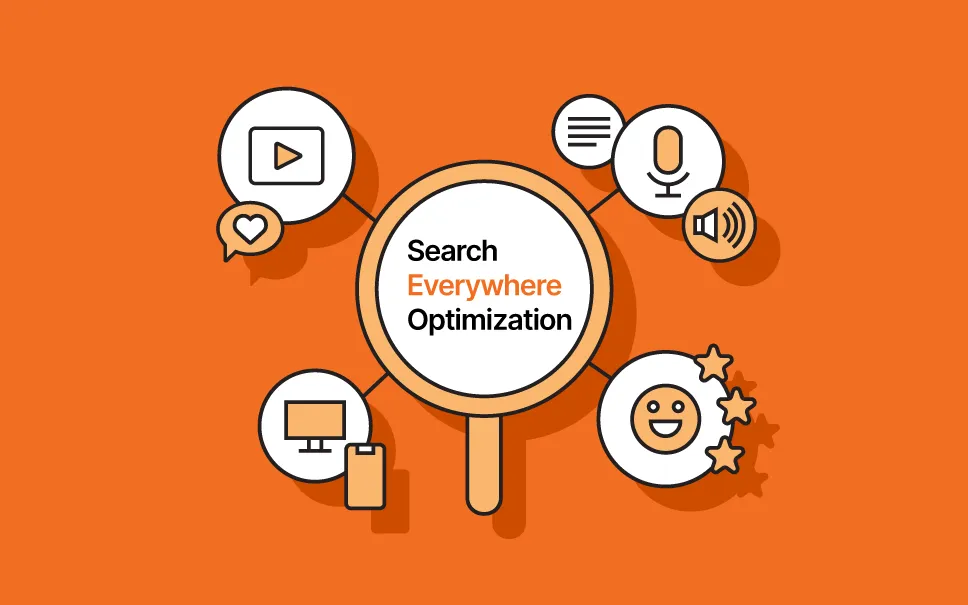
If someone told you in 2015 that Google would one day not be the most important place to optimize your content, you would have laughed them out of the room. Nobody’s laughing anymore. In 2026, your audience doesn’t just search on Google. They are also searching on TikTok, Reddit, YouTube, Amazon, ChatGPT, Instagram, Perplexity, LinkedIn and even through voice assistants — often without ever clicking a single link. This is the era of Search Everywhere Optimization — where brands must optimize not just for Google, but for every platform where discovery, intent, and decisions are happening.
They search in fragments, in full sentences, in questions whispered to smart speakers at 11 pm. And if your brand only exists on Google, you’re invisible in every one of those moments. This is the world that gave rise to Search Everywhere Optimization and if you’re serious about visibility, growth, and staying ahead of the brands that are already adapting, this guide is where you start.
What Is Search Everywhere Optimization?
Search Everywhere Optimization
Search Everywhere Optimization is the practice of building visibility across every platform where your audience searches and researches — not just Google. It’s a complete evolution of how we think about SEO, expanding the playing field from a single search engine to every digital surface where discovery happens.
The term has been gaining momentum across the digital marketing world. We’re entering the era of Search Everywhere Optimization as omnichannel search expands further beyond Google to social, video, forums, and AI platforms. Brand reputation is becoming a core ranking and visibility signal.
But here’s what’s important to understand from the start: Search Everywhere Optimization (SEvO) is not about abandoning traditional SEO. It’s about expanding your strategy to match where modern users actually look for answers. Google still matters enormously. It always will. What’s changed is that Google is now one channel in a much larger ecosystem — not the whole game.
People are now calling it Search Everywhere Optimization. And if you thought about SEO as some sort of hacky way to manipulate search rankings, then yes, this is new. But if you think about SEO from first principles — understanding search intent and demand and trying to match it with the best source of supply — then nothing has fundamentally changed.
The platforms have multiplied. The principle is the same: be found where people look, with content worth finding.
Why Search Everywhere Optimization Matters More Than Ever in 2026
Search Behavior Has Fundamentally Shifted
The numbers tell a clear story. Google is still king with 417 billion searches per month — but ChatGPT alone is processing 72 billion messages a month. And users under 44 use, on average, five platforms to search. From TikTok to ChatGPT to review sites and Reddit, discovery is diversifying rapidly.
46% of adults now use social media as their first platform for online search. That’s not a fringe behavior. That’s nearly half of your potential audience starting their research somewhere other than a search engine.
By 2026, 55% of searches will be voice or image-based. Mobile-friendly, conversational content is no longer optional — it’s the baseline expectation.
AI Is Changing Who Answers the Questions
ChatGPT reaches over 800 million weekly users. Google’s Gemini app has surpassed 750 million monthly users. And AI Overviews are appearing in at least 16% of all searches — significantly higher for comparison and high-intent queries.
AI systems are increasingly the entity answering your audience’s questions — synthesizing, summarizing, and recommending without sending users to your website at all. If your brand isn’t being cited in those answers, you don’t exist in that moment of discovery.
Zero-Click Searches Are Rising
The increase in zero-click searches is one of the largest search engine optimization disruptors. This experience is dominated by AI summaries, featured snippets, and voice responses.
Users are getting answers without clicking. This doesn’t mean visibility is worthless — it means the type of visibility you’re optimizing for has changed. Being cited, being mentioned, being referenced inside an AI answer is a form of visibility that didn’t exist five years ago and matters enormously today.
The Platforms That Define Search Everywhere Optimization
Traditional Search Engines: Still the Foundation
Google, Bing, and traditional search aren’t going anywhere. Search engines are still vital. The focus should be on structured data, entities, and SERP feature inclusion. What’s changed is that ranking on Google is now one pillar of a larger strategy, not the entire edifice.
Technical SEO fundamentals — clean site structure, schema markup, fast loading, mobile optimization — remain essential because they’re the foundation that supports visibility everywhere else. Search engine optimization everywhere starts with getting the basics right on your own domain.
AI Platforms: The Fastest-Growing Discovery Channel
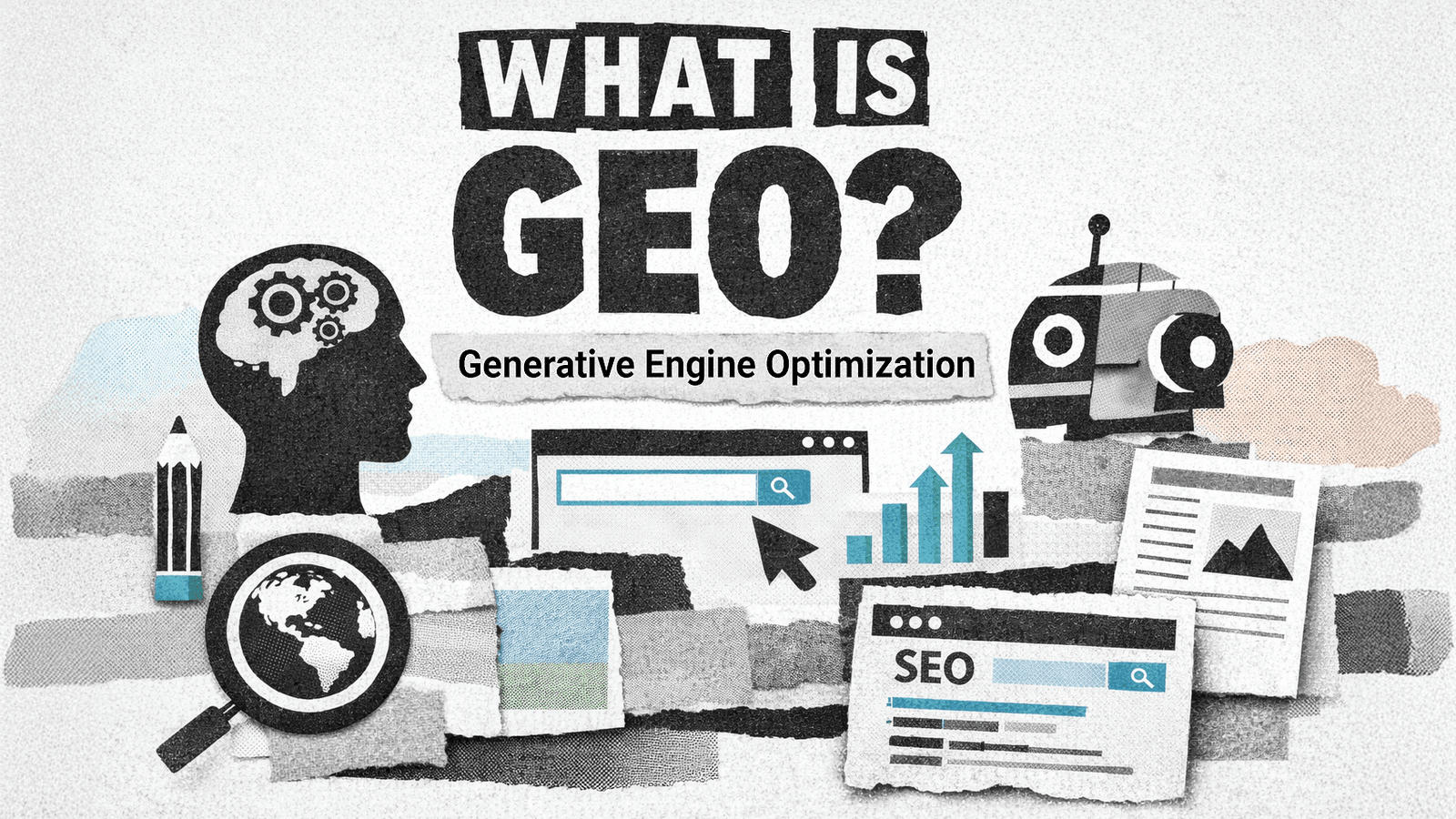
Generative engine optimization (GEO) is the practice of optimizing your content to get appeared in AI-generated answers from the platforms like ChatGPT, Google Gemini and Perplexity. Unlike traditional SEO , which usually focuses on the ranking search results, GEO is all about influencing how large language models read, interpret, and cite your brand when responding to user prompts.
This is one of the most critical trends in search today. For bootstrapped tools and growing brands alike, AI platforms are becoming primary discovery surfaces. For form builder tool Tally, ChatGPT became the #1 referral source. That’s not a quirky anomaly — it’s a preview of where visibility is heading.
Social Media Platforms: Where Research Really Begins
Social platforms have completed their transformation from entertainment channels to full-scale search engines. TikTok, YouTube, Instagram, Reddit, LinkedIn, Pinterest — each has its own search behavior, its own algorithm, and its own audience expectation.
You can optimize your social media presence for search engines just by using keyword-rich profiles with relevant hashtags and keywords in the bios and descriptions hence developing a hashtag strategy to expand visibility, optimizing content with SEO-friendly captions and even implementing video SEO across YouTube, TikTok, and Instagram Reels.
Reddit deserves particular attention. Reddit posts rank high on Google, so use search-friendly titles. Engage in high-traffic subreddits in your niche, answer questions early when new posts get the most visibility, and share insightful responses before linking to your blog or video.
Voice Search: The Invisible Platform Most Brands Ignore
Voice search optimization is one of the most underinvested areas in most brand’s digital strategies — and one of the highest-opportunity ones heading into 2026.
Voice search is fundamentally different from text search. People don’t say “best CRM software 2026” into their phone. They ask: “Hey Siri, what’s the best CRM for a small business without a dedicated IT team?”
To appear in voice search results, your content needs to be structured around natural language patterns, answer specific questions concisely, use conversational phrasing, and load fast enough on mobile to be a viable source. Featured snippets and position zero results are the primary supply for voice answers — which means structured content with clear Q&A formats is your path to voice visibility.
E-Commerce Marketplaces: Where Purchase Intent Lives
More than half of product searches are now starting on Amazon rather than Google. For the brands that are selling physical products , this makes Amazon SEO not a supplementary tactic but a core visibility strategy.
The same principle extends to Shopify, Etsy, and category-specific marketplaces. Being discoverable on the platform where your customer is actively considering a purchase is often more valuable than ranking on Google for the same intent.
Generative Engine Optimization: The New Frontier of SEvO
What GEO Actually Is
Generative Engine Optimization (GEO) focuses on making brands, content, and data visible inside AI-driven search experiences rather than only traditional search engine results pages. Rather than targeting one keyword per page, GEO builds topic clusters that cover a subject comprehensively, making content more useful for AI summarization.
Generative engine optimization mostly focus on the publishing authoritative, structured and cited content ; embedding long-tail keywords in natural Q&A formats; optimizing for multi-modal AI engines covering text, image, and voice search; and maintaining E-E-A-T in AI answers.
Five Core Principles of GEO
1. Structured, Extractable Content
AI systems that often extract substantive passages without the conversational setup around them. You need clear headings to help AI identify which section answers which question. Putting answers early in sections may make them easier for AI to find and extract. Traditional SEO often rewards comprehensive coverage; GEO places more emphasis on content that’s easy to extract and reassemble.
2. Demonstrated Authority and E-E-A-T
Right now E-E-A-T is going nowhere. It needs to be your strategic cornerstone. Your digital PR strategy should include always-on digital PR with fresh mentions and citations in high-authority sources, customer review strategies focused on reputation and sentiment, and third-party trust signals from awards and accreditations.
3. Consistent Brand Entity Clarity
AI systems understand the web through entities — brands, products, people, locations, and concepts. GEO strategies ensure your brand is clearly defined as an authoritative entity within your industry. This means consistent NAP data, Organization schema, Knowledge Panel management, and unified brand information across every platform.
4. Content Freshness
AI models usually favor the most current and authoritative information. Strategies to maintain the freshness that includes auditing and updating the content monthly or more frequentlyand hence highlighting recently published or revised date stamps, adding new statistics and case studies promptly, and refreshing FAQs to reflect evolving user questions.
5. Multi-Platform Brand Presence
GEO isn’t just about your website. Mentions across reputable platforms, expert authorship, consistent brand information, and authoritative backlinks all improve AI trust. GEO goes beyond Google — it optimizes content for AI chat platforms, voice assistants, knowledge panels, and emerging generative search tools.
The GEO tool landscape has matured rapidly since heading into 2026. Goodie AI still remains one of the most complete GEO platforms available . It tracks how your brand appears across engines like ChatGPT, Gemini, Perplexity, Claude, Copilot, and DeepSeek, then pairs that visibility data with actionable optimization guidance.
Optimized content is achieving 43% higher citation rates on average, and multi-platform optimization has become essential with successful companies monitoring 10 or more generative engines simultaneously.
Other notable generative engine optimization tools include:
Semrush AI Visibility Toolkit integrates GEO monitoring into the SEO ecosystem most teams already use
Ahrefs AI features bridges traditional SEO with an AI visibility tracking
Otterly.AI focused on the generative search visibility monitoring
Gauge delivers gap analyses and competitor benchmarking across AI platforms
Profound AI — emphasizes technical SEO integration alongside GEO strategy
Many tools now specialize in generative engine optimization. AI content assistants like the Writesonic, Jasper and Otterly AI help to craft AI-friendly content . Schema generator tools streamline structured data implementation . Analytics platforms track snippet appearances, voice search traffic, and AI citations.
Building Your Search Everywhere Optimization Strategy
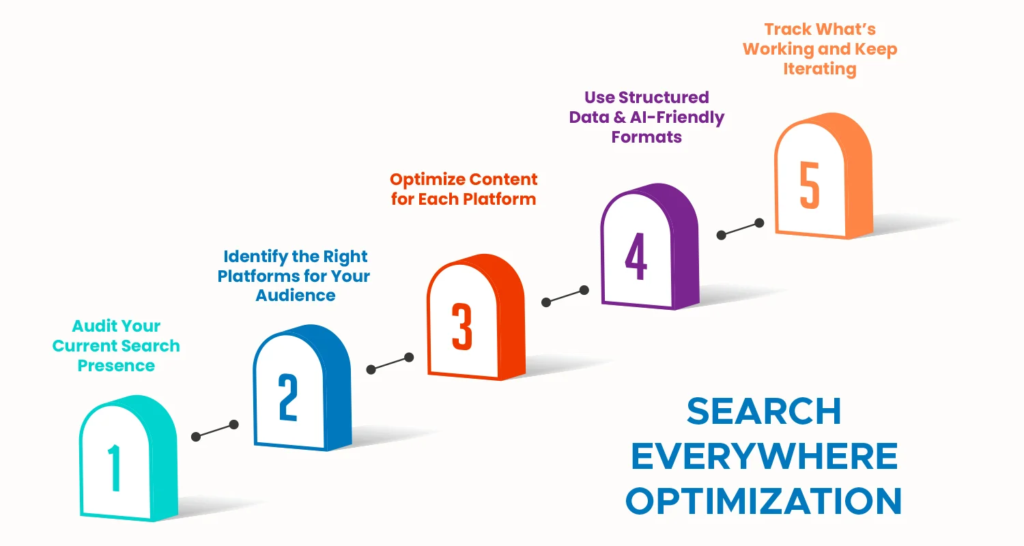
Step 1: Start With Intent, Not Platforms
The biggest mistake brands make when adopting SEvO is jumping straight to platform tactics without mapping the intent behind their audience’s searches first.
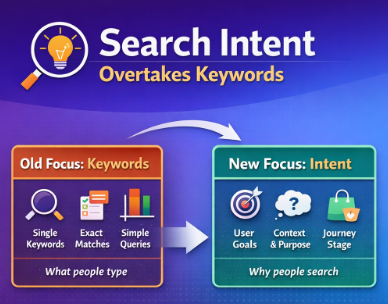
Your keyword research skills translate directly to Search Everywhere Optimization — they’re your starting point. The shift is in what you do after you’ve identified your keywords. Instead of stopping at a keyword and creating a single optimized page, you expand that keyword into an intent pillar. An intent pillar is the conversation behind the keyword — the real thing someone is trying to figure out.
Ask: what decisions is my audience making? Where do those conversations live? Who is talking about these topics? That investigation rhave shown that which platforms deserve your attention and in what order.
Step 2: Map Platforms to Audience Behavior
Not every platform deserves equal investment. Your audience research should tell you where the conversation is active for your specific topics and industry.
When searching for SEO tools , for example you might see some trends in ChatGPT prompts around wanting help with vetting and asking for specific comparisons. YouTube is the second-largest search engine in the world, and people search differently there than they do on Google. Reddit discussions often reveal questions and problems that don’t show up in traditional keyword research.
Map your primary intent pillars to the platforms/places where those conversations are still looking active. Then acoordingly prioritize them based on where your audience concentrates and where you can realistically build consistent presence.
Step 3: Create Native Content, Not Repurposed Filler
Native content wins. Just repurposing blog content won’t cut it. You need to speak the platform’s language. Turn blog insights into short-form videos for TikTok, Instagram, or LinkedIn. Convert FAQ sections into Reddit threads or LinkedIn carousels. Package data-driven insights for LLMs in clear, structured formats. Meet users where they are, in the format they prefer.
A blog post shared as a link on TikTok is not TikTok content. An explainer turned into a 60-second video with platform native editing is TikTok content . The distinction matters enormously for both algorithmic reach and audience reception.
Step 4: Build Topic Authority Across Channels
With AI systems pulling from the entire web to form opinions about brands, earned media coverage and unique data assets become powerful differentiators.
Topic authority in 2026 is not just about your website. It has been build through a consistent constellation of signals : your website content depth on a topic, your social presence discussing that topic, third-party mentions in credible publications, reviews that reference your expertise, and citations in AI-generated answers. All of these signals feed into how AI systems and search engines perceive your brand’s authority in a given space.
A focused entity optimization strategy can deliver a 61% organic growth increase in just eight months. That’s the compounding power of building coherent authority rather than chasing individual rankings.
Step 5: Optimize for Voice Search Specifically
Voice search optimization actually deserves its own dedicated workstream within your SEvO strategy. The key principles are as follows :
Write content that mirrors conversational language patterns
Target featured snippets and position zero results — the primary source for voice answers
Structure FAQ sections with natural question phrasing that matches how people actually speak
Ensure pages are loading fast on mobile and are technically clean
Use schema markup, especially FAQPage and HowTo schema, to help voice assistants extract precise answers
Optimize for local intent where relevant — “near me” queries dominate voice search patterns
Step 6: Rethink Your Measurement Framework
In Search Everywhere Optimization, success is being visible everywhere people are looking, whether or not they click. We care just as much about where we show up, how often we’re mentioned, and whether people come back to us later as we do about any one keyword.
Instead of optimizing solely for clicks, you’re optimizing for visibility and citations across multiple platforms — Reddit threads, AI summaries, TikTok videos, and yes, still those classic Google search results.
New metrics to track alongside traditional SEO KPIs:
AI citation rate across ChatGPT, Gemini, Perplexity, and Claude
Brand mention volume across social platforms and forums
Branded search lift — are more people searching your name?
Share of voice in AI-generated responses for your target queries
Query diversity — are you appearing for a broader range of searches over time?
Engagement depth when users do reach your site
What Trends in Search Tell Us About Where This Is Heading
The Convergence of SEO and Brand Marketing
One of the clearest trends in search heading into 2026 is the convergence of SEO and brand building. Growing branded demand shifts from a marketing byproduct to a strategic SEO initiative, making brand building and awareness campaigns integral to your 2026 search strategy.
When AI systems determine which brands to cite in their answers, they’re making judgments about trust and authority that look a lot like brand equity assessments. The brands that show up consistently, that have strong third-party mentions, that users actively search for by name — those are the brands AI platforms treat as reliable sources.
The Death of Generic Content at Scale
The brands that win will build a stronger product and value proposition, doubling down on real expertise and evolving based on authentic customer feedback. Product quality and brand reputation become the foundation — everything else is built on top of it.
Mass-produced, AI-generated, template-driven content is flooding every platform. The response from search systems — both Google and the AI platforms — is to increasingly reward content that demonstrates genuine expertise, original perspective, and real-world specificity. If your content could apply to any brand in any industry, it will increasingly apply to none of them in algorithmic terms.
Human Expertise as a Competitive Moat
Human expertise, transparent authorship, and integrated strategies across PR, product, social, and technical channels define which brands thrive.
This is arguably the most important strategic insight for 2026: the brands investing in real expertise, real authors with real credentials, and real original research are building something that no content farm or AI content tool can replicate. That expertise, consistently expressed across every platform where your audience searches, is the competitive moat of the SEvO era.
Do You Need a Search Everywhere Optimization Agency?
The scope of SEvO — across Google, AI platforms, social search, voice, marketplaces, and forums — is genuinely difficult to manage without dedicated expertise. A specialized search everywhere optimization agency is known for bringing several advantages:
Cross-platform strategy development that maps channels to audience behavior
Generative engine optimization expertise that most traditional SEO agencies are still developing
Content production capacity to create platform-native assets at the scale SEvO requires
AI visibility monitoring and GEO tools that require significant investment and expertise to use effectively
Measurement frameworks that track the full spectrum of SEvO metrics, not just Google rankings
Whether you need a full-service search everywhere optimization agency or a consultant who can guide your in-house team depends on your resources, competitive landscape, and growth goals. What’s less debatable is that SEvO requires a broader skillset than traditional SEO — and trying to retrofit a keyword-focused team into an omnichannel visibility operation without external input tends to produce inconsistent results.
Is a Search Everywhere Optimization Course Worth It?
For marketing professionals, content teams along with business owners who want to build SEvO competency in-house, a dedicated search everywhere optimization course can dramatically accelerate the learning curve.
The most valuable courses in this space cover the full spectrum : traditional SEO fundamentals (which haven’t changed), GEO and AI platform optimization, social search strategy, voice search, local search, and the measurement frameworks needed to tie it all together. Look for courses that include real case studies, are updated frequently to reflect the fast-moving landscape, and offer community access to practitioners who are actively working in the space.
The foundational SEO skills you already have translate directly — the learning curve is primarily in understanding the new platforms, the AI optimization layer, and how to coordinate across channels rather than treating each one as a separate silo.
The Core Truth About Marketing Everywhere Optimization
Visibility in 2026 won’t come from gaming the system. It will come from understanding the human behind the query — and showing up with something truly helpful.
Search everywhere optimization — or marketing everywhere optimization, as some practitioners frame it — is ultimately a return to the most fundamental principle of good marketing: be where your audience is, with something worth their attention.
The platforms have changed. The AI systems are new. The voice interfaces are still developing. But the underlying truth has not moved : the brands that understand what their audience is trying to figure out, and build genuine authority in those spaces across every channel where those conversations happen, will own the discovery moment in their category.
Search engine optimization has developed into Search Everywhere Optimization — visibility, authority, and performance are now the key aspects rather than rankings alone.
The question isn’t whether to adapt. It’s how fast.
What is Search Everywhere Optimization (SEvO)?
Search Everywhere Optimization is the practice of optimizing your brand’s visibility across every platform where your audience searches — not just Google. This includes AI platforms like ChatGPT and Perplexity, social media, YouTube, Reddit, Amazon, voice assistants, and industry-specific communities.
How is SEvO different from traditional SEO?
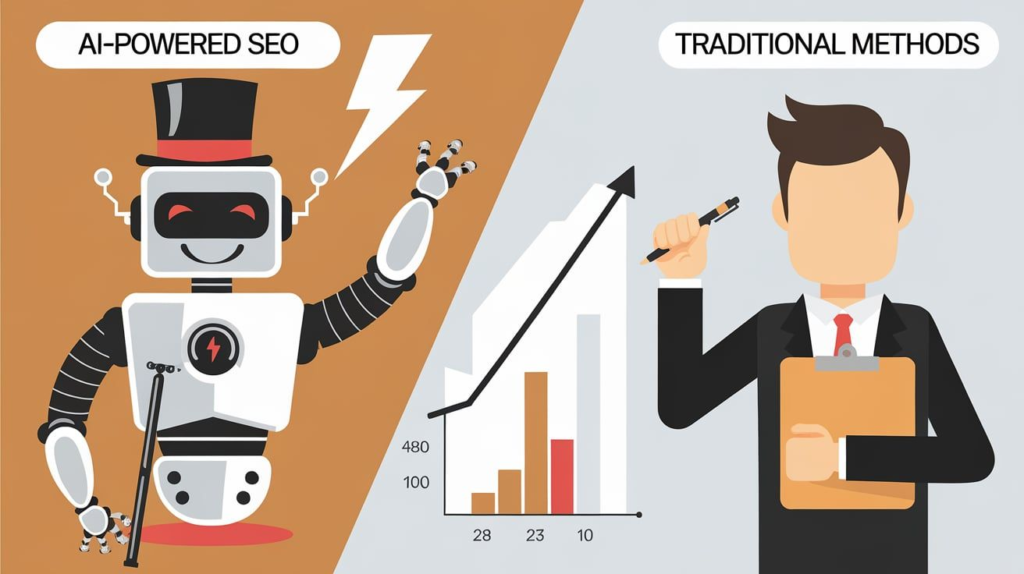
Traditional SEO focuses on ranking in Google search results through keywords, backlinks, and on-page optimization. SEvO expands this to cover every discovery surface — AI citations, social search, voice results, marketplace listings, and more. The fundamentals of SEO remain valid; SEvO simply applies them across a much broader ecosystem.
What is Generative Engine Optimization (GEO)?
GEO is the subset of SEvO focused specifically while appearing in AI-generated answers from platforms like ChatGPT, Gemini, and Perplexity. It usually involves the structuring content for AI extractability, building cross-platform authority along with maintaining E-E-A-T and ensuring consistent brand entity signals that AI systems recognize and trust.
How do I optimize for voice search in 2026?
Focus on conversational, natural language content that answers specific questions concisely. Target featured snippets and position zero results. Use FAQ and HowTo schema markup. Ensure fast mobile page loading. Write in the way people actually speak rather than how they type keywords.
Do I need a Search Everywhere Optimization agency?
If your team has been focused on traditional SEO alone, working with a specialized SEvO agency or consultant can significantly accelerate your transition — especially for GEO, AI platform optimization, and cross-channel strategy development. The breadth of SEvO requires expertise that goes well beyond keyword research and link building.
Searching is no longer just about typing a few keywords and the scrolling through ten blue links. Now a days AI Overview is reshaping how people discover information then compare options and finally making decisions. Instead of simply listing pages, search engines now generate intelligent summaries, pull insights from multiple sources, and present answers instantly.
If you have noticed richer summaries, conversational responses, and AI-generated explanations at the top of search results, you are already experiencing Google AI Overview in action.
For businesses, marketers, and content creators, this shift is more than a cosmetic update—it changes how visibility is earned, how authority is built, and how trust is established online.
In this blog , we will break down what is an AI Overview and how it works behind the scenes , why it matters, and how you can optimize your digital presence for generative search results and the evolving AI SERP landscape.
Understanding AI Overview in Simple Terms
Understanding AI Overview
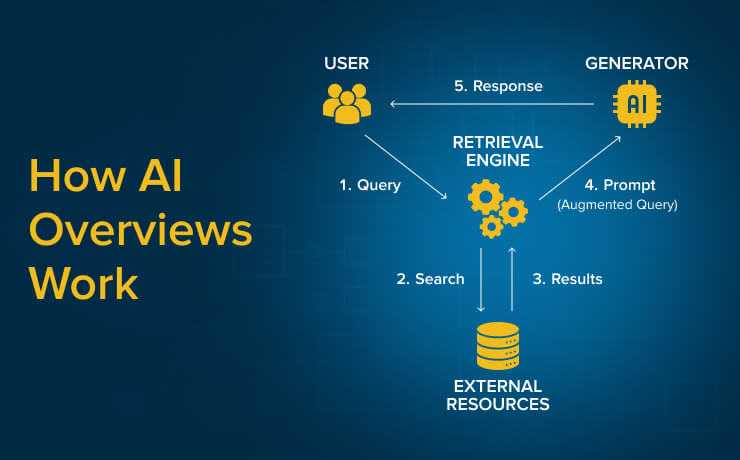
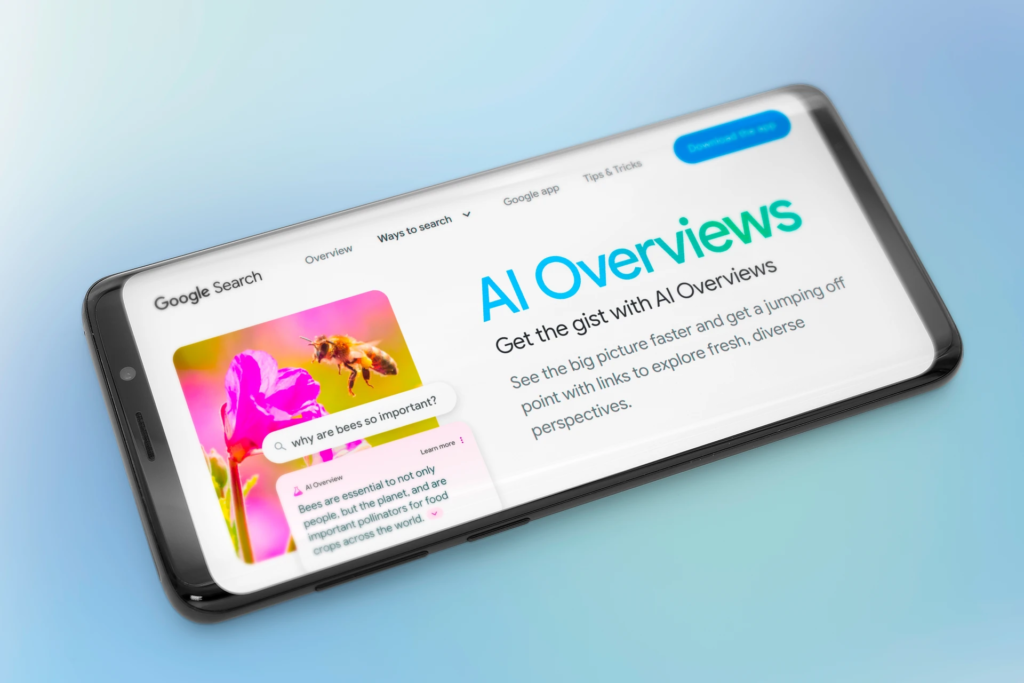
AI Overview is a search feature that uses artificial intelligence to generate summarized, contextual answers directly within search results. Instead of forcing users to click multiple links, AI systems analyze large amounts of content across the web and present a synthesized response.
Think of it as a smart research assistant that:
Understands your question
Finds the most relevant information
Combines insights from trusted sources
Presents a clear, readable summary
This creates a more fluid and conversational search experience.
At its core, Google AI Overview is powered by advanced language models from Google, designed to understand intent, context, and nuance rather than just matching keywords.
Why AI Overview Was Introduced
Traditional search methods have been effective for many years, but they do have some limitations.
Users had to scan multiple pages
Conflicting information caused confusion
Complex questions required deep research
AI Overview solves these problems by offering:
Faster answers
Better context
Simplified explanations
Search engines are now shifting from being a regular directories of a websites to becoming an intelligent answer engines.
How AI Overview Works (Behind the Scenes)
Understanding how AI Overview works
Understanding how AI Overview functions helps you optimize for it effectively.
1. Query Interpretation
When a user types or speaks a query, AI systems analyze:
Local relevance combined with the topical authority improves the visibility in AI-powered results.
Common Mistakes to Avoid
Keyword stuffing
Thin content
Ignoring user intent
Publishing generic AI-generated articles
Lack of citations and credibility
AI systems favor helpful, human-centered content.
Measuring Success in the AI Overview Era
Track:
Brand mentions
Impressions for the website in the Search Engine
Engagement time
Conversion quality
Assisted conversions
Traditional ranking alone is no longer enough.
The Future of AI Overview
Expect:
More personalization
Voice-first search growth
Deeper multimodal results
Real-time data integration
Search will increasingly feel like a conversation.
Final Thoughts
AI Overview actually represents a fundamental shift in how information is discovered online . Businesses that adapt early—by creating authoritative, helpful, and user-first content—will gain a powerful advantage.
If your purpose is get shown in Google AI Overview then try to get the position in generative search results and then succeed inside the evolving AI SERP , the strategy is clear: focus on depth, credibility, and real value.
FAQs
What is AI Overview in simple terms?
AI Overview is a Google search feature that uses AI to generate summarized and simple answers at the top of results by combining information from multiple trusted sources.
How is AI Overview different from featured snippets?
Featured snippets pull content from one webpage, while AI Overview synthesizes information from many sources to create a comprehensive response.
Can my website appear inside AI Overview results?
Yes it can . Websites with authoritative, well-structured, and helpful content can be referenced within AI Overview summaries.
Does AI Overview reduce website traffic?
It may change traffic patterns, but strong visibility inside AI summaries can increase brand trust and higher-quality visits.
How do I optimize content for AI Overview?
By giving importance to the topic depth along with providing clear answers with structuring content and headings .
Is AI Overview available for all searches?
No. It mainly appears for informational and complex queries where summaries provide high value.
Does local SEO still matter with AI Overview?
Yes. Local signals help AI determine relevance for location-based searches.
Are keywords still important for AI search?
Yes, but they should support the topics and intent rather than just being used unnaturally.
Will AI Overview continue evolving?
Absolutely. Google is continuously improving how AI understands queries and delivers results.
AI Search Trends for 2026 are no longer a prediction—they are becoming the foundation of how people discover, evaluate, and trust brands online. Search is evolving beyond blue links and keyword lists into a deeply conversational, context-driven, and experience-focused ecosystem.
In 2025, businesses experimented with AI-powered search platforms out of curiosity. In 2026, they will rely on them out of necessity. Customers now expect faster answers, richer explanations, and personalized guidance. And they expect it instantly.
This shift is forcing marketers to rethink everything—from how content is written to how authority is built, and even how ads are delivered.
If your strategy still revolves only around rankings and keywords, you’re already behind.
Let’s explore the eight most important trends that will define AI-driven search optimization and show you how to adapt before your competitors do.
1. Brand Visibility Becomes More Valuable Than Rankings
Brand Visibility
For years, success in search meant ranking on page one. In 2026, success means being recognized.
AI search engines do not simply list websites—they synthesize information from multiple sources and present consolidated answers. That means your brand must exist across the digital ecosystem, not just on your own website.
When an AI engine looks for information, it evaluates patterns:
Which brands are mentioned consistently?
Which sources reference them?
Which companies are associated with specific topics?
If your brand is visible across reputable platforms, the algorithm starts to treat you as a known entity.
Think about how humans make decisions. If you see a brand mentioned on industry blogs, social platforms, news sites, and community forums, you naturally assume credibility. AI systems follow a similar logic.
How to Improve Brand Visibility
Earn mentions on authoritative industry websites
Publish thought leadership content
Collaborate with partners and influencers
Encourage brand mentions in PR and guest content
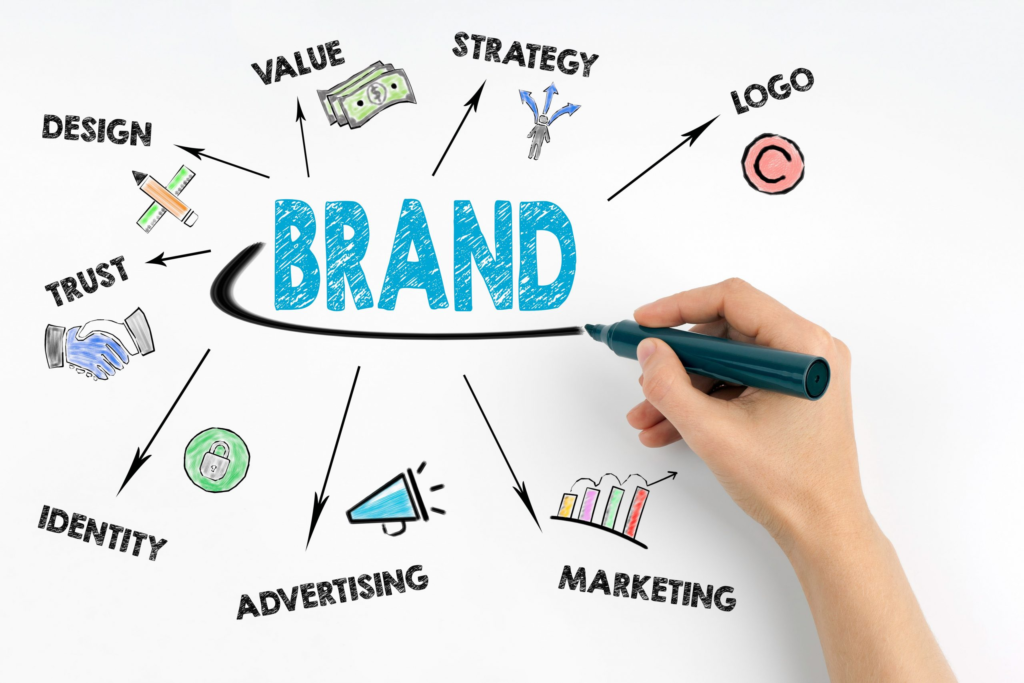
Brand visibility is no longer a branding metric alone—it’s an AI ranking signal.
This shift is central to AI-powered SEO strategy and will heavily influence who gets cited and who gets ignored.
2. Rapid Growth of AI Search Engines
Growth of AI Search
Traditional search engines are no longer the only gateways to the desired information. Users increasingly turn to conversational platforms because they feel easier, faster, and more human.
People don’t want ten links , they want one clear answer.
AI search engines provide:
Natural language conversations
Follow-up questioning
Summarized insights
Actionable suggestions
This change in behavior is driving the growth of generative search optimization.
Instead of typing: “best CRM software”
Users now a days ask:
“What CRM is best for a small sales team with remote employees?”
This conversational style is reshaping how content must be structured. Pages optimized only for short keywords will struggle. Content optimized for real-world questions will thrive.
In 2026, marketers must design content that sounds like it was written for humans, not machines—because that’s exactly who is asking the questions.
3. AI Overviews Will Appear for More Search Types
AI Overviews > Traditional SEO
AI-generated summaries are expanding.
Today, they primarily appear for informational queries. Tomorrow, they will appear across:
Commercial research
Local services
Product comparisons
Transactional queries
This means users will often get answers without clicking any website.
While that may sound scary, it also creates opportunity.
If your brand becomes a cited source inside AI overviews, you gain exposure at the most valuable point of the customer journey—the decision moment.
Add author bios and credentials either on the top or footer
Cite reputable sources
Keep content updated
Collect genuine reviews
Trust is the currency of AI search.
6. Ads Will Expand Across AI Platforms
Ads Will Expand Across AI Platforms
Where users go, advertising follows.
As AI search platforms attract larger audiences, monetization becomes inevitable. Sponsored placements, promoted answers, and contextual ads will become common.
However, advertising in AI environments will look different from traditional PPC.
Instead of bidding on keywords, advertisers will likely target:
Topics
User intent
Context
Conversation stages
This creates massive opportunities for brands that understand AI SEO and content strategy.
The winners will be those who actually combine the organic authority with paid visibility.
7. Topic Clusters Replace Keyword Lists
The era of optimizing one page for one keyword is fading.
AI engines think in topics, not isolated phrases.
If someone asks about “ecommerce SEO,” the system also explores:
Technical SEO
Content marketing
UX optimization
Conversion rate optimization
Site speed
Mobile experience
If your website covers these related areas comprehensively, you appear more relevant.
This is the foundation of topic-based content optimization.
How to Build Topic Clusters
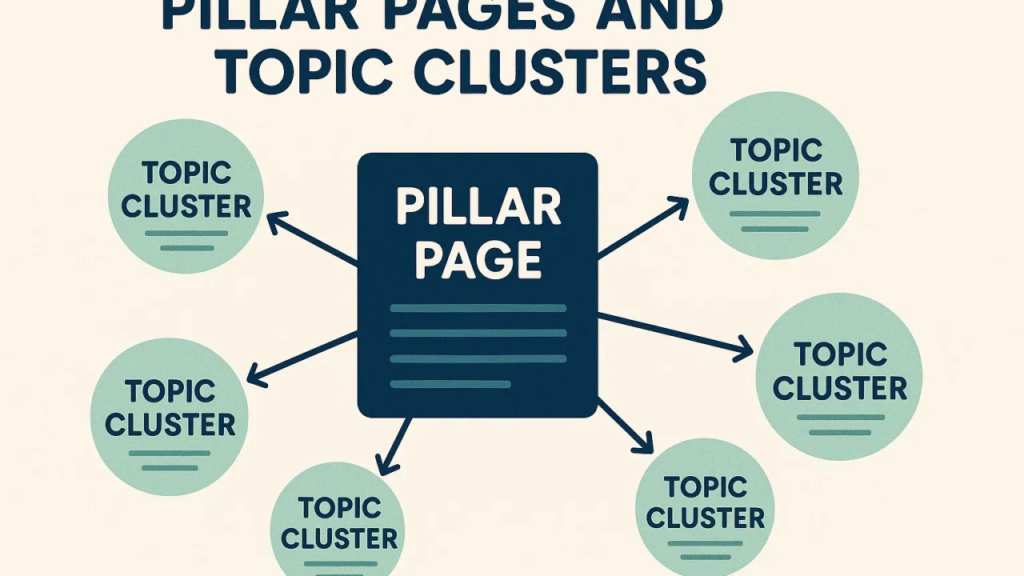
Create a pillar page for a core topic
Build supporting articles around subtopics
Interlink them logically .
Maintain consistent quality
Topic clusters signal depth. Depth signals authority. Authority earns citations.
8. Becoming a Topical Authority Is the Ultimate Goal
Topical Authority of the Pages
Topical authority means your brand is recognized as an expert in a specific subject area.
Not “kind of knowledgeable.” Not “occasionally publishes content.”
But consistently valuable. AI search engines reward brands that demonstrate long-term commitment to a topic.
This is achieved through :
Regular publishing
Covering beginner to advanced levels
Updating old content
Expanding into related subtopics
When AI systems see a pattern of expertise, they start trusting your brand more than others.
This is how you future-proof your visibility.
What This Means for Businesses
If your growth depends on digital visibility, you must adapt now.
Especially for businesses targeting audiences in Canada and the nearby places , competition will intensify as more brands will invest in AI search optimization.
The companies that succeed will be those that:
Focus on visibility, not just rankings
Build trust, not just traffic
Publish depth, not fluff
Optimize for humans, not algorithms
AI search is not killing SEO but in reality it is evolving it. And evolution always rewards those who move early.
Are You Ready for AI Search in 2026?
AI Search in 2026
AI search will not slow down. It will not reverse. And it will not wait for anyone to catch up.
The brands that invest today in visibility, authority, and human-first content will dominate tomorrow.
The rest will struggle to be seen.
What are AI Search Trends for 2026?
AI search trends for 2026 primarily focus on conversational searches, topic-based content, trust-driven citations, and overall visibility of the brand. These trends are clearly reshaping how content is discovered, ranked, and presented . As a result businesses noe a days need to prioritize authority, intent and user experience over traditional keyword only strategies.
How does AI search differ from traditional search engines?
AI search provides synthesized answers from multiple sources instead of simple lists of links. It prioritizes context, intent, and credibility allowing users to have conversations and ask for follow-up questions and receive summarized insights instantly.
Why is topical authority important for AI SEO?
Topical authority tells about expertise and consistency. When a website covers a subject deeply and comprehensively , AI systems view it as a reliable source of information hence increasing the likelihood of being cited in AI-generated responses.
Will keywords still matter in 2026?
Yes, but they will play a supporting role . Search intent , context and topical coverage will matter more than exact-match keywords, making content depth and relevance the true ranking drivers.
How can businesses optimize content for AI search engines?
Businesses typically should answer real questions along with using natural language and even create topic clusters which will build trust signals and maintain consistent high-quality publishing across their websites and external platforms.
Are AI Overviews replacing organic search results?
AI Overviews complement organic results by summarizing information. Although, brands cited within these overviews gain prime visibility hence making optimization essential rather than optional.
Will advertising grow on AI platforms?
Yes. As user adoption increases, AI platforms will introduce more advertising options, creating new channels for contextual, intent-based, and topic-driven ad placements.
Is AI search relevant for local businesses?
Absolutely it is. Local service queries will increasingly trigger AI-generated answers thus making local authority even reviews and location-based optimization critical and important
The way people search, discover, and choose brands has changed completely . Search engines are no longer just showing blue links. They are now answering questions, summarizing solutions, and recommending brands directly through AI-powered results. This is exactly why Generative Engine Optimization for Brand Growth has become a critical strategy for modern businesses.
Brands that understand and adopt Generative Engine Optimization (GEO) services today are positioning themselves ahead of competitors who are still relying only on traditional SEO tactics. GEO is not a replacement for SEO—it is its evolution. It focuses on making your brand visible inside AI-generated answers, voice responses, and conversational search experiences.
If your brand wants to grow sustainably in this new era, GEO is no longer optional. It is essential.
Below are ten powerful reasons why.
1. Search Is Becoming Answer-Driven, Not Link-Driven
Traditional SEO was designed for ranking webpages. GEO is designed for ranking ideas, expertise, and brand authority inside AI-generated responses.
When users ask questions, AI systems now summarize multiple sources and present a single cohesive answer. GEO ensures your brand is part of that answer.
With Generative Engine Optimization strategy, your content is structured, contextualized, and optimized so AI systems understand who you are, what you do, and why you are credible.
This shifts your brand from being “one of many links” to being a trusted source inside the answer itself.
2. GEO Builds Brand Authority Faster Than Traditional SEO
GEO Builds Brand Authority
Authority was once developed gradually through backlinks and the age of a domain .While those still matter, GEO focuses heavily on:
Expertise signals
Semantic relevance
Entity consistency
Topical depth
When you implement GEO optimization services, your content is mapped around clear topical clusters that demonstrate expertise.
AI engines reward brands that:
Explain topics deeply
Answer real user questions
Provide consistent viewpoints
This leads to faster recognition as an authoritative voice in your niche.
3. GEO Improves Visibility Across Multiple AI Platforms
GEO Improves Visibility
Your audience is no longer searching only on Google.
They are using:
AI chat tools
Voice assistants
Smart devices
Integrated AI search inside browsers
A strong Generative Engine Optimization company prepares your content for all of these environments.
Instead of optimizing only for one search engine, GEO expands your visibility across multiple AI-powered discovery channels, increasing brand exposure without additional ad spend.
4. GEO Attracts High-Intent Users
GEO content optimization
People using AI search tools typically ask detailed, specific questions.
These users are :
Research-driven
Problem-aware
Close to making decisions
With GEO content optimization, your brand appears inside answers that address real pain points, not just broad keywords.
This results in traffic that:
Converts better
Stays longer
Trusts your brand more
High-intent visibility means fewer clicks but higher-quality prospects.
5. GEO Strengthens Your Brand Narrative
In traditional SEO, different pages tells you different stories .
on the other hand GEO needs consistency.
A well-built Generative Engine Optimization framework aligns:
Website content
Blog content
FAQs
Knowledge bases
Brand messaging
AI engines then see a unified, coherent brand story.
This consistency increases trust, improves recall, and positions your brand as reliable and professional.
6. GEO Supports Long-Term Organic Growth
GEO Supports Organic growth
Paid ads stop showing results as soon as you stop spending. While with GEO its a complete differet thing.
Once your content is recognized as a trusted source, AI engines continue referencing your brand across answers.
With long-term GEO strategy, your brand gains:
Sustained visibility
Evergreen traffic
Reduced dependency on ads
This creates a very stable foundation for a scalable growth.
7. GEO Enhances Content Performance Without Constant Publishing
GEO Enhances Content Performance
Many brands believe growth requires endless content creation.
GEO focuses on making existing content work harder.
Instead of producing 100 average blogs, you need to create 20 highly authoritative resources that dominate AI answers overall.
GEO is more qulity based hence as we know – Quality replaces quantity.
8. GEO Improves Local and Regional Discoverability
AI-driven search increasingly combines global knowledge with local relevance.
When it is properly optimized, local Generative Engine Optimization services help your brand appear in AI responses for location-based queries such as:
Service availability
Nearby solutions
Regional expertise
This is especially valuable for brands targeting competitive markets like Toronto, Hamilton, Ontario, and across Canada.
GEO ensures your business is recognized as relevant within your geographic context.
9. GEO Future-Proofs Your Digital Presence
Search algorithms will continue evolving.
AI will become more conversational, predictive, and personalized.
Brands that invest in future-ready GEO optimization today won’t need to scramble with every update.
Your content will be aligned with how machines interpret the language, meaning and even authority . Future-proofing is no longer a luxury; it has become a necessity for survival.
10. GEO Creates a Competitive Moat
Most brands are still learning what GEO even means.
Early adopters gain:
First-mover advantage
Faster authority building
Stronger AI presence
Once your brand becomes a frequently cited source in AI-generated answers, it becomes extremely difficult for competitors to displace you.
This creates a long-lasting competitive moat around your digital visibility.
If your brand relies on online discovery, GEO should be part of your marketing stack.
Final Thoughts
Generative Engine Optimization is not a trend. It is a structural shift in how digital visibility works.
Brands that adopt Generative Engine Optimization for Brand Growth now will dominate attention, trust, and conversions in the years ahead.
Those who wait may become invisible within the systems that customers rely upon. Hence the choice is simple: adapt early or struggle on later stages .
FAQs
What is Generative Engine Optimization?
Generative Engine Optimization focuses on optimizing content so AI systems understand, trust, and reference your brand inside generated answers. Instead of ranking only for the webpages, GEO actually helps your brand or relevant cotent to appear directly within AI-powered responses in the top.
How is GEO different from SEO?
SEO targets search engine rankings, while GEO targets AI-generated answers. GEO emphasizes on the context, topical authority and entity recognition. Hence ensuring your brand is included when AI summarizes information for users.
Does GEO replace traditional SEO?
No. GEO complements SEO. Strong technical SEO builds the foundation, while GEO enhances how your content is interpreted and used by AI-driven systems.
How long does it take to see GEO results?
Most of the brands notice early visibility improvements within the very first 3 to 4 months along with stronger authority signals building in over six to twelve months.
Is GEO only for large brands?
No. Small and mid-sized businesses can benefit greatly because GEO rewards expertise and clarity more than domain size.
What type of content works best for GEO?
Mostly its Educational content, detailed guides, FAQs, explainers, and problem-solving articles perform best because they answer real user questions clearly.
Can existing content be optimized for GEO?
Yes. Many pages can be upgraded with better structure, deeper context, and improved clarity without rewriting everything from scratch.
Why should brands invest in GEO now?
Because AI-driven search adoption is accelerating at a very fast pace. Early investment builds trust and authority before competition becomes intense.