Author: Areeba Saad

  • 10 AI SEO Tools to Boost Rankings in 2026

    10 AI SEO Tools to Boost Rankings in 2026

    Search visibility in 2026 depends more than ever on how well brands work with artificial intelligence. 

    Search engines continue to raise the bar on content quality, clarity, structure and topical depth. 

    At the same time, marketers face higher competition, shorter content cycles and a surge of new creators entering every niche. 

    AI SEO is booming as SEO tools have become practical partners for writers, analysts and digital teams who want to stay confident, productive and informed.

    AI powered platforms now handle tasks that once consumed hours. 

    They help spot keyword gaps, study competitor topics, review technical issues and support content planning. 

    They also help produce drafts, create briefs and analyze ranking patterns at a pace humans cannot match alone. 

    Recent industry surveys show that around 89% of small businesses use AI tools for everyday tasks, and this number keeps rising each quarter.

    Below is a detailed overview of ten AI SEO tools that stand out in 2026.

    Each one solves real challenges faced by writers, marketers and business owners.

    You will also find comparisons, common questions and insights backed by data.

    What Makes AI SEO Tools Useful in 2026?

    Before looking at the tools, it helps to understand the qualities that separate strong AI SEO software from basic automation.

    A tool is more helpful when it:

    • Works with real ranking data
    • Analyzes user intent with high accuracy
    • Supports content creation with clear reasoning
    • Detects technical SEO issues in depth
    • Helps teams organize topics by priority
    • Offers transparent data sources
    • Supports long form content with consistent quality
    • Follows search quality guidelines

    AI now plays a role in keyword research, technical audits, content scoring, clustering, backlink outreach and large scale content planning.

    The tools below cover these areas in different ways.

    Top 10 AI SEO Tools To Use In 2026

    1. Surfer AI

    The first tool in our list of AI SEO Tools is Surfer AI continues to grow in popularity among writers who want clear content direction backed by real ranking data.

    It uses machine learning to review top ranking pages and guide your content structure.

    .Many editors appreciate its content score feature which assigns grades based on topic coverage, depth and format.

    Surfer SEO AI tool homepage encouraging users to boost visibility in Google, ChatGPT, and beyond. AI SEO Tools.

    Key Strengths

    • Strong content scoring system
    • Clear guidelines for headings and paragraphs
    • AI writing support that follows ranking patterns
    • Works well with long form blog content
    • Useful for teams managing content at scale

    Best For

    Writers, agencies and content managers who need consistent long form output.

    2. SEMrush AI Writing Assistant

    Another tool in our AI SEO Tools list is the SEMrush AI writing assistant. SEMrush continues to expand its AI features.

    The AI Writing Assistant connects to SEMrush’s keyword research, topic research and competitive data.

    Since SEMrush owns one of the largest keyword databases in the world, the AI can reference strong data sources.
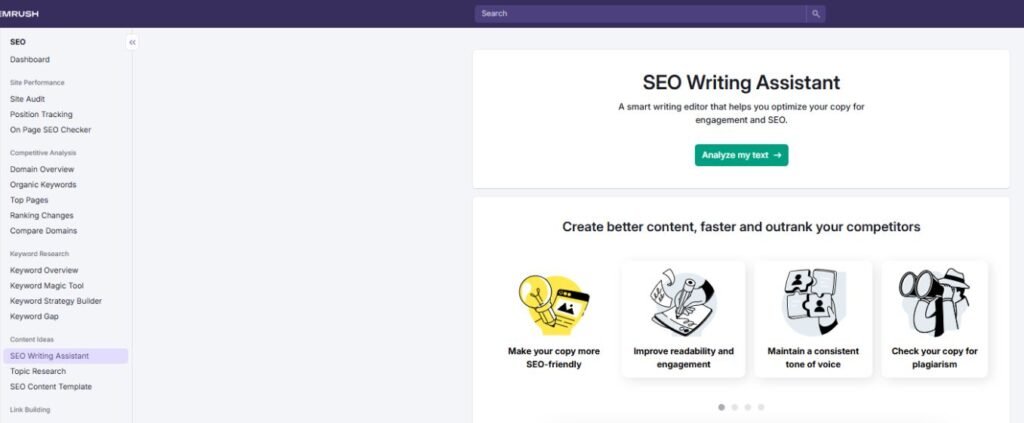
    SEMrush SEO Writing Assistant dashboard view showing features like making copy SEO-friendly, improving readability, maintaining tone, and checking for plagiarism.

    Key Strengths

    • Integrates with keyword research
    • Suggests tone, readability and structure changes
    • Helps build briefs with data backed topics
    • Provides strong competitive analysis data

    Best For

    Marketers who want a single platform for research, content planning and writing support.

    3. Ahrefs AI Content & Keyword Tools

    Ahrefs AI is a widely trusted tool for backlink data and keyword difficulty scores and for the obvious reasons we have kept it in our AI SEO Tools list.

    Their AI features combine Ahrefs’ dataset with generative text support.

    Ahrefs users often rely on the platform for content gap analysis, which the AI now summarizes more clearly.

    Ahrefs AI homepage with the text "Ahrefs—your marketing tasks, on autopilot." and a sign-up button. AI SEO Tools.

    Key Strengths

    • High quality backlink analysis
    • Accurate keyword difficulty scoring
    • AI summaries of ranking patterns
    • Topic clustering features for 2026

    Best For

    Advanced users who prefer deep keyword and competitor analysis backed by strong data accuracy.

    4. Jasper SEO Mode

    Jasper keeps expanding its user community, especially among brands that publish a high volume of material.

    With its SEO Mode, writers can develop content inside the platform while receiving guidance shaped by data from leading AI SEO Tools.

    Key Strengths

    • Strong AI content generation
    • Keyword suggestions sourced from reliable SEO partners
    • Templates for blogs, product pages and guides
    • Smooth workflow for teams with large content calendars

    Best For

    Brands with heavy content demands that want clear writing support powered by AI.

    5. Frase AI

    Frase AI focuses on deep content research and clear topic grouping. It studies search results, spots recurring themes and builds detailed outlines that help guide writing.

    Many creators who work with AI SEO Tools value the way Frase points out intent patterns that appear across ranking pages.

    Frase AI Content Optimization Platform homepage promising to create content that ranks #1 on Google 10x faster and gets cited by AI search engines.

    Key Strengths

    • Strong outline builder
    • Clear topic clustering
    • Real time SERP analysis
    • Content scoring based on ranking pages

    Best For

    Writers who want structured outlines with tight alignment to search intent.

    6. WriterZen AI Suite

    WriterZen has gained strong traction with small and mid-sized companies.

    Its features support keyword clustering, topic discovery and content creation workflows.

    Many teams find it appealing because it connects well with other AI SEO Tools, offers a clear interface and comes with pricing that fits tighter budgets.

    Key Strengths

    • Large keyword database
    • Fast clustering tools
    • Opportunity scoring for topics
    • Helpful for bulk content research

    Best For

    Startups, bloggers and small teams building topic authority in competitive niches.

    7. SEO.ai

    SEO.ai provides powerful AI supported writing assistance. It reviews top ranking pages, studies intent patterns and produces drafts that align with what searchers expect to find.

    Its keyword discovery features are gaining attention among writers who want cleaner, more focused topic lists, especially those comparing different AI SEO Tools for content planning.

    SEO.AI homepage featuring 'Dave' as an AI teammate that plans, produces, and publishes SEO content on your website.

    Key Strengths

    • Fast AI writing
    • Clear keyword grouping
    • Intent based topic suggestions
    • Performance tracking for articles

    Best For

    Writers who want fast drafts guided by SERP data.

    8. Alli AI for Technical SEO

    Alli AI works as one of the practical AI SEO Tools for handling technical tasks.

    It reviews site elements, suggests code updates and supports wide batch edits.

    The system connects with major CMS platforms and can apply approved changes on its own, which helps teams maintain site health with less manual work.

    Key Strengths

    • Technical SEO automation
    • Real time fix suggestions
    • Bulk publishing support
    • Useful for large websites with frequent updates

    Best For

    Websites with hundreds or thousands of pages that need consistent technical upkeep.

    9. NeuralText

    NeuralText blends keyword research, content drafting support and topic clustering in a way that suits both new and experienced marketers.

    Many teams rely on it for quick topic ideas and well structured outlines.

    Its keyword grouping system works especially well for niche subjects, which makes it a helpful part of any collection of AI SEO Tools used for content planning.

    Key Strengths

    • Keyword clustering engine
    • Content brief generator
    • AI writing support
    • Useful for long tail keyword planning

    Best For

    Writers who focus on niche sites or long tail content strategies.

    10. MarketMuse AI

    MarketMuse is known for its strong approach to topic authority scoring.

    Many enterprise content teams rely on it because it reviews your site, uncovers topic gaps and assigns scores that show the depth of your authority.

    Within the world of AI SEO Tools, MarketMuse remains a trusted choice for teams that want clearer direction across large content libraries.

    Key Strengths

    • Topic authority scoring
    • AI writing suggestions
    • Strong content inventory analysis
    • Priority scoring for topics

    Best For

    Large teams building topical authority across many categories.

    Comparison: Generative AI for SEO in 2026

    The table below summarizes how these tools differ in purpose, data use and recommended user type.

    ToolStrengthBest User Type
    Surfer AIContent scoringBlog writers
    SEMrush AICombined research and writingMarketers
    Ahrefs AIBacklink and keyword accuracyAnalysts
    JasperHigh volume content creationBrands
    FraseOutline and SERP researchWriters
    WriterZenKeyword clustersBloggers
    SEO.aiFast AI draftsContent teams
    Alli AITechnical fixesDevelopers
    NeuralTextLong tail clustersNiche creators
    MarketMuseTopic authority scoringEnterprise teams

    Future of AI SEO Tools

    AI continues to influence how teams build, assess and manage content.

    Several developments are becoming more visible in 2026 and the years that follow. 

    These include stronger intent based analysis, more accurate predictions of ranking shifts, and SERP reviews tailored to audience behavior. 

    Many AI SEO Tools now help create clearer topic authority scores and connect more closely with content planning systems. 

    Voice search support is growing, editorial quality checks are improving, and user satisfaction signals are gaining more weight across search platforms.

    Writers still shape direction, clarity and narrative strength. AI SEO Tools work alongside them by handling time consuming research and data review. 

    The future depends on a workflow where human judgment and machine assistance work together with steady consistency.

    FAQs

    1. What is the primary role of AI in SEO?

    AI helps analyze data, identify patterns, support content creation and highlight ranking opportunities with greater speed than manual work.

    2. Are AI generated articles good for rankings?

    AI generated drafts can help writers save time, but human editing and expertise are still needed. Search engines reward clarity, accuracy and trust.

    3. Can AI tools replace SEO experts?

    AI can support research and technical tasks, but experts still provide judgment, creativity and context.

    4. Are AI tools safe to use for link building?

    Yes, as long as they are used responsibly. AI should assist with research, not create spam tactics.

    5. Which AI SEO tool is the strongest for technical audits?

    Alli AI is widely used for automation focused fixes, while Ahrefs provides deep technical data.

    6. Do AI tools help with voice search optimization?

    Yes, many AI platforms analyze conversational search patterns which help writers craft natural sounding answers.


  • AI SEO Guide: How to Rank Faster With Smart Optimization?

    AI SEO Guide: How to Rank Faster With Smart Optimization?

    AI SEO is rapidly reshaping how websites grow their search visibility.

    Brands, creators and businesses who once spent months researching keywords, adjusting content, and tracking ranking signals can now move faster with machine learning tools that support every stage of organic growth.

    The challenge is learning how to use these tools with accuracy, clarity and confidence while still maintaining a human standard of writing that satisfies modern search systems.

    This guide explains how AI SEO works, why it matters for ranking speed, and how you can apply practical methods used by high performing websites.

    The focus here is real improvement, not shortcuts or automation tricks.

    Search engines continue to prioritize helpful content, and AI becomes powerful only when paired with genuine experience, clarity and trustworthy information.

    Below you will find a structured walkthrough designed for featured snippets, question based searches, and long term topical strength.

    What Is AI SEO?

    AI SEO refers to the use of artificial intelligence tools to create, analyze and refine content that aligns with ranking signals used by search engines.

    These systems process patterns faster than humans can.

    They review search behavior, compare phrasing trends, detect topic gaps, and study thousands of results at once.

    Humans, on the other hand, excel at real experience, depth and clarity.

    When the two are combined, content gains higher search value and stronger trust.

    A person sitting at a desk and typing on a laptop, viewing the ChatGPT interface on the screen, representing ai seo

    The need for AI SEO has grown for two reasons:

    First, search engines now reward writing that answers questions directly and with visible expertise.

    Second, content growth has accelerated across industries, increasing competition for almost every keyword.

    AI supports faster ranking by reducing research time and revealing content angles that humans might overlook.

    When these insights are shaped by strong writing, the outcome is content that stands out for its clarity and usefulness.

    How AI SEO Strengthens Your Content Quality?

    Search engines evaluate content through several quality signals.

    These signals shape what appears on the first page and what earns featured snippets.

    AI tools help refine each of these signals by processing large data patterns, but the human writer guides direction, tone and accuracy.

    Below are the core areas where AI SEO adds value.

    A. Topic Understanding at Scale

    AI systems can read hundreds of pages around a topic and summarize how searchers ask their questions.

    This helps writers understand the depth required to stand out. A single keyword often carries multiple layers of meaning.

    Without AI, identifying all related questions can take hours. With AI SEO, clusters of intent form within seconds.

    For example, a query like AI SEO branches into:

    • How AI tools support keyword research
    • How AI assists content updates
    • How AI analyzes user behavior
    • How AI identifies ranking opportunities
    • How AI shapes on-page refinement

    This full spectrum view supports more complete and helpful content.

    B. Patterns in High Ranking Content

    AI can scan the top pages for any keyword and reveal shared traits, such as:

    • Sentence rhythm
    • Heading variation
    • Level of specificity
    • Use of examples or practical steps
    • Keyword distribution
    • User intent coverage

    This forms a model of what readers expect. Writers then apply that structure while adding unique experience that builds trust.

    C. Detection of Content Gaps

    Most pages fail to rank not because of poor writing but because they miss smaller details that search systems consider valuable.

    AI tools spot gaps such as:

    • Missing subtopics
    • Weak supporting questions
    • Lack of contrast between related ideas
    • Insufficient real experience
    • Abrupt transitions
    • Missing definitions for terms that beginners seek

    Addressing these gaps boosts search clarity and relevance.

    D. Stronger Alignment with Search Intent

    AI helps writers match content with the intent behind each keyword.

    Someone searching AI SEO tools expects lists and features.

    Someone searching how AI helps SEO expects explanations.

    Someone searching AI SEO case study expects practical results.

    AI tools detect the hidden structure inside these intent variations.

    The writer then shapes the content with a natural rhythm that fits the reader’s expectations.

    Also Read: How AI Language Models Source Content?

    How to Use AI SEO Tools for Faster Keyword Research?

    Strong keyword research lays the foundation for any page that aims to rank faster.

    While traditional research tools still matter, AI adds deeper context and reveals new angles.

    Below are methods to support high quality research without slipping into over-automation.

    A. Start with User Questions

    Search engines increasingly highlight pages that answer direct questions.

    AI models can analyze thousands of searches and reveal which questions appear frequently, such as:

    • What is AI SEO?
    • How does AI help ranking?
    • Are AI SEO tools accurate?
    • How do AI systems read content
    • How does AI improve technical performance?

    A search bar with a magnifying glass icon and the text "User Questions" typed inside, representing search queries.

    These questions often feed featured snippets and People Also Ask sections.

    B. Build Keyword Clusters with Intent Groups

    AI tools categorize related keywords into task based clusters.

    For example, AI SEO may connect with:

    • SEO automation
    • machine learning content tools
    • question based content structure
    • search visibility improvement
    • content scoring analysis
    • ranking prediction models

    These clusters help writers create pages that maintain topical depth. The more complete the topic, the greater the potential for ranking.

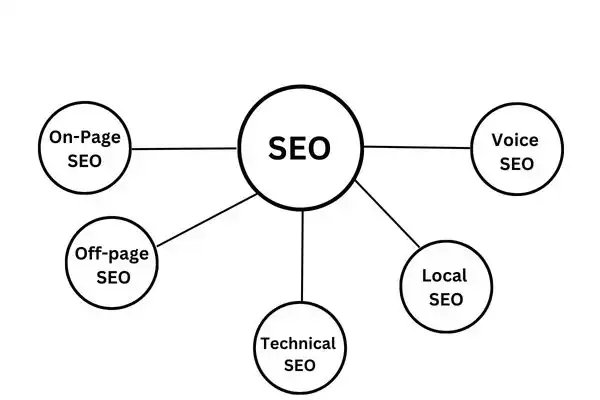
    A diagram showing a central circle labeled "SEO" connected by lines to five surrounding circles labeled "On-Page SEO", "Off-page SEO", "Technical SEO", "Local SEO", and "Voice SEO", illustrating different types of SEO.

    C. Identify Low Competition Opportunities

    AI SEO tools can detect uncommon phrasing or gaps in search results. For example, long phrases like:

    • practical AI SEO examples
    • AI SEO writing steps
    • human AI hybrid content
    • real experience in AI SEO
    • AI SEO workflow guide

    These rarely have saturated competition, which speeds up ranking.

    D. Discover Keyword Variations from Real Conversations

    Large language models reveal phrasing used by real people in natural dialogue. This improves content authenticity. Phrases such as:

    • How can AI help me rank faster?
    • Which AI tools are accurate?
    • Can AI replace human SEO work?

    These conversational variations help the page appear for broader search patterns.

    How AI SEO Enhances On Page Structure for Search Engine?

    Content structure affects ranking speed because it shapes user understanding.

    AI SEO tools help refine layout, but the human writer guides the final tone and depth.

    Below are structure techniques favored by both AI models and search engines.

    A. Use Short, Clear Sections with Direct Answers

    Search engines reward clarity. AI models can predict which sentences are likely to be extracted as snippets. These sentences usually:

    • Start with a clear definition or explanation
    • Remain concise
    • Avoid filler terms
    • Stand alone without previous context

    Each section in this guide begins with a clear direct answer to support snippet probability.

    B. Use Question Based Headings

    This aligns with how users search and supports LLM SEO strategy. Examples include:

    • What is AI SEO
    • How do AI tools support keyword research
    • How does AI improve technical performance
    • How does AI assist link building

    This structure helps the page appear for long tail queries.

    C. Create Logical Step by Step Processes

    AI models detect whether a page provides helpful progression. Steps create clarity and help search engines understand content purpose.

    Example:

    • Research intent
    • Build clusters
    • Structure headings
    • Write core content
    • Validate through AI tools
    • Update based on performance

    D. Improve Readability with Plain Language

    Many AI written pages fall into complex jargon or repetitive phrasing.

    This weakens trust. Plain language builds authority.

    Readers stay longer, and search systems pick up this engagement pattern as a strength signal.

    How AI SEO Improves Technical Performance?

    Technical factors influence how fast a page ranks because they shape how search engines read and interpret content.

    AI tools help detect issues early so writers and site owners can fix them before publishing.

    A. Page Speed Checks

    AI systems can analyze loading time and highlight issues related to:

    • oversized media
    • inefficient scripts
    • poor caching
    • layout shifts

    Faster pages gain quicker indexing and stronger user engagement.

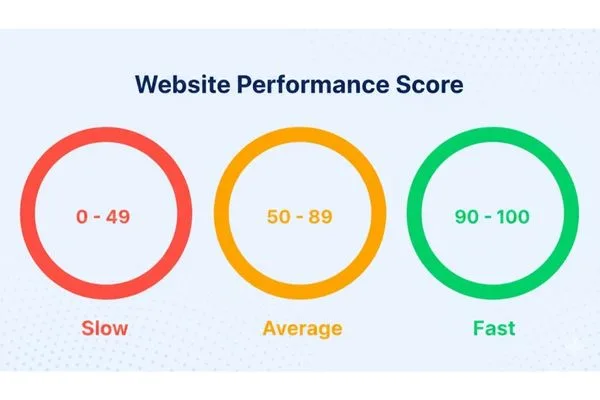
    A graphic showing a "Website Performance Score" with three colored rings: Red (0-49) labeled "Slow", Orange (50-89) labeled "Average", and Green (90-100) labeled "Fast".

    B. Indexing Pattern Analysis

    AI SEO tools review how search engines crawl similar pages. They help site owners adjust:

    • URL patterns
    • internal links
    • content organization
    • sitemap structure

    This reduces delays in ranking.

    C. Content Freshness Monitoring

    Search engines look for current information. AI tools can track industry shifts and flag old sections that require updates.

    D. Structured Data Assistance

    AI tools can recommend appropriate schema types. This improves clarity for search engines, helping pages appear in rich results.

    How AI SEO Shapes Off Page Signals?

    Off page signals remain essential for ranking growth. AI tools strengthen these signals by supporting smarter decisions without resorting to spam or shortcuts.

    A. Identifying Relevant Link Sources

    AI systems recognize patterns in link quality. They can classify potential websites based on:

    • topical relevance
    • authority indicators
    • audience match
    • historic consistency

    This protects websites from harmful links.

    B. Analyzing Brand Mentions

    AI tools detect where a brand appears across the web and whether the context matches brand values. This helps strengthen context signals used by search engines.

    C. Improving Digital PR Content

    Drafting high quality editorial content becomes easier with AI assistance. Writers can use AI to:

    • gather statistics
    • structure press releases
    • support story angles
    • refine clarity

    Human expertise then shapes the final narrative.

    The Human Role in AI SEO: Why E.E.A.T Still Matters?

    AI generated content alone does not guarantee ranking. Experience, expertise, authority and trust (E.E.A.T) remain central.

    Search engines evaluate human signals that AI cannot fabricate consistently.

    A. Real Experience

    Writers who speak from real situations add credibility. Describing:

    • workflows used
    • challenges faced
    • results observed
    • mistakes avoided

    These elements help readers connect with the content.

    B. Expertise in Interpretation

    AI can gather data but humans interpret meaning. Readers depend on expert interpretation to make decisions.

    C. Authority Through Consistency

    Publishing a helpful volume of content around a topic builds authority. AI accelerates this, but human oversight preserves quality.

    D. Trust Through Transparency

    Clear explanations, simple language and practical examples build trust with readers.

    Step by Step AI SEO Workflow for Faster Ranking

    Below is a practical workflow that businesses, writers and marketers can follow.

    Step 1: Analyze Search Intent

    Use AI tools to identify user questions and reason for searching.

    Step 2: Build Keyword Clusters

    Organize related terms into topic groups that form a complete page.

    Step 3: Create Your Outline with Question Based Sections

    Creating an outline that is question based will helps both users and search engines understand the structure.

    Step 4: Write the Core Content in Human Tone

    AI can assist with phrasing, but the writer adds stories, clarity and experience.

    Step 5: Validate Content with AI Scoring Tools

    Check readability, missing subtopics and ranking signals.

    Step 6: Add Structured Data

    Use schema to improve visibility.

    Step 7: Publish and Monitor

    AI SEO tools can monitor ranking changes and spotting patterns that require adjustments.

    Step 8: Refresh Content

    AI tools can detect outdated sections and help rewrite them.

    Common Mistakes to Avoid with AI SEO

    These mistakes slow down ranking instead of helping it.

    A. Relying Entirely on AI Generated Text

    This leads to generic content that lacks depth and real human perspective.

    B. Overstuffing Keywords

    AI tools may suggest too many variations. Writers must control placement for clarity.

    C. Publishing Without Technical Review

    Content that loads slowly or lacks structure risks losing visibility.

    D. Ignoring User Behavior Signals

    AI tools track engagement. High bounce rates signal poor content alignment.

    E. Producing Content Too Quickly

    Quality still matters. Rushing can weaken trust.

    Future Outlook for AI SEO

    AI will continue shaping SEO, but human expertise will remain the core.

    Search engines expect content that reflects true understanding.

    AI tools will offer deeper analysis and predictive ranking features, helping writers refine pages with higher accuracy.

    The hybrid model will continue: AI handles scale and pattern recognition while humans guide originality and meaning.

    Frequently Asked Questions

    1. What is AI SEO?

    AI SEO refers to the use of artificial intelligence tools to analyze, create and refine content with the goal of improving search visibility and ranking speed.

    2. Can AI help a website rank faster?

    AI helps identify keyword patterns, content gaps and user expectations faster than manual research. This supports quicker content creation and more accurate alignment with ranking signals.

    3. Does AI replace human writers in SEO?

    No. AI supports writers by providing data and structure, but readers rely on human experience and clarity to make decisions

    4. Are AI SEO tools safe to use?

    Yes, when used responsibly. Avoid automated publishing. Use AI for research and refinement, not full content replacement.

    5. How do I use AI to improve page structure?

    Use AI tools to detect missing subtopics, question variations and snippets that benefit from clearer phrasing.

    6. Does AI help with technical SEO?

    AI helps identify loading issues, indexing patterns and structured data improvements.